THE ADVENTURE COLLECTIVE® · Independent discovery and booking for outdoor travel

A full-day, citywide tour that traces Lisbon’s street-art revival—from large outdoor galleries in Quinta do Mocho to secret backstreets in Mouraria. Expect murals by Vhils, Bordalo II, Pichiavo and Eduardo Kobra, plus local stories about art, community and the Tagus-fed light that makes these walls sing.
A full-day, citywide tour that traces Lisbon’s street-art revival—from large outdoor galleries in Quinta do Mocho to secret backstreets in Mouraria. Expect murals by Vhils, Bordalo II, Pichiavo and Eduardo Kobra, plus local stories about art, community and the Tagus-fed light that makes these walls sing.
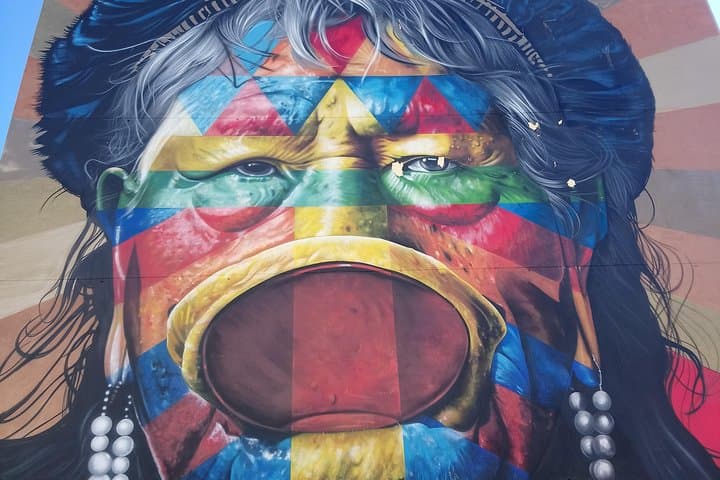
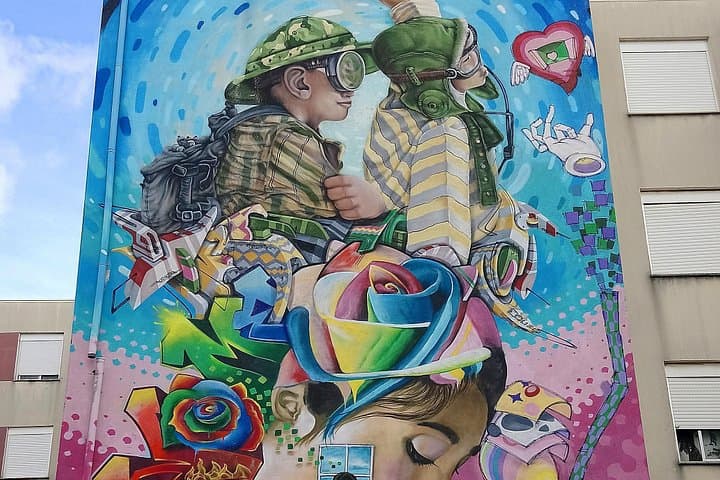
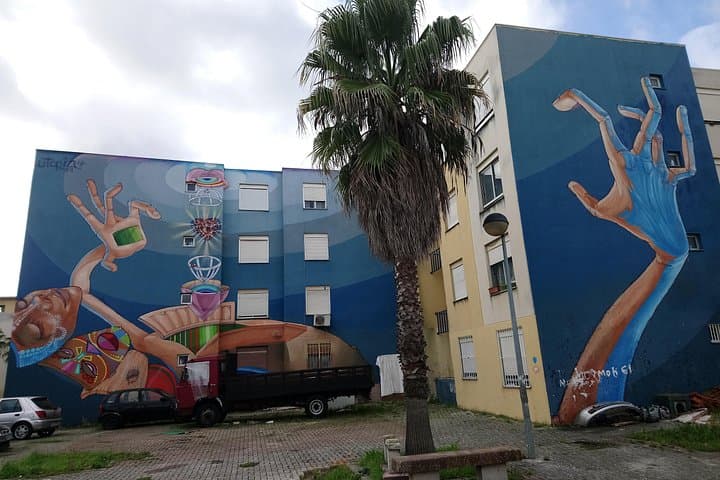
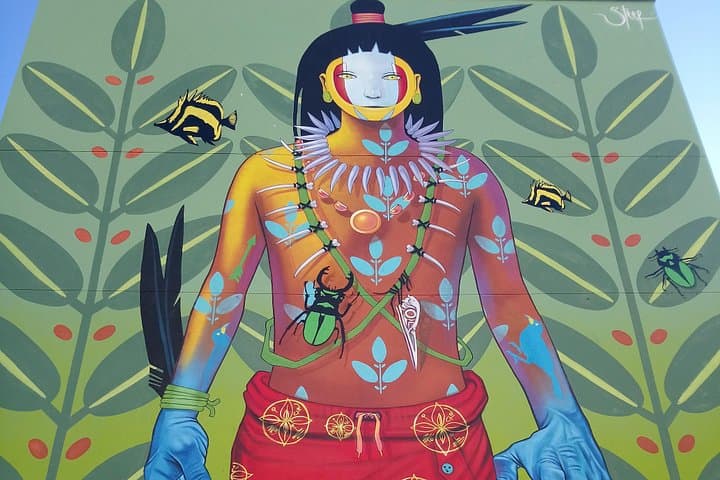
You step off the tram and the city opens like a color-splashed map—mural faces watching from tile-clad corners, a whale of woven trash by Bordalo II towering above an industrial yard, and narrow alleys where Vhils’ carved portraits peer through sun-worn plaster.
Verified experiences and guided adventures in the surrounding area.
Operated by Street Buddha · Lisbon, Lisbon
You step off the tram and the city opens like a color-splashed map—mural faces watching from tile-clad corners, a whale of woven trash by Bordalo II towering above an industrial yard, and narrow alleys where Vhils’ carved portraits peer through sun-worn plaster.
Lisbon sits on seven hills above the Tagus estuary; its rough, sun-baked facades and sudden viewpoints have become canvases. The city's street-art scene grew in the 2000s alongside neighborhood revitalization, and today artists from local crews to international names—Vhils, Bordalo II, Pichiavo, Eduardo Kobra—have left large-scale works across Mouraria, Alfama, Marvila, Quinta do Mocho and Padre Cruz.
Geology and urban fabric matter here: tufa and limestone walls hold paint differently than newer concrete, and the Tagus’ salty air gives murals a short, sharp life that municipal projects and community workshops try to extend. You’ll pass both sanctioned gallery walls and guerrilla pieces—each with different stories about gentrification, memory and public space.
Practically: this is an eight-hour, mostly vehicle-supported tour with walking stops (short climbs and cobbled streets). Expect lots of photo opportunities, intermittent shade, and sudden stairs in older neighborhoods. Wear grippy shoes, bring sunscreen and a battery pack, and be ready to learn background on artists and the social context of each mural. Respect private property, avoid painting or touching works, and ask your guide about local galleries and artist-run projects if you want to follow up after the tour.
easy.
8 hours.
Suitable for most fitness levels; includes short walks, cobbled streets and occasional stair climbs—low-impact but active.
The tour lists private transportation and an air-conditioned vehicle—confirm exact pickup location with your operator when booking.
Many murals are long-term and artist-sanctioned, but some pieces are temporary or on facades scheduled for renovation—your guide will point out permanency and recent works.
The experience is presented as suitable for all fitness levels, but older neighborhoods have steep streets and cobbles that may challenge wheelchairs—check accessibility options before booking.
Guides often know nearby galleries and artist-run projects where prints and merchandise are sold; artist meet-and-greets depend on scheduling and are not guaranteed.
Lisbon’s public-art boom accelerated after the 2000s as municipal projects and festivals brought international artists to work alongside local crews, transforming former industrial zones and social housing into open-air galleries.
Many murals face rapid weathering from Tagus salt air and sun; local NGOs and artists run maintenance days and community projects—respecting artworks and supporting local galleries helps sustain the scene.
Street Buddha operates guided outdoor trips and adventures with an emphasis on safety, stewardship, and memorable experiences.
You step off the tram and the city opens like a color-splashed map—mural faces watching from tile-clad corners, a whale of woven trash by Bordalo II towering above an industrial yard, and narrow alleys where Vhils’ carved portraits peer through sun-worn plaster.
You step off the tram and the city opens like a color-splashed map—mural faces watching from tile-clad corners, a whale of woven trash by Bordalo II towering above an industrial yard, and narrow alleys where Vhils’ carved portraits peer through sun-worn plaster.
Lisbon sits on seven hills above the Tagus estuary; its rough, sun-baked facades and sudden viewpoints have become canvases. The city's street-art scene grew in the 2000s alongside neighborhood revitalization, and today artists from local crews to international names—Vhils, Bordalo II, Pichiavo, Eduardo Kobra—have left large-scale works across Mouraria, Alfama, Marvila, Quinta do Mocho and Padre Cruz.
Geology and urban fabric matter here: tufa and limestone walls hold paint differently than newer concrete, and the Tagus’ salty air gives murals a short, sharp life that municipal projects and community workshops try to extend. You’ll pass both sanctioned gallery walls and guerrilla pieces—each with different stories about gentrification, memory and public space.
Practically: this is an eight-hour, mostly vehicle-supported tour with walking stops (short climbs and cobbled streets). Expect lots of photo opportunities, intermittent shade, and sudden stairs in older neighborhoods. Wear grippy shoes, bring sunscreen and a battery pack, and be ready to learn background on artists and the social context of each mural. Respect private property, avoid painting or touching works, and ask your guide about local galleries and artist-run projects if you want to follow up after the tour.