THE ADVENTURE COLLECTIVE® · Independent discovery and booking for outdoor travel

A compact, private seven-day loop from Beirut that weaves limestone caves, cedar groves, Roman temples and Bekaa wineries into one itinerary. Ideal for travelers who want deep cultural context with comfortable transport and daily guided tours.
A compact, private seven-day loop from Beirut that weaves limestone caves, cedar groves, Roman temples and Bekaa wineries into one itinerary. Ideal for travelers who want deep cultural context with comfortable transport and daily guided tours.
You step out of Beirut's airport into a warm, Mediterranean light; the city hums, the sea pulls at the edge of your vision, and a driver waits with your name. Over seven days this private loop stitches the coastline, mountains and Bekaa Valley into a compact portrait of Lebanon: grottoes and cable cars, cedar groves that have watched empires pass, and Roman stones that still carry the weight of worship.
Verified experiences and guided adventures in the surrounding area.
Operated by Walking Beirut · Beirut, Beirut
You step out of Beirut's airport into a warm, Mediterranean light; the city hums, the sea pulls at the edge of your vision, and a driver waits with your name. Over seven days this private loop stitches the coastline, mountains and Bekaa Valley into a compact portrait of Lebanon: grottoes and cable cars, cedar groves that have watched empires pass, and Roman stones that still carry the weight of worship.
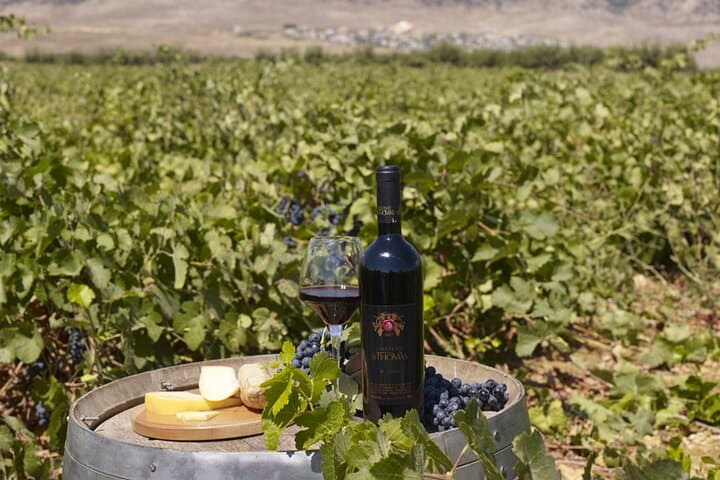
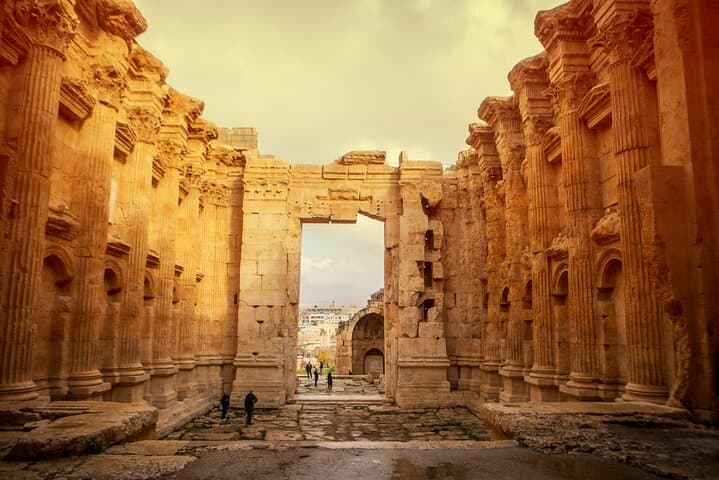
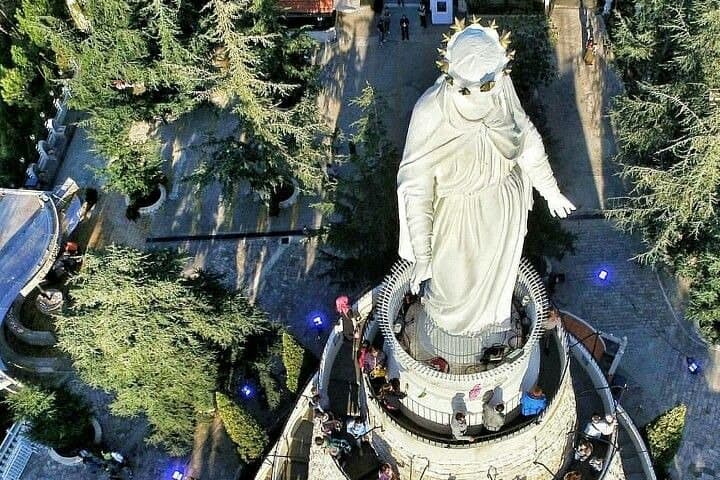
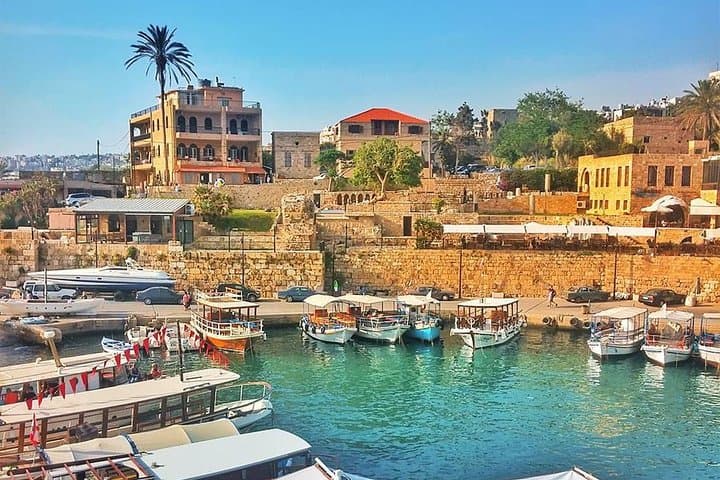
Jeita Grotto offers a cool, echoing contrast to Jounieh’s cable-car ride up to Harissa, where a bronze Madonna towers over the bay. Byblos and Tyre open the Phoenician and Roman chapters—harbors, crusader castles and an enormous hippodrome—while Baalbek’s temple complex speaks to imperial Rome and local devotion. Higher, the Cedars walk lets you feel the slow geology of limestone and the stubborn life of Cedrus libani. In the Beqaa, vineyards trace millennia of cultivated slopes; Ksara’s caves recall both Roman cellars and Ottoman trade routes.
Practical guidance: plan paced days with morning starts to beat heat and crowds; carry water and a light jacket for mountain wind and cave humidity. Expect mainly paved travel between sites with short walks at ruins and stairs in old towns. Guides handle entrance logistics and regional context, but bring sturdy shoes for uneven stone and a hat for open archaeological sites. Breakfasts are included most mornings; tip guides for local insight. This itinerary suits travelers who want cultural depth with comfortable transport—each stop invites both close inspection and the simple pleasure of standing where history still feels tangible.
moderate.
7 days.
Suitable for travelers in average fitness: mostly short walks and stairs, with vehicle transfers between sites.
No; the itinerary is designed for most fitness levels with vehicle transfers and short guided walks—expect stairs and uneven surfaces at archaeological sites.
Yes—entrance fees, six nights at different hotels and daily breakfasts are included in the package description.
As a private tour, guides commonly adjust pacing and time on site; confirm any route or accommodation changes with the operator before booking.
Pickup is from Beirut (airport or hotel) and return to Beirut at the end of day seven; round-trip airport transfers are included in the tour package.
Lebanon’s coastline and interior hosted Phoenician traders, Roman builders and Crusader defenses; sites like Byblos and Baalbek preserve layers of maritime trade and imperial cult practice.
Many archaeological sites are fragile—stay on marked paths and follow guide instructions. Water scarcity and seasonal wildfire risk make responsible water use and low-impact travel important.
Walking Beirut operates guided outdoor trips and adventures with an emphasis on safety, stewardship, and memorable experiences.
You step out of Beirut's airport into a warm, Mediterranean light; the city hums, the sea pulls at the edge of your vision, and a driver waits with your name. Over seven days this private loop stitches the coastline, mountains and Bekaa Valley into a compact portrait of Lebanon: grottoes and cable cars, cedar groves that have watched empires pass, and Roman stones that still carry the weight of worship.
You step out of Beirut's airport into a warm, Mediterranean light; the city hums, the sea pulls at the edge of your vision, and a driver waits with your name. Over seven days this private loop stitches the coastline, mountains and Bekaa Valley into a compact portrait of Lebanon: grottoes and cable cars, cedar groves that have watched empires pass, and Roman stones that still carry the weight of worship.
Jeita Grotto offers a cool, echoing contrast to Jounieh’s cable-car ride up to Harissa, where a bronze Madonna towers over the bay. Byblos and Tyre open the Phoenician and Roman chapters—harbors, crusader castles and an enormous hippodrome—while Baalbek’s temple complex speaks to imperial Rome and local devotion. Higher, the Cedars walk lets you feel the slow geology of limestone and the stubborn life of Cedrus libani. In the Beqaa, vineyards trace millennia of cultivated slopes; Ksara’s caves recall both Roman cellars and Ottoman trade routes.
Practical guidance: plan paced days with morning starts to beat heat and crowds; carry water and a light jacket for mountain wind and cave humidity. Expect mainly paved travel between sites with short walks at ruins and stairs in old towns. Guides handle entrance logistics and regional context, but bring sturdy shoes for uneven stone and a hat for open archaeological sites. Breakfasts are included most mornings; tip guides for local insight. This itinerary suits travelers who want cultural depth with comfortable transport—each stop invites both close inspection and the simple pleasure of standing where history still feels tangible.