THE ADVENTURE COLLECTIVE® · Independent discovery and booking for outdoor travel

A full-day semi-private tour from Málaga or Granada that threads mountain roads, Moorish villages and spring-fed fountains in Las Alpujarras. Expect gentle walks, cultural stops and scenic viewpoints across Lanjarón, Soportújar and Pampaneira.
A full-day semi-private tour from Málaga or Granada that threads mountain roads, Moorish villages and spring-fed fountains in Las Alpujarras. Expect gentle walks, cultural stops and scenic viewpoints across Lanjarón, Soportújar and Pampaneira.
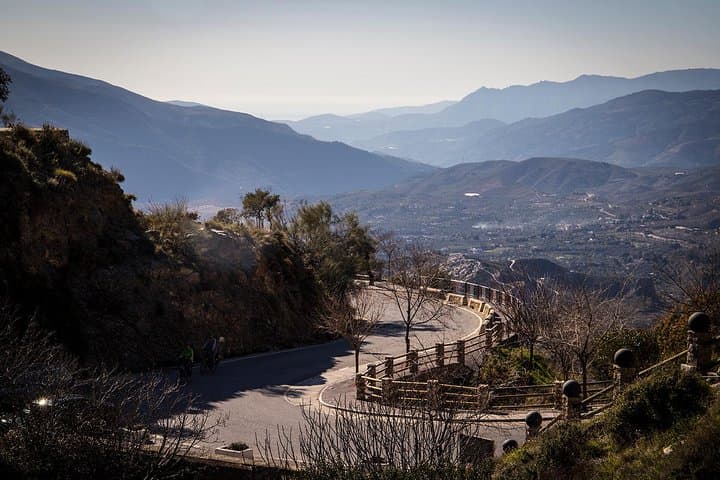
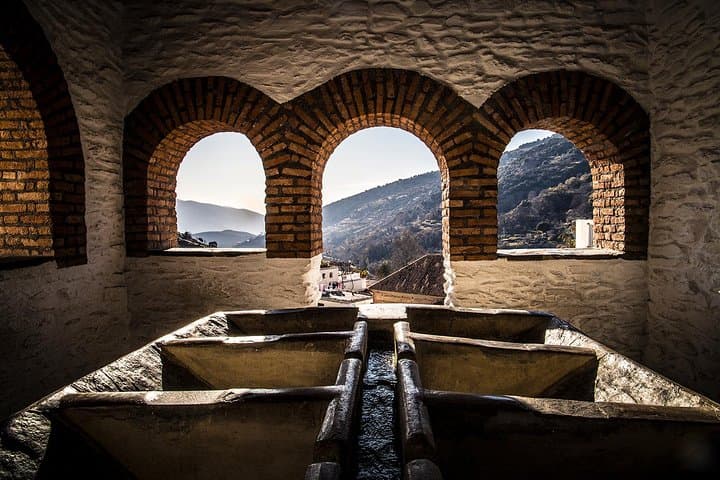
You pull away from Málaga’s coastal hum and, within an hour, the coastline loosens its grip. The road climbs into serrated ridges and terraced fields; rain-fed acequias thread the slopes like copper veins. By the time the minivan eases into Lanjarón, spring water fountains and whitewashed houses announce a different pace—stone streets that hold centuries of irrigation, trade and exile.
Verified experiences and guided adventures in the surrounding area.
Operated by Travel Factory Andalucía · Pampaneira, Andalusia
You pull away from Málaga’s coastal hum and, within an hour, the coastline loosens its grip. The road climbs into serrated ridges and terraced fields; rain-fed acequias thread the slopes like copper veins. By the time the minivan eases into Lanjarón, spring water fountains and whitewashed houses announce a different pace—stone streets that hold centuries of irrigation, trade and exile.
This is Las Alpujarras: a zone shaped by the last Nasrid emirates, by Moorish agricultural engineering and by hardy mountain peasants who reshaped steep terraces to grow crops and olives. Geology here is raw—decomposed granite, schist and old metamorphic plates folded into narrow valleys where microclimates let almond and fig trees survive at unexpected elevations.
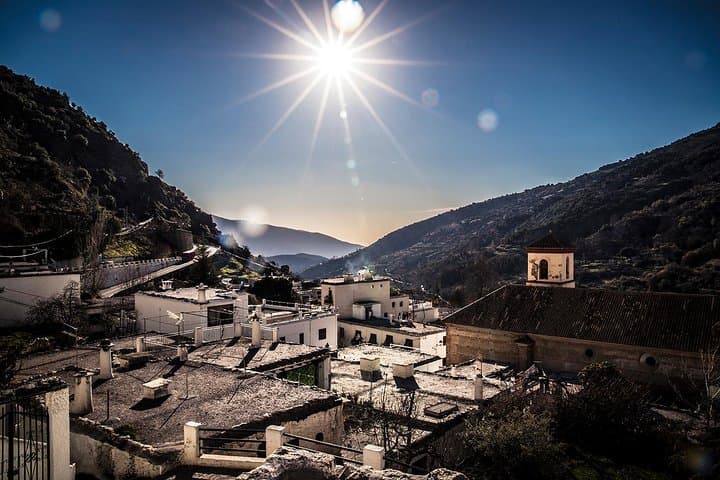
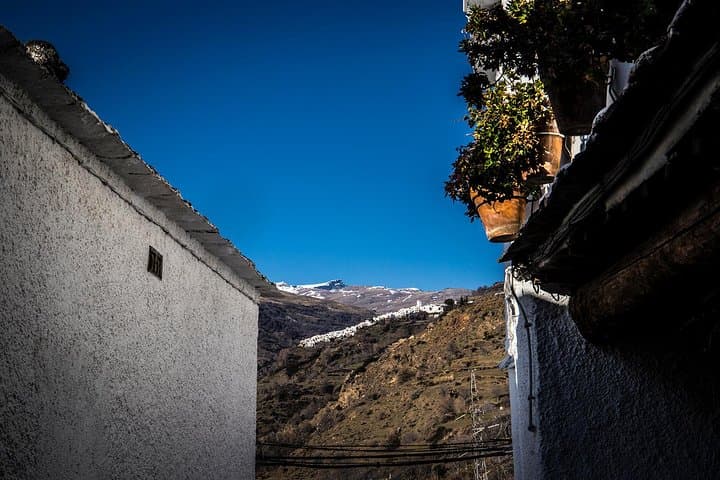
Culturally, you’ll find villages with preserved Moorish layouts—narrow alleys, flat-tiled roofs and plazas where local pottery and ham hang in plain view. Soportújar’s folklore and its “witches’ cave” speak less of the supernatural than of a living local identity that embraces legend as tourism and craft.
Practically, expect a full day (8–9 hours) of gentle walking and village visits, several short stops for views and access to cafes and public fountains. Wear sturdy shoes for cobbles and uneven lanes, carry water and a light layer, and plan for narrow, winding roads on the drive.
Guides typically include transport from Málaga or Granada and moderate pacing suitable for most fitness levels. For photographers, early light on the Poqueira Gorge highlights the stacked villages; for slow travelers, linger in Lanjarón to sample local spring water and artisanal honey.
easy.
8–9 hours.
Suitable for travelers in regular walking shape; mostly short, gentle walks between village stops.
Pickup is offered from specified meeting points in Málaga or Granada; the tour returns to the original meeting point at the end of the day.
Walking is light to moderate—short village strolls and brief viewpoints; no technical hikes are required.
Meals are generally not included; there are stops in villages where you can buy tapas or bring a packed lunch.
Yes—this itinerary is rated easy and suitable for most ages, though participants should be comfortable with short walks on uneven surfaces.
The Alpujarras were among the last refuges of Nasrid Granada; the area preserves Moorish agricultural layouts and terraces developed for irrigation.
Water is a scarce, managed resource—respect public fountains and local irrigation channels, stick to trails and support local crafts to keep tourism sustainable.
Travel Factory Andalucía operates guided outdoor trips and adventures with an emphasis on safety, stewardship, and memorable experiences.
You pull away from Málaga’s coastal hum and, within an hour, the coastline loosens its grip. The road climbs into serrated ridges and terraced fields; rain-fed acequias thread the slopes like copper veins. By the time the minivan eases into Lanjarón, spring water fountains and whitewashed houses announce a different pace—stone streets that hold centuries of irrigation, trade and exile.
You pull away from Málaga’s coastal hum and, within an hour, the coastline loosens its grip. The road climbs into serrated ridges and terraced fields; rain-fed acequias thread the slopes like copper veins. By the time the minivan eases into Lanjarón, spring water fountains and whitewashed houses announce a different pace—stone streets that hold centuries of irrigation, trade and exile.
This is Las Alpujarras: a zone shaped by the last Nasrid emirates, by Moorish agricultural engineering and by hardy mountain peasants who reshaped steep terraces to grow crops and olives. Geology here is raw—decomposed granite, schist and old metamorphic plates folded into narrow valleys where microclimates let almond and fig trees survive at unexpected elevations.
Culturally, you’ll find villages with preserved Moorish layouts—narrow alleys, flat-tiled roofs and plazas where local pottery and ham hang in plain view. Soportújar’s folklore and its “witches’ cave” speak less of the supernatural than of a living local identity that embraces legend as tourism and craft.
Practically, expect a full day (8–9 hours) of gentle walking and village visits, several short stops for views and access to cafes and public fountains. Wear sturdy shoes for cobbles and uneven lanes, carry water and a light layer, and plan for narrow, winding roads on the drive.
Guides typically include transport from Málaga or Granada and moderate pacing suitable for most fitness levels. For photographers, early light on the Poqueira Gorge highlights the stacked villages; for slow travelers, linger in Lanjarón to sample local spring water and artisanal honey.