THE ADVENTURE COLLECTIVE® · Independent discovery and booking for outdoor travel

Float over volcanic reefs and peer into kelp gardens with an expert guide on this 90‑minute snorkeling tour from Playa Blanca. Designed for families and first‑timers, the session pairs shallow, protected swims with local marine science and guide photography.
Float over volcanic reefs and peer into kelp gardens with an expert guide on this 90‑minute snorkeling tour from Playa Blanca. Designed for families and first‑timers, the session pairs shallow, protected swims with local marine science and guide photography.
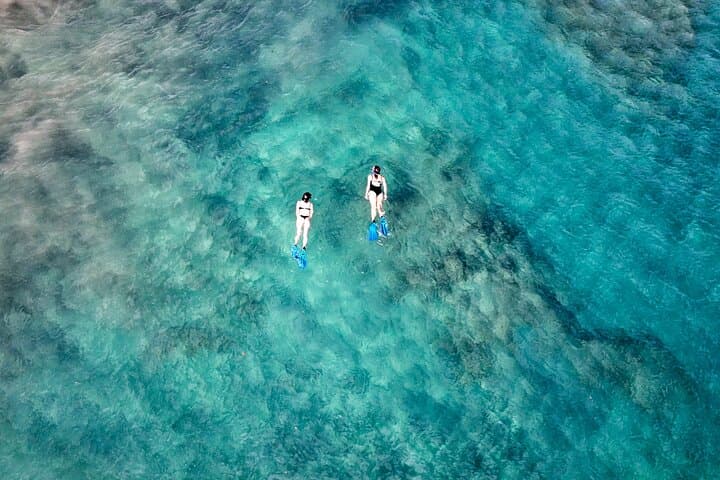
The Atlantic eases against black volcanic rock and a cluster of swimmers slips into water the color of broken glass. You step off a small, sandy shelf near Dive College Lanzarote in Playa Blanca and the surface immediately hushes—above, gulls wheel; below, fingers of light cut through kelp and sand. An instructor points to a mottled fish hiding under a rock; the group leans in, breath held and buoyant, as the guide frees dives to bring the marine life into crisp focus and snaps photos you’ll take home.
Verified experiences and guided adventures in the surrounding area.
Operated by SupToursLanzarote · Playa Blanca, Las Palmas
The Atlantic eases against black volcanic rock and a cluster of swimmers slips into water the color of broken glass. You step off a small, sandy shelf near Dive College Lanzarote in Playa Blanca and the surface immediately hushes—above, gulls wheel; below, fingers of light cut through kelp and sand. An instructor points to a mottled fish hiding under a rock; the group leans in, breath held and buoyant, as the guide frees dives to bring the marine life into crisp focus and snaps photos you’ll take home.
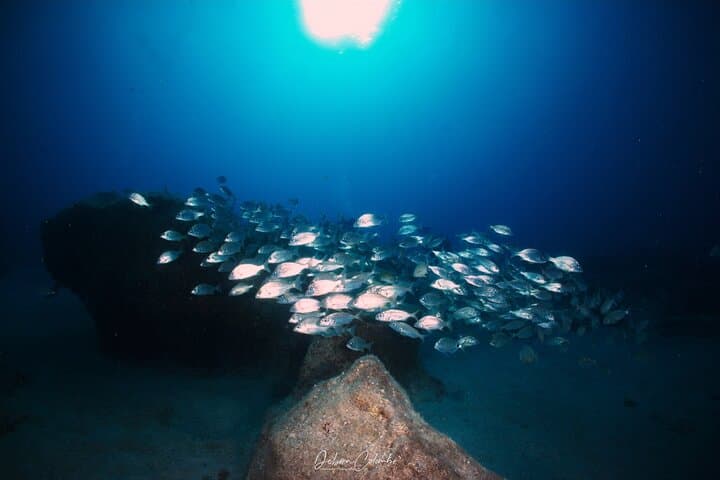
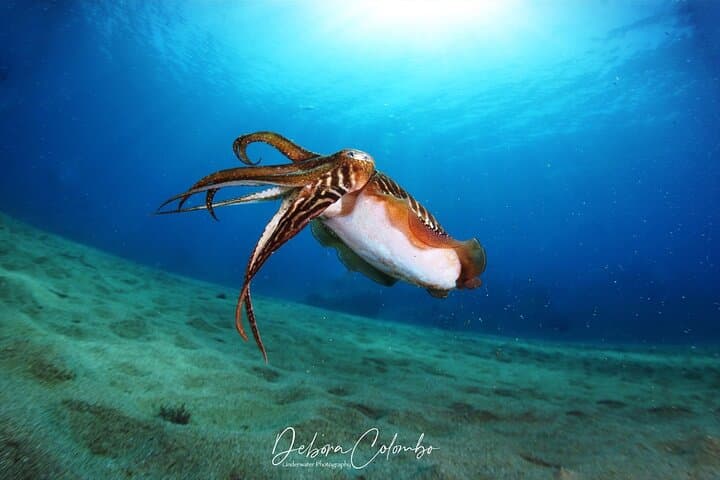
Lanzarote’s coast is a product of fire and drift—recent volcanic flows created the stark shoreline while Atlantic currents sculpted reefs and submerged boulders that now host the island’s marine communities. The Canary current brings cooler, nutrient-rich water that supports schools of damselfish, parrotfish, and occasional octopus. Local guides here—many trained in dive safety and marine biology—have spent decades cataloguing the coastal species and teaching respectful interaction: look, don’t touch.
Playa Blanca itself was a fishing village turned low-key resort; the promenade still carries the rhythm of early-morning fish auctions and weekend market stalls selling fresh catch. The snorkeling zones are close to shore, which makes this a good first ocean outing for families or nervous swimmers; meeting and pickup happen at the Dive College, a short walk from the Rubicon Marina.
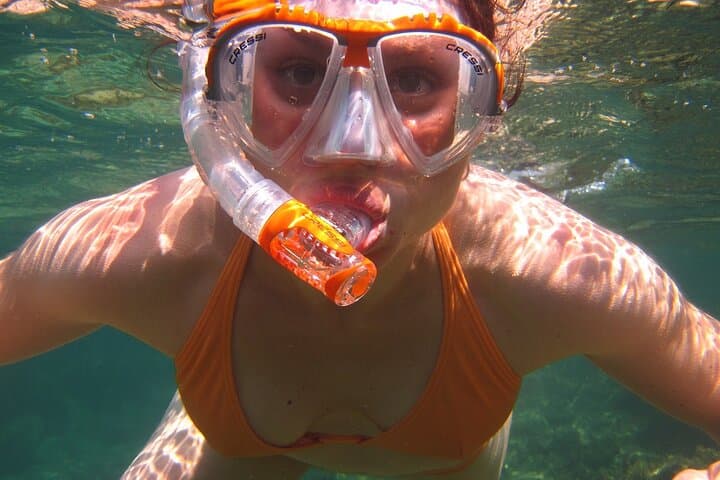
Practicalities: the experience runs about 90 minutes, with a brief shore-side orientation covering gear, breathing techniques, and a primer on local species and conservation etiquette. Expect to be in water typically 1–6 meters deep and to move along a shallow coastal reef for a few hundred meters; currents are usually mild but guides adjust the route to conditions. Equipment—mask, snorkel, fins, and flotation devices—is provided; the operator offers pick-up service in Playa Blanca and asks guests to be ready 10 minutes before departure.
For comfort and safety, bring reef-safe sunscreen, a towel, and a light shorty wetsuit if you’re sensitive to cool water (water temps often sit between 18–23°C). The activity is rated easy and accessible—wheelchair users and families with strollers can join, though mobility to the immediate shoreline may vary by spot. Children 6 and up are welcome; those with cardiovascular concerns should consult a doctor.
Beyond the immediate thrill of close-up marine encounters, this is an educational swim: guides hand out illustrated species lists and explain the fragile balance between fishing, tourism, and reef health. Leave only bubbles—no nets, no touching—and you’ll come away with photographs, a better understanding of Macaronesian marine life, and a clean, invigorating memory of Lanzarote’s raw coast.
easy.
1–1.5 hours.
Light cardiovascular fitness—able to swim and tread water for short periods; suitable for families with children 6+
Children aged 6 and over can participate; guides assess each child’s swimming ability during the briefing.
No—this tour includes a shore briefing on techniques and safety, making it suitable for beginners.
Typical snorkeling depth is 1–6 meters along shallow reefs; guides choose routes to match group comfort and conditions.
Yes—guides take photos and include at least one image of each participant as part of the tour inclusions.
Pickup is offered only within Playa Blanca; guests should be ready 10 minutes before the scheduled departure time.
The activity is wheelchair accessible for parts of the operation, but final shoreline access may require assistance—contact the operator to arrange support.
Playa Blanca evolved from a modest fishing settlement; the Rubicon Marina area has long been a landing and trading point that shaped local maritime culture.
Operators emphasize no‑touch interaction and use illustrated species guides to educate visitors; limiting group size helps reduce pressure on shallow reefs.
SupToursLanzarote operates guided outdoor trips and adventures with an emphasis on safety, stewardship, and memorable experiences.
The Atlantic eases against black volcanic rock and a cluster of swimmers slips into water the color of broken glass. You step off a small, sandy shelf near Dive College Lanzarote in Playa Blanca and the surface immediately hushes—above, gulls wheel; below, fingers of light cut through kelp and sand. An instructor points to a mottled fish hiding under a rock; the group leans in, breath held and buoyant, as the guide frees dives to bring the marine life into crisp focus and snaps photos you’ll take home.
The Atlantic eases against black volcanic rock and a cluster of swimmers slips into water the color of broken glass. You step off a small, sandy shelf near Dive College Lanzarote in Playa Blanca and the surface immediately hushes—above, gulls wheel; below, fingers of light cut through kelp and sand. An instructor points to a mottled fish hiding under a rock; the group leans in, breath held and buoyant, as the guide frees dives to bring the marine life into crisp focus and snaps photos you’ll take home.
Lanzarote’s coast is a product of fire and drift—recent volcanic flows created the stark shoreline while Atlantic currents sculpted reefs and submerged boulders that now host the island’s marine communities. The Canary current brings cooler, nutrient-rich water that supports schools of damselfish, parrotfish, and occasional octopus. Local guides here—many trained in dive safety and marine biology—have spent decades cataloguing the coastal species and teaching respectful interaction: look, don’t touch.
Playa Blanca itself was a fishing village turned low-key resort; the promenade still carries the rhythm of early-morning fish auctions and weekend market stalls selling fresh catch. The snorkeling zones are close to shore, which makes this a good first ocean outing for families or nervous swimmers; meeting and pickup happen at the Dive College, a short walk from the Rubicon Marina.
Practicalities: the experience runs about 90 minutes, with a brief shore-side orientation covering gear, breathing techniques, and a primer on local species and conservation etiquette. Expect to be in water typically 1–6 meters deep and to move along a shallow coastal reef for a few hundred meters; currents are usually mild but guides adjust the route to conditions. Equipment—mask, snorkel, fins, and flotation devices—is provided; the operator offers pick-up service in Playa Blanca and asks guests to be ready 10 minutes before departure.
For comfort and safety, bring reef-safe sunscreen, a towel, and a light shorty wetsuit if you’re sensitive to cool water (water temps often sit between 18–23°C). The activity is rated easy and accessible—wheelchair users and families with strollers can join, though mobility to the immediate shoreline may vary by spot. Children 6 and up are welcome; those with cardiovascular concerns should consult a doctor.
Beyond the immediate thrill of close-up marine encounters, this is an educational swim: guides hand out illustrated species lists and explain the fragile balance between fishing, tourism, and reef health. Leave only bubbles—no nets, no touching—and you’ll come away with photographs, a better understanding of Macaronesian marine life, and a clean, invigorating memory of Lanzarote’s raw coast.