THE ADVENTURE COLLECTIVE® · Independent discovery and booking for outdoor travel

A private half-day that pairs La Paz’s vivid street life with high-altitude panoramas—ride the cable cars, learn Aymara traditions at the Witches' Market and Coca Museum, then descend into the otherworldly Valley of the Moon.
A private half-day that pairs La Paz’s vivid street life with high-altitude panoramas—ride the cable cars, learn Aymara traditions at the Witches' Market and Coca Museum, then descend into the otherworldly Valley of the Moon.
You step out into a thin, cold light and La Paz spreads below like a living map—staircases and rooftops stacked against the bowl of the valley, cable cars tracing bright lines overhead.
Verified experiences and guided adventures in the surrounding area.
Operated by INTI WALKERS · La Paz, La Paz
You step out into a thin, cold light and La Paz spreads below like a living map—staircases and rooftops stacked against the bowl of the valley, cable cars tracing bright lines overhead.
The tour moves fast: the Witches' Market first, where Aymara and Quechua traditions are visible in bundles of herbs, dried llama fetuses and ritual paraphernalia. From there, the Coca Museum reframes a controversial plant as an ancestral medicine with centuries of ritual use. A short walk brings you to Plaza Murillo, the political center where Bolivia's history is written into stately façades and guarded squares.
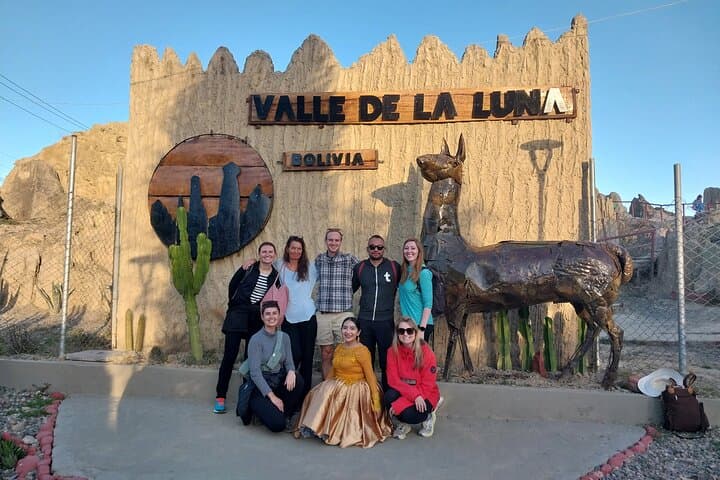
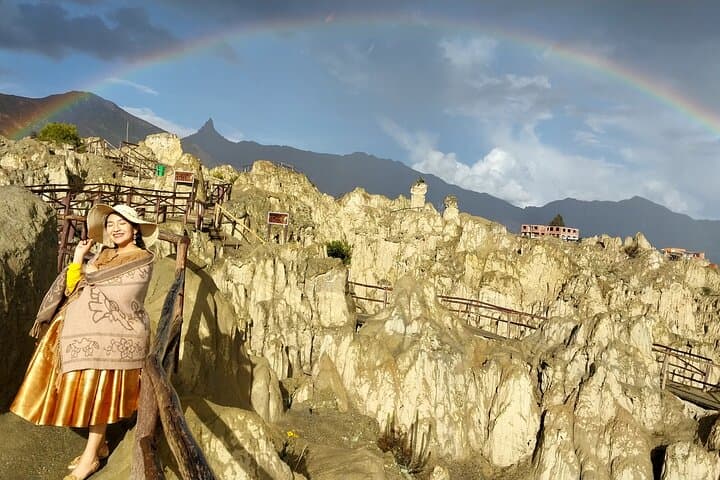
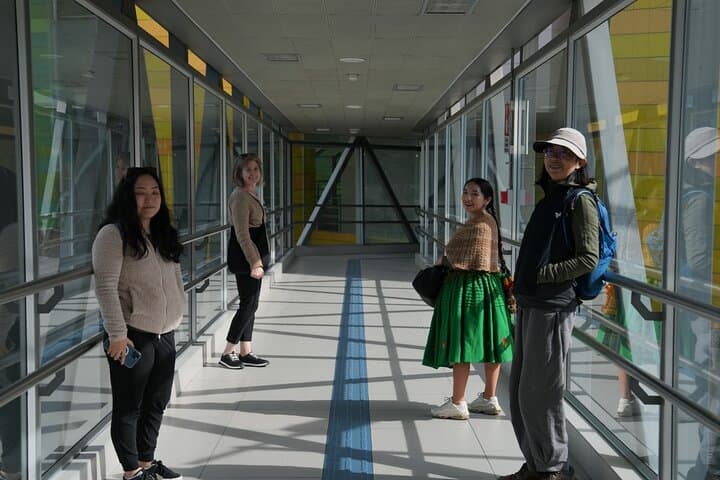
Then the city lifts you—Mi Teleférico carries you over neighborhoods and gullies, the wind pushing as if to remind you of the altitude. The final act is Valley of the Moon: eroded clay spires and labyrinthine gullies carved by rain and time that feel almost lunar, cliffs that seem to watch you back.
Geology here is blunt and honest—soft sediment cut into ridges—while culture is layered: Spanish colonial plazas layered atop pre-Columbian beliefs. Guides who are local Aymara or Quechua provide context and may offer a small blessing to honor the land.
Practical guide: this is a 4–5 hour outing with moderate walking on paved streets and uneven clay trails. Expect thin air—move slowly, hydrate, and use sun protection. Comfortable walking shoes, layers for quick temperature shifts, and a jacket for higher cable-car stations will make the day smoother. The tour includes transport and entry tickets, and it scales well for a private group wanting both culture and raw landscape in one half-day.
moderate.
4–5 hours.
Reasonable walking fitness; able to manage stairs and uneven clay paths for short periods while coping with high altitude.
The private tour runs about 4–5 hours and includes pickup, transport, cable car tickets and entrance to the Coca Museum and Valley of the Moon.
It’s moderately paced but requires caution; allow time to acclimatize and inform the operator of symptoms—shortness of breath or dizziness should be taken seriously.
Photographs are usually allowed in markets, but always ask before photographing people or sacred ritual offerings; guides will advise on local etiquette.
Not recommended for pregnant travelers; children are allowed but consider altitude effects and the uneven terrain at the Valley of the Moon.
La Paz grew rapidly in the 19th and 20th centuries; Plaza Murillo sits on colonial foundations that have been the stage for Bolivia’s political shifts.
Valley of the Moon is vulnerable to erosion and foot traffic; stick to marked paths and avoid removing rocks or soil to limit landscape damage.
INTI WALKERS operates guided outdoor trips and adventures with an emphasis on safety, stewardship, and memorable experiences.
You step out into a thin, cold light and La Paz spreads below like a living map—staircases and rooftops stacked against the bowl of the valley, cable cars tracing bright lines overhead.
You step out into a thin, cold light and La Paz spreads below like a living map—staircases and rooftops stacked against the bowl of the valley, cable cars tracing bright lines overhead.
The tour moves fast: the Witches' Market first, where Aymara and Quechua traditions are visible in bundles of herbs, dried llama fetuses and ritual paraphernalia. From there, the Coca Museum reframes a controversial plant as an ancestral medicine with centuries of ritual use. A short walk brings you to Plaza Murillo, the political center where Bolivia's history is written into stately façades and guarded squares.
Then the city lifts you—Mi Teleférico carries you over neighborhoods and gullies, the wind pushing as if to remind you of the altitude. The final act is Valley of the Moon: eroded clay spires and labyrinthine gullies carved by rain and time that feel almost lunar, cliffs that seem to watch you back.
Geology here is blunt and honest—soft sediment cut into ridges—while culture is layered: Spanish colonial plazas layered atop pre-Columbian beliefs. Guides who are local Aymara or Quechua provide context and may offer a small blessing to honor the land.
Practical guide: this is a 4–5 hour outing with moderate walking on paved streets and uneven clay trails. Expect thin air—move slowly, hydrate, and use sun protection. Comfortable walking shoes, layers for quick temperature shifts, and a jacket for higher cable-car stations will make the day smoother. The tour includes transport and entry tickets, and it scales well for a private group wanting both culture and raw landscape in one half-day.