
Discover Kenya’s Story: Nairobi National Museum & Snake Park Half-Day Guided Tour
Combine natural history and live wildlife in one efficient half-day in Nairobi. This guided visit pairs the National Museum’s human and geological story with the Snake Park’s living reptiles—ideal for curious travelers short on time.
An Adventure In Nairobi.
Combine natural history and live wildlife in one efficient half-day in Nairobi. This guided visit pairs the National Museum’s human and geological story with the Snake Park’s living reptiles—ideal for curious travelers short on time.
Read the full experience
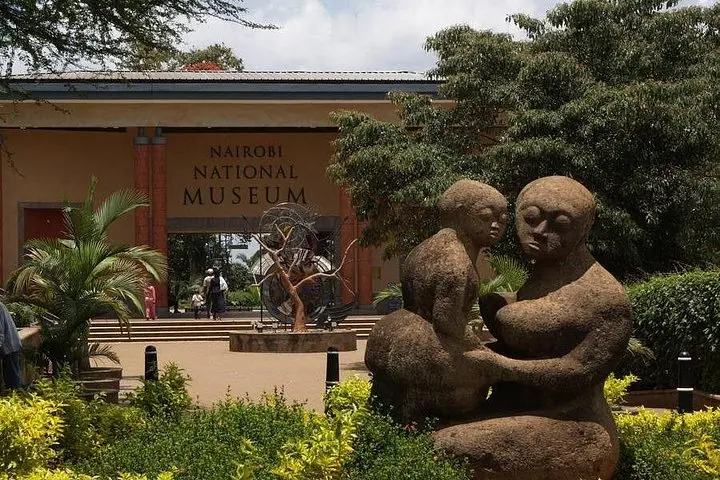
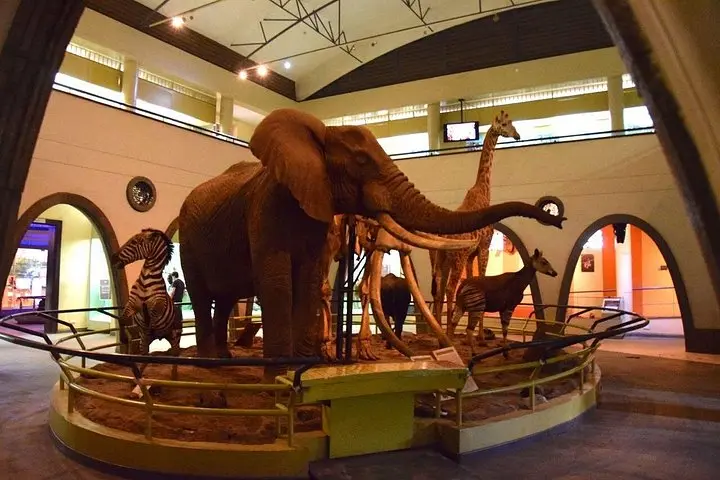
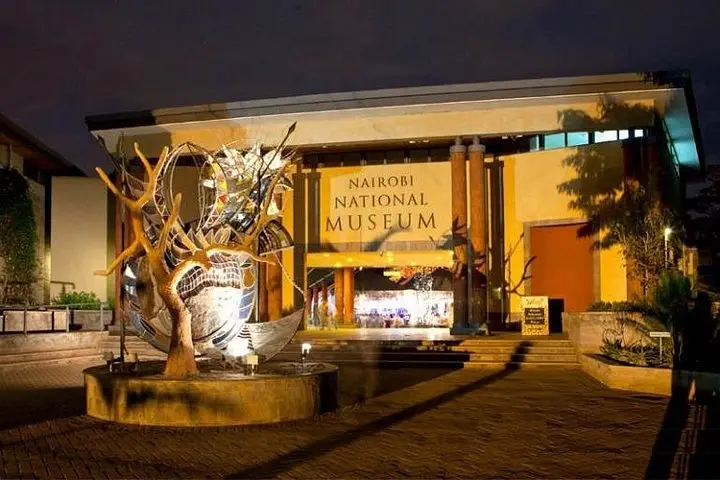
You step off the minivan onto Museum Hill and the city’s heat loosens its grip—the museum’s stone facade and shaded courtyards promise a measured, informative morning. Inside, displays push and pull: taxidermy giraffes and elephants loom, while a quieter gallery holds fossils that first narrated humankind’s East African origins. Outside, the Snake Park’s enclosures draw a different attention—crocodiles sun themselves, terrapins bob, and snakes occupy niches that rarely intersect with city life.
You step off the minivan onto Museum Hill and the city’s heat loosens its grip—the museum’s stone facade and shaded courtyards promise a measured, informative morning. Inside, displays push and pull: taxidermy giraffes and elephants loom, while a quieter gallery holds fossils that first narrated humankind’s East African origins. Outside, the Snake Park’s enclosures draw a different attention—crocodiles sun themselves, terrapins bob, and snakes occupy niches that rarely intersect with city life.
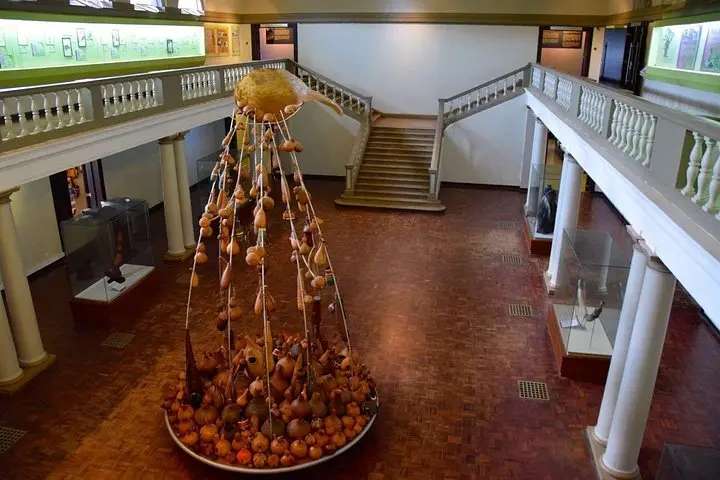
The museum is organized into culture, nature, prehistory and contemporary art, with Louis Leakey’s finds anchoring the story that gave the region its nickname, the Cradle of Mankind. Geology here is readable: exhibits reference the Rift Valley’s tectonic forces that shaped landscapes and migration routes. The adjacent botanical paths and Snake Park add a living element—the reptiles and native flora provide a quick field lesson in species adapted to Nairobi’s urban-edge environment.
For planning, expect easy walking on paved galleries and short external trails; allow 3–5 hours including pickup and traffic. Mornings are cooler and produce better light for photos and clearer exhibits in the outdoor areas. Guides break down complex exhibits into digestible context—cultural artifacts, colonial history, and contemporary Kenyan art—and public restrooms and a café are on site for a practical pause.
Bring water, sun protection and comfortable shoes; move deliberately through the galleries to absorb both objects and the larger story of Kenya’s natural and human history.
Frequently asked questions
The full experience including hotel pickup and drop-off runs about 4–6 hours; plan 2–3 hours inside the museum and 30–60 minutes at the Snake Park and gardens.
Yes—entrance fees to the Nairobi National Museum and Snake Park are included in this guided tour.
Yes, the tour is rated easy and family-friendly; infants must sit on laps during transit and the route is accessible though some areas have stairs.
Yes, the museum has a curio shop and a café offering light meals and refreshments for a practical break between exhibits.
About This Experience
Sabilom Kenya Tours & Safaris operates guided outdoor trips and adventures with an emphasis on safety, stewardship, and memorable experiences.
Adventure tips
Recommended gear
- Comfortable walking shoes: Support and grip for gallery floors, steps and short outdoor paths.
- Reusable water bottle: Stay hydrated in Nairobi’s climate; there are refill points and shops on site.
- Sun hat and sunscreen: Shaded outdoor areas help, but sun protection is useful between exhibits and on the botanical trail.
- Light rain jacket: Quick showers can appear; a packable shell keeps you comfortable without adding bulk.
Photos of the experience
Related adventures & guides
Read the full experience
You step off the minivan onto Museum Hill and the city’s heat loosens its grip—the museum’s stone facade and shaded courtyards promise a measured, informative morning. Inside, displays push and pull: taxidermy giraffes and elephants loom, while a quieter gallery holds fossils that first narrated humankind’s East African origins. Outside, the Snake Park’s enclosures draw a different attention—crocodiles sun themselves, terrapins bob, and snakes occupy niches that rarely intersect with city life.
You step off the minivan onto Museum Hill and the city’s heat loosens its grip—the museum’s stone facade and shaded courtyards promise a measured, informative morning. Inside, displays push and pull: taxidermy giraffes and elephants loom, while a quieter gallery holds fossils that first narrated humankind’s East African origins. Outside, the Snake Park’s enclosures draw a different attention—crocodiles sun themselves, terrapins bob, and snakes occupy niches that rarely intersect with city life.
The museum is organized into culture, nature, prehistory and contemporary art, with Louis Leakey’s finds anchoring the story that gave the region its nickname, the Cradle of Mankind. Geology here is readable: exhibits reference the Rift Valley’s tectonic forces that shaped landscapes and migration routes. The adjacent botanical paths and Snake Park add a living element—the reptiles and native flora provide a quick field lesson in species adapted to Nairobi’s urban-edge environment.
For planning, expect easy walking on paved galleries and short external trails; allow 3–5 hours including pickup and traffic. Mornings are cooler and produce better light for photos and clearer exhibits in the outdoor areas. Guides break down complex exhibits into digestible context—cultural artifacts, colonial history, and contemporary Kenyan art—and public restrooms and a café are on site for a practical pause.
Bring water, sun protection and comfortable shoes; move deliberately through the galleries to absorb both objects and the larger story of Kenya’s natural and human history.
Make a day of it nearby.
Verified experiences and guided adventures in the surrounding area.