THE ADVENTURE COLLECTIVE® · Independent discovery and booking for outdoor travel

A two-day island escape from Maputo that blends short boat crossings, beach swims, jeep rides and coral snorkeling. Ideal for travelers seeking easy, wildlife-rich coastal adventure with an overnight stay on Inhaca.
A two-day island escape from Maputo that blends short boat crossings, beach swims, jeep rides and coral snorkeling. Ideal for travelers seeking easy, wildlife-rich coastal adventure with an overnight stay on Inhaca.
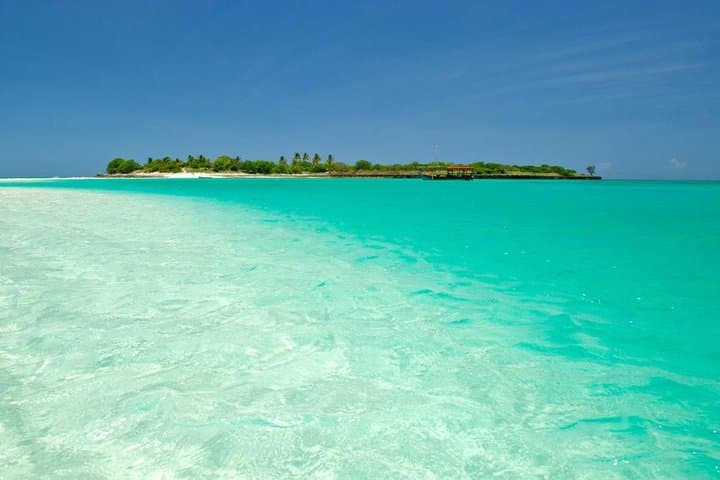
A low-slung boat cuts through Maputo Bay at first light and the city melts behind you; salt rides the air and the horizon opens into pale blue. Within an hour you’re working into the shallow archipelago around Inhaca — a mix of sandy spits, mangrove edges and coral gardens that seem to pull you toward the water.
Verified experiences and guided adventures in the surrounding area.
Operated by Vibe Experience Mozambique · Maputo, Maputo Province
A low-slung boat cuts through Maputo Bay at first light and the city melts behind you; salt rides the air and the horizon opens into pale blue. Within an hour you’re working into the shallow archipelago around Inhaca — a mix of sandy spits, mangrove edges and coral gardens that seem to pull you toward the water.
The island carries layers of history: a 19th-century Portuguese presence, a long-standing marine research station and a fishing culture shaped by tides and trade with Maputo. Geologically Inhaca is a barrier island of sand and reef, where wind-built dunes rub shoulders with igneous rock outcrops that mark old shorelines. Culturally the island balances local village life with ecotourism — guides often combine natural-history commentary with practical coastal lore.
On day one expect boating around small islets, beach swims in crystal-clear shallows and a relaxed dinner at a guesthouse with ocean views. Night brings the quiet of the prawner boats coming in; the sky is a wide, cool ceiling. Day two moves inland: a short jeep ride takes you through coastal scrub to Santa Maria and coral bommies where snorkeling reveals surgeonfish, parrotfish and green turtles in water typically 1–6 meters deep.
Practical guidance: bring reef-safe sunscreen, a well-fitting snorkel mask and water shoes for rocky entries. Carry cash for small purchases, pack light clothing and a wind layer for early morning crossings. Boats can be bumpy — secure loose items and ask guides about sea conditions before swimming. This two-day trip is low on elevation but high on shoreline variety; it’s an accessible, compact taste of Mozambique’s marine world.
easy.
2 days (approx. 48 hours).
Suitable for travelers with basic mobility; involves short walks on sand and shallow snorkeling.
Typical speedboat transfers to Inhaca and nearby islets take about 45–60 minutes depending on sea conditions and the exact landing point.
No — snorkeling spots are generally in shallow water (1–6 m); basic swimming comfort and a snorkel mask are usually sufficient, and guides accompany the group.
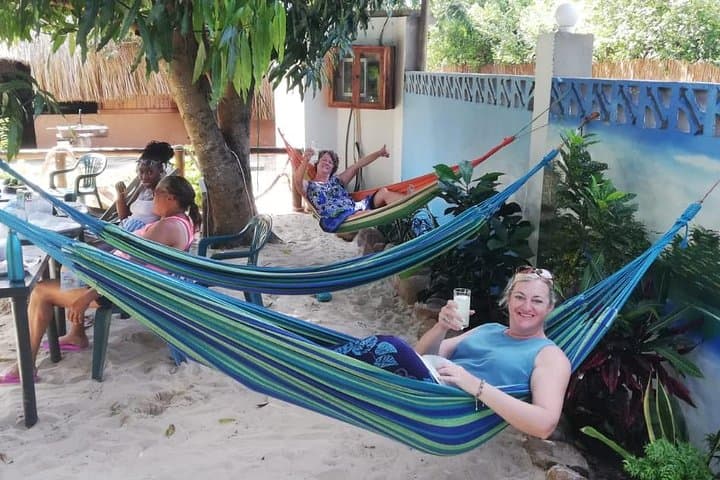
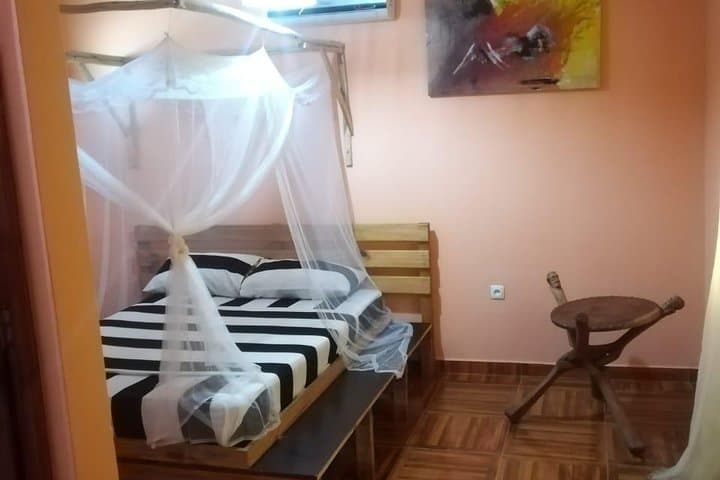
Overnight stays are in air-conditioned guesthouse rooms on Inhaca with basic amenities and access to communal areas; exact lodging depends on availability and tour operator arrangements.
Yes — the itinerary typically includes breakfast, lunches and dinner as listed, often featuring local seafood and straightforward, cooked meals.
Inhaca served as a navigational stop and research outpost during the Portuguese colonial period; the island later became notable for marine biology studies and local fishing communities.
Coral reefs around Inhaca are sensitive to warming and physical contact; visitors are asked to use reef-safe products, avoid touching corals and support local conservation initiatives and guiding operators.
Vibe Experience Mozambique operates guided outdoor trips and adventures with an emphasis on safety, stewardship, and memorable experiences.
A low-slung boat cuts through Maputo Bay at first light and the city melts behind you; salt rides the air and the horizon opens into pale blue. Within an hour you’re working into the shallow archipelago around Inhaca — a mix of sandy spits, mangrove edges and coral gardens that seem to pull you toward the water.
A low-slung boat cuts through Maputo Bay at first light and the city melts behind you; salt rides the air and the horizon opens into pale blue. Within an hour you’re working into the shallow archipelago around Inhaca — a mix of sandy spits, mangrove edges and coral gardens that seem to pull you toward the water.
The island carries layers of history: a 19th-century Portuguese presence, a long-standing marine research station and a fishing culture shaped by tides and trade with Maputo. Geologically Inhaca is a barrier island of sand and reef, where wind-built dunes rub shoulders with igneous rock outcrops that mark old shorelines. Culturally the island balances local village life with ecotourism — guides often combine natural-history commentary with practical coastal lore.
On day one expect boating around small islets, beach swims in crystal-clear shallows and a relaxed dinner at a guesthouse with ocean views. Night brings the quiet of the prawner boats coming in; the sky is a wide, cool ceiling. Day two moves inland: a short jeep ride takes you through coastal scrub to Santa Maria and coral bommies where snorkeling reveals surgeonfish, parrotfish and green turtles in water typically 1–6 meters deep.
Practical guidance: bring reef-safe sunscreen, a well-fitting snorkel mask and water shoes for rocky entries. Carry cash for small purchases, pack light clothing and a wind layer for early morning crossings. Boats can be bumpy — secure loose items and ask guides about sea conditions before swimming. This two-day trip is low on elevation but high on shoreline variety; it’s an accessible, compact taste of Mozambique’s marine world.