THE ADVENTURE COLLECTIVE® · Independent discovery and booking for outdoor travel

Explore Hambantota Bird Park’s close-up bird encounters and shaded boardwalks on a 3–4 hour tour. Learn which species are most active in the morning, what to bring, and how to make the most of feeding sessions.
Explore Hambantota Bird Park’s close-up bird encounters and shaded boardwalks on a 3–4 hour tour. Learn which species are most active in the morning, what to bring, and how to make the most of feeding sessions.
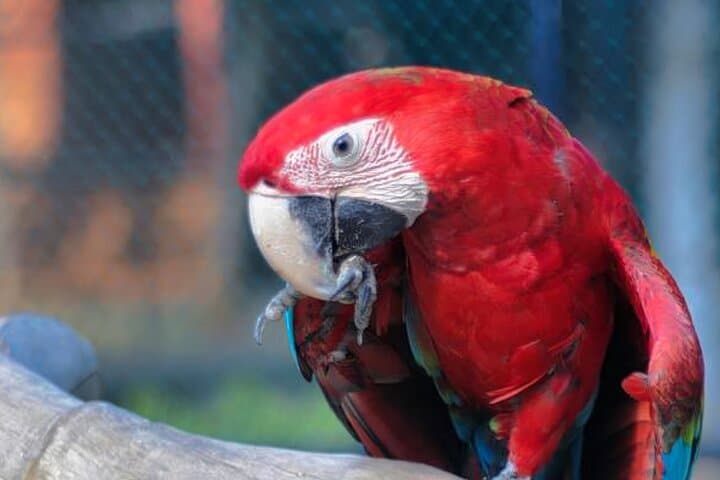
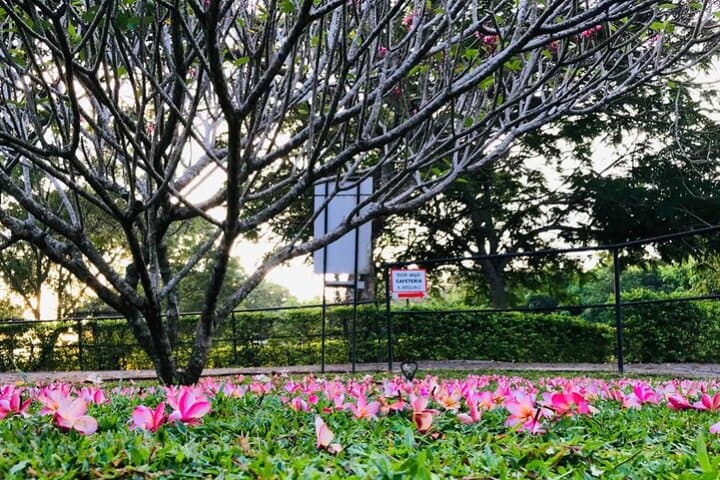
A low, constant chorus of calls meets visitors before the park gate opens: shrill bulbuls, metallic cuckoos and the soft percussion of rails moving through reed beds. At Hambantota Bird Park the day begins with light on the coastal plain, trees shading compact trails and aviaries that bring endemic and introduced species into unexpected proximity.
Verified experiences and guided adventures in the surrounding area.
Operated by SAMTOURS | Sri Lanka · Hambantota, Southern Province
A low, constant chorus of calls meets visitors before the park gate opens: shrill bulbuls, metallic cuckoos and the soft percussion of rails moving through reed beds. At Hambantota Bird Park the day begins with light on the coastal plain, trees shading compact trails and aviaries that bring endemic and introduced species into unexpected proximity.
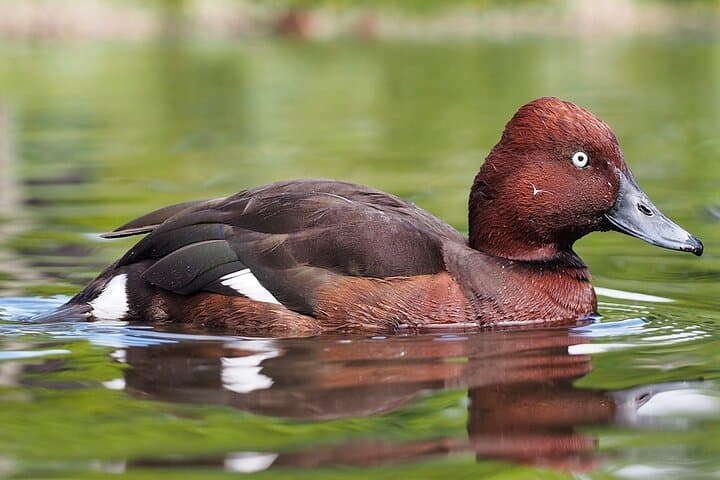
The park sits within Sri Lanka’s dry zone landscape—flat limestone soils and scrubby coastal growth shaped by seasons of wind and salt. Bird-keeping and display have local roots tied to conservation awareness and wildlife tourism growth on the southern coast; the park now complements nearby wetlands and protected sites that attract migratory waterfowl. Cultural ties are subtle but present: local guides link species to seasonal fishing cycles and rice-field rhythms.
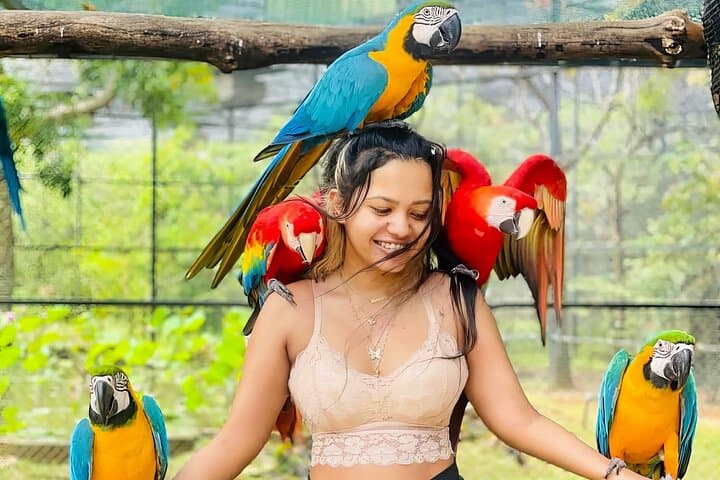
For visitors this is a short, accessible wildlife visit rather than a backcountry trek. Expect boardwalks, shaded viewing points, feeding sessions and close-up encounters that photographers and families value. Mornings are most active for birds; mid-afternoon brings quieter heat. The park’s layout makes it easy to move slowly—listen for calls, let a kingfisher’s skitter draw you to water.
Practical guidance: plan 3–4 hours including transport, bring a lightweight sun layer and insect repellent, and arrive early for peak activity. Carry binoculars and a zoom lens for distant waterbirds. Respect enclosure rules and feeding protocols—staff-led feeding is the safest way to interact. The experience is relaxed, educational and well suited to travelers seeking hands-on wildlife viewing without strenuous hiking.
easy.
3–4 hours.
Suitable for most fitness levels—gentle walking on boardwalks and paved paths with step-free options
According to the tour itinerary, admission to the park and private transportation are included; bottled water is typically provided on the transfer.
Yes—staff-led bird feeding is listed as a highlight; visitors should follow staff instructions and use only approved food.
The park is described as wheelchair- and stroller-accessible with step-free surfaces and accessible transportation options when requested in advance.
Early morning is best for bird activity and comfortable temperatures; late afternoon can also be productive but is often warmer.
The park is part of broader wildlife tourism growth along Sri Lanka’s southern coast, created to showcase local and migratory bird species and support education.
The park participates in public education and relies on responsible visitor behavior—limiting feeding to staff sessions and reducing noise helps protect bird welfare.
SAMTOURS | Sri Lanka operates guided outdoor trips and adventures with an emphasis on safety, stewardship, and memorable experiences.
A low, constant chorus of calls meets visitors before the park gate opens: shrill bulbuls, metallic cuckoos and the soft percussion of rails moving through reed beds. At Hambantota Bird Park the day begins with light on the coastal plain, trees shading compact trails and aviaries that bring endemic and introduced species into unexpected proximity.
A low, constant chorus of calls meets visitors before the park gate opens: shrill bulbuls, metallic cuckoos and the soft percussion of rails moving through reed beds. At Hambantota Bird Park the day begins with light on the coastal plain, trees shading compact trails and aviaries that bring endemic and introduced species into unexpected proximity.
The park sits within Sri Lanka’s dry zone landscape—flat limestone soils and scrubby coastal growth shaped by seasons of wind and salt. Bird-keeping and display have local roots tied to conservation awareness and wildlife tourism growth on the southern coast; the park now complements nearby wetlands and protected sites that attract migratory waterfowl. Cultural ties are subtle but present: local guides link species to seasonal fishing cycles and rice-field rhythms.
For visitors this is a short, accessible wildlife visit rather than a backcountry trek. Expect boardwalks, shaded viewing points, feeding sessions and close-up encounters that photographers and families value. Mornings are most active for birds; mid-afternoon brings quieter heat. The park’s layout makes it easy to move slowly—listen for calls, let a kingfisher’s skitter draw you to water.
Practical guidance: plan 3–4 hours including transport, bring a lightweight sun layer and insect repellent, and arrive early for peak activity. Carry binoculars and a zoom lens for distant waterbirds. Respect enclosure rules and feeding protocols—staff-led feeding is the safest way to interact. The experience is relaxed, educational and well suited to travelers seeking hands-on wildlife viewing without strenuous hiking.