THE ADVENTURE COLLECTIVE® · Independent discovery and booking for outdoor travel

An 8-day cultural loop from Accra into the Ashanti heartland and Kakum’s canopy walkway—expect market life, historic forts, kente weaving, and rainforest trails. This practical guide readies you for logistics, local culture and what to pack.
An 8-day cultural loop from Accra into the Ashanti heartland and Kakum’s canopy walkway—expect market life, historic forts, kente weaving, and rainforest trails. This practical guide readies you for logistics, local culture and what to pack.
You step into Accra and the air feels warm, salt-tinged from the nearby Gulf of Guinea as motorbikes thread through streets of chancery buildings and open-air stalls. The tour moves from the city's crowded markets and historic James Town lighthouse to the quieter shade of Ghana’s rainforests, so the rhythm shifts from urban pulse to forest hush.
Verified experiences and guided adventures in the surrounding area.
Operated by Blastours Ghana · Accra, Greater Accra Region
You step into Accra and the air feels warm, salt-tinged from the nearby Gulf of Guinea as motorbikes thread through streets of chancery buildings and open-air stalls. The tour moves from the city's crowded markets and historic James Town lighthouse to the quieter shade of Ghana’s rainforests, so the rhythm shifts from urban pulse to forest hush.
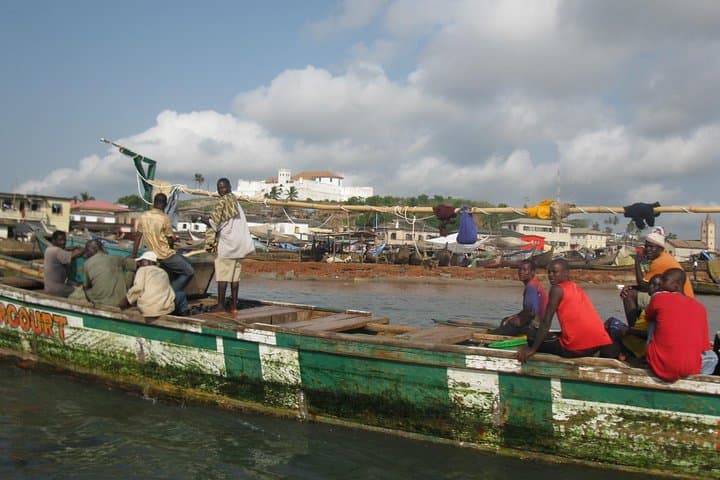
The route stitches together centuries: coastal forts and castles that chart the painful history of the trans-Atlantic slave trade, the proud Ashanti capital and Manhyia Palace, and inland sites tied to cocoa research and traditional crafts. Geologically, the trip crosses low coastal plains into the forested scarps of the southern highlands; Lake Bosumtwi sits in a meteorite-formed crater, a calm counterpoint to the busy markets of Kumasi and Accra.
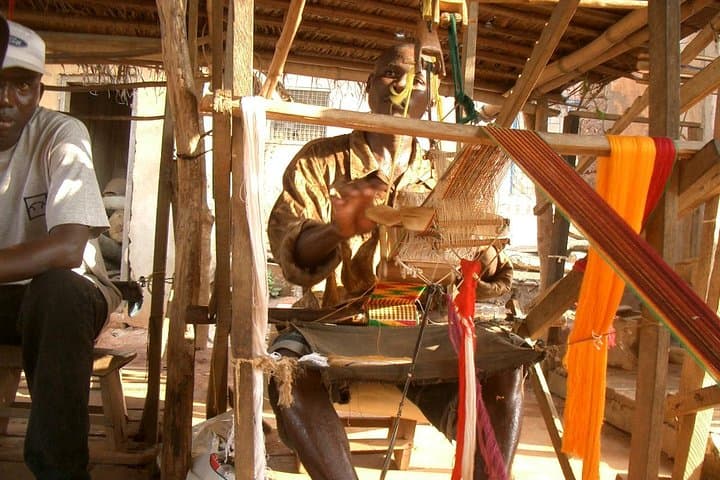
Cultural threads run clear—kente weaving, adinkra printing, and carving villages put hands-on heritage within reach, while the Kejetia Market exposes the logistics of a city that moves goods by voice and balance. In Kakum National Park, the canopy walkway lifts visitors into the midstory where hornbills and Diana monkeys make sudden appearances and the forest feels alive under your feet.
Practical edge: the itinerary demands moderate fitness for walking tours and canopy sections; expect humid heat, sudden rain and dust in market alleys. Carry cash in small denominations, wear sturdy shoes for uneven surfaces, and plan early starts to avoid mid-day heat in southern Ghana. Guides handle logistics and park fees, but independent curiosity—an extra hour at a market or a side visit to a kente loom—rewards those who build slack time into the days.
moderate.
7–9 days.
Moderate: able to walk several hours a day on uneven terrain and climb stairs; comfortable with tropical heat.
Yes—this itinerary includes seven nights of accommodation, typically in boutique or mid-range hotels specified in the tour inclusions.
National park fees and a local guide are listed in the tour inclusions, so entry to Kakum’s canopy walkway is covered by the tour price.
Yes—carry Ghanaian cedi (GHS) in small notes for markets, tips, and purchases where cards aren’t accepted; ATMs are common in Accra and Kumasi but less so in smaller towns.
Some sites have uneven ground and stairs (forts, market alleys, canopy walkway); while parts are wheelchair accessible at ground level, several activities require mobility and are described as moderate fitness.
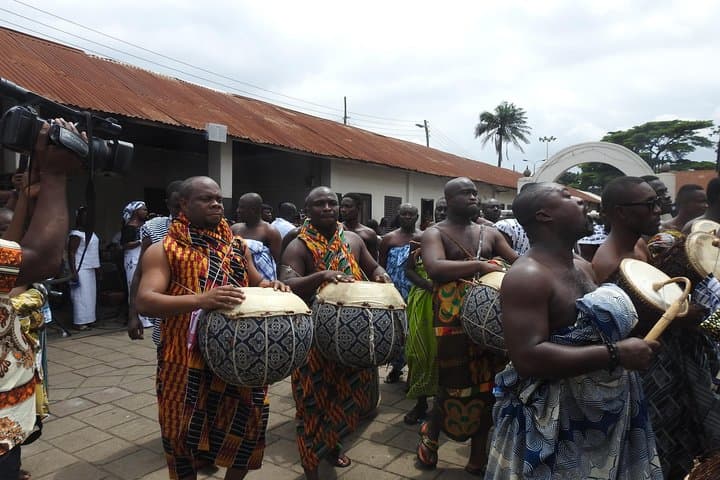
The itinerary links coastal European-built forts used in the trans-Atlantic trade with the Ashanti Kingdom’s historic seat at Manhyia Palace, offering a cross-section of Ghana’s colonial and indigenous past.
Kakum National Park is managed to protect Ghana’s remaining moist evergreen forest; visitors are encouraged to follow marked trails, avoid littering and support community-run craft villages to channel tourism benefits locally.
Blastours Ghana operates guided outdoor trips and adventures with an emphasis on safety, stewardship, and memorable experiences.
You step into Accra and the air feels warm, salt-tinged from the nearby Gulf of Guinea as motorbikes thread through streets of chancery buildings and open-air stalls. The tour moves from the city's crowded markets and historic James Town lighthouse to the quieter shade of Ghana’s rainforests, so the rhythm shifts from urban pulse to forest hush.
You step into Accra and the air feels warm, salt-tinged from the nearby Gulf of Guinea as motorbikes thread through streets of chancery buildings and open-air stalls. The tour moves from the city's crowded markets and historic James Town lighthouse to the quieter shade of Ghana’s rainforests, so the rhythm shifts from urban pulse to forest hush.
The route stitches together centuries: coastal forts and castles that chart the painful history of the trans-Atlantic slave trade, the proud Ashanti capital and Manhyia Palace, and inland sites tied to cocoa research and traditional crafts. Geologically, the trip crosses low coastal plains into the forested scarps of the southern highlands; Lake Bosumtwi sits in a meteorite-formed crater, a calm counterpoint to the busy markets of Kumasi and Accra.
Cultural threads run clear—kente weaving, adinkra printing, and carving villages put hands-on heritage within reach, while the Kejetia Market exposes the logistics of a city that moves goods by voice and balance. In Kakum National Park, the canopy walkway lifts visitors into the midstory where hornbills and Diana monkeys make sudden appearances and the forest feels alive under your feet.
Practical edge: the itinerary demands moderate fitness for walking tours and canopy sections; expect humid heat, sudden rain and dust in market alleys. Carry cash in small denominations, wear sturdy shoes for uneven surfaces, and plan early starts to avoid mid-day heat in southern Ghana. Guides handle logistics and park fees, but independent curiosity—an extra hour at a market or a side visit to a kente loom—rewards those who build slack time into the days.