THE ADVENTURE COLLECTIVE® · Independent discovery and booking for outdoor travel

Move from Cocora Valley’s wax palms into the high páramo to study frailejones and panoramic views of Nevado del Tolima. This two-day trek combines steep mountain hiking with a night at a traditional peasant farm.
Move from Cocora Valley’s wax palms into the high páramo to study frailejones and panoramic views of Nevado del Tolima. This two-day trek combines steep mountain hiking with a night at a traditional peasant farm.
A cold wind moves through the high grass as you climb: the páramo opens, and towers of frailejones—stubby, silver-leaved plants shaped by altitude—dot the slope like lone sentries. On this two-day route you move from humid cloud forest in the Cocora Valley up to Romeral páramo at roughly 3,800 m, trading wax palms and birdsong for the sparse, wind-sculpted vegetation of the high Andes.
Verified experiences and guided adventures in the surrounding area.
Operated by Quimbayas Trail Colombia · Salento, Quindío
A cold wind moves through the high grass as you climb: the páramo opens, and towers of frailejones—stubby, silver-leaved plants shaped by altitude—dot the slope like lone sentries. On this two-day route you move from humid cloud forest in the Cocora Valley up to Romeral páramo at roughly 3,800 m, trading wax palms and birdsong for the sparse, wind-sculpted vegetation of the high Andes.
The landscape here is young Andes geology—eroded volcanic ridges and deep canyons carved by glacial and fluvial action. The area sits on ancestral routes used by indigenous peoples and later peasants; local fincas (farms) still raise cattle and cultivate potatoes, and offer simple farm-stays that connect visitors to rural Quindío life. Frailejones (Espeletia spp.) are not trees but specialized rosette plants that capture moisture and help regulate water for lower valleys.
Practically: the itinerary covers about 18 km on day one and 21 km on day two, with steep sections and rocky, uneven ground—expect a total of two days and an overnight farm stay at ~3,800 m. Acclimatize in Salento, carry 2–3 liters of water, and use layered, windproof clothing; weather changes fast at this elevation. Footwear should be sturdy, treaded, and waterproof for muddy trails.
Timing matters: start early to avoid afternoon storms, follow park registration procedures, and respect fragile páramo by staying on trails. Expect clear mountain vistas at dawn, hummingbirds and highland birds, and the slow, stubborn presence of frailejones as the defining memory of this trek.
challenging.
2 days.
Suitable for hikers with good aerobic fitness and experience on uneven, high-elevation trails; expect steep ascents.
The route is physically demanding due to elevation and sustained climbs; moderate-to-high fitness and prior day-hiking at lower elevations are recommended.
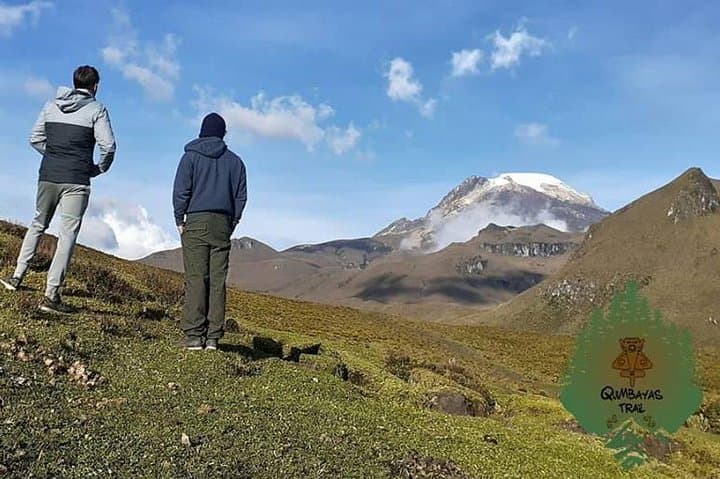
Views of Nevado del Tolima are possible on clear days—early mornings and late afternoons offer the best chances, weather dependent.
One night at a local peasant farm with basic amenities, including a hot shower and simple meals as described in the itinerary.
Entrance to Cocora Valley and Los Nevados National Natural Park are included in the tour; visitors must register with park authorities at the start of the route.
The páramo and surrounding valleys were used by indigenous groups and later smallholder farmers; local fincas still reflect traditional highland agriculture.
The páramo is a fragile water-regulating ecosystem—stick to trails, avoid collecting plants, and minimize waste to reduce impact.
Quimbayas Trail Colombia operates guided outdoor trips and adventures with an emphasis on safety, stewardship, and memorable experiences.
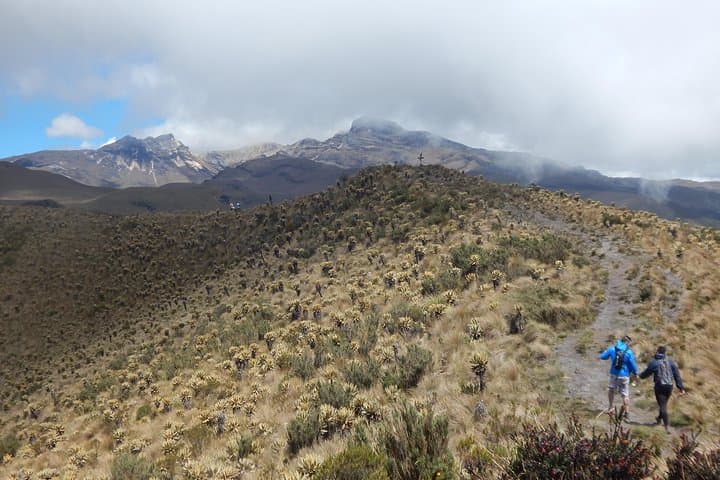
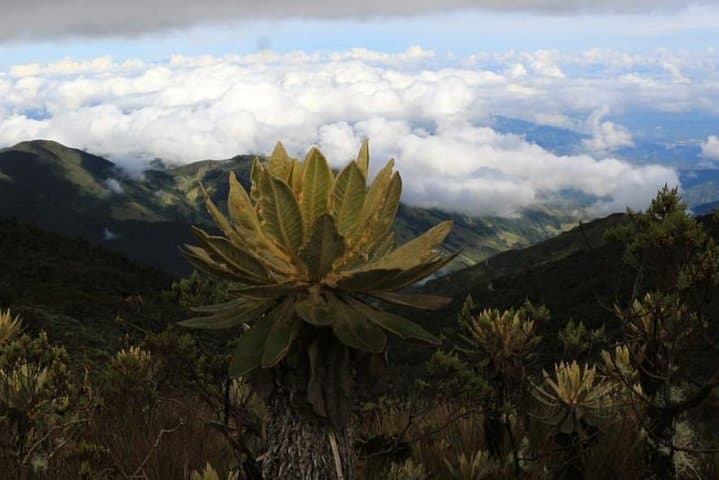
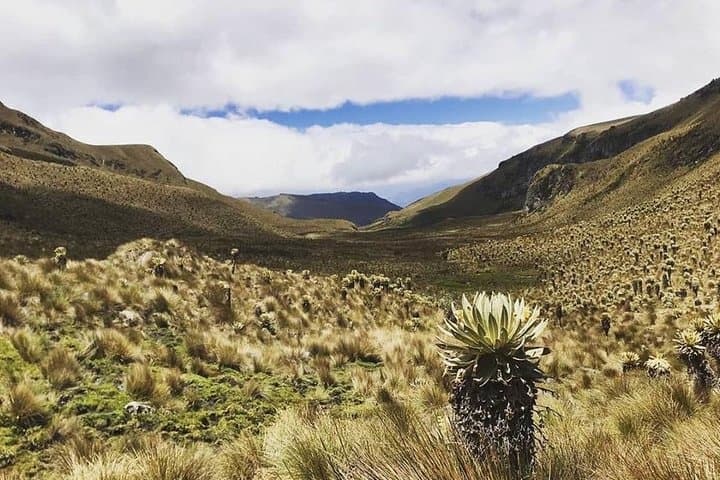
A cold wind moves through the high grass as you climb: the páramo opens, and towers of frailejones—stubby, silver-leaved plants shaped by altitude—dot the slope like lone sentries. On this two-day route you move from humid cloud forest in the Cocora Valley up to Romeral páramo at roughly 3,800 m, trading wax palms and birdsong for the sparse, wind-sculpted vegetation of the high Andes.
A cold wind moves through the high grass as you climb: the páramo opens, and towers of frailejones—stubby, silver-leaved plants shaped by altitude—dot the slope like lone sentries. On this two-day route you move from humid cloud forest in the Cocora Valley up to Romeral páramo at roughly 3,800 m, trading wax palms and birdsong for the sparse, wind-sculpted vegetation of the high Andes.
The landscape here is young Andes geology—eroded volcanic ridges and deep canyons carved by glacial and fluvial action. The area sits on ancestral routes used by indigenous peoples and later peasants; local fincas (farms) still raise cattle and cultivate potatoes, and offer simple farm-stays that connect visitors to rural Quindío life. Frailejones (Espeletia spp.) are not trees but specialized rosette plants that capture moisture and help regulate water for lower valleys.
Practically: the itinerary covers about 18 km on day one and 21 km on day two, with steep sections and rocky, uneven ground—expect a total of two days and an overnight farm stay at ~3,800 m. Acclimatize in Salento, carry 2–3 liters of water, and use layered, windproof clothing; weather changes fast at this elevation. Footwear should be sturdy, treaded, and waterproof for muddy trails.
Timing matters: start early to avoid afternoon storms, follow park registration procedures, and respect fragile páramo by staying on trails. Expect clear mountain vistas at dawn, hummingbirds and highland birds, and the slow, stubborn presence of frailejones as the defining memory of this trek.