THE ADVENTURE COLLECTIVE® · Independent discovery and booking for outdoor travel

A paced, six-hour small-group outing through Évora’s Roman remains, sacred cloisters and cork workshops. Expect focused cultural context, a winery visit and easy walking on cobbled streets.
A paced, six-hour small-group outing through Évora’s Roman remains, sacred cloisters and cork workshops. Expect focused cultural context, a winery visit and easy walking on cobbled streets.
You step off the coach into Giraldo Square with sunshine hitting the pale stone and storks circling the skyline—Évora greets you with dry air that smells faintly of cork and rosemary.
Verified experiences and guided adventures in the surrounding area.
Operated by Neo Portugal Tours · Évora, Alentejo
You step off the coach into Giraldo Square with sunshine hitting the pale stone and storks circling the skyline—Évora greets you with dry air that smells faintly of cork and rosemary.
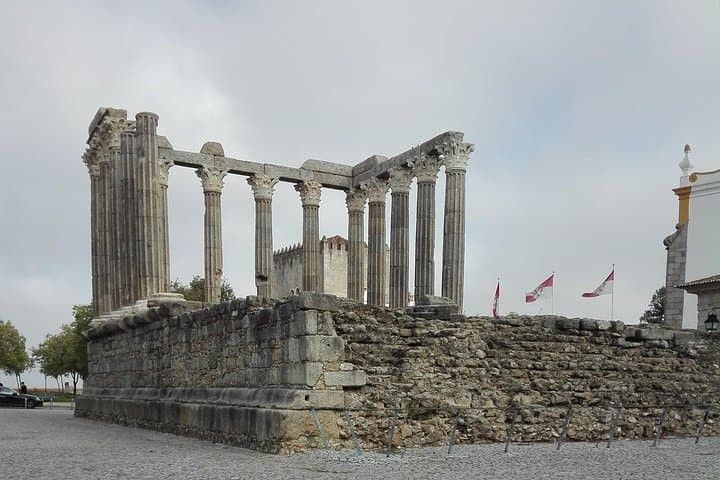
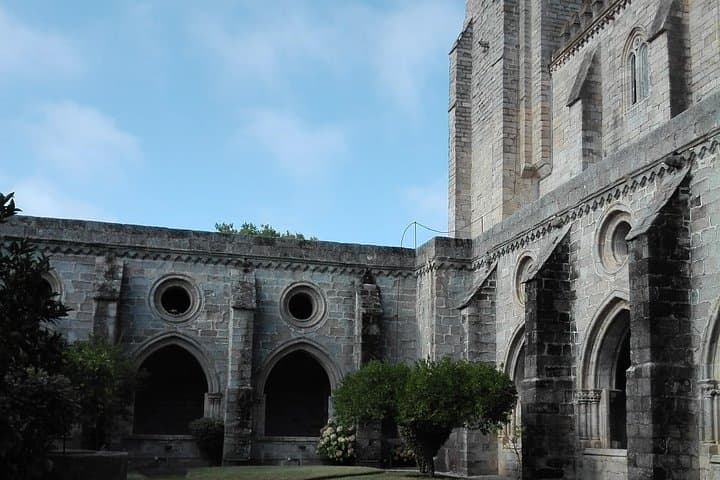
This full-day small-group tour moves at a steady, readable pace: a guided look inside a cork transformation workshop, a walk past the Roman temple’s columned profile, and the hush of a medieval cathedral and its cloisters. The Chapel of Bones is blunt and human; it quiets talk and sharpens attention to the city’s layered past.
Évora sits on a Roman foundation and grew through medieval Christian reconquest; the surrounding plains are Alentejo’s rolling cork oak country, a geology of schist and granite that feeds a rural culture of dry-farmed cereals, olive groves and vineyards. Cork extraction is not just industry here—it’s a seasonal ritual tied to sustainable forestry practices that preserve habitat for white storks and steppe birds.
Local insights surface during tastings at a family-run adega where clay jars and temperature-stable cellars tell a story of wine made for the table, not the tourist photo.
Practical guidance: wear comfortable walking shoes for cobbled streets and a light layer for interior sites that stay cool. Bring sunscreen and a refillable water bottle—the Alentejo sun is direct and dry. The tour covers roughly six hours with short walks between sites and includes private transport; it’s suitable for most fitness levels but requires moderate mobility for steps and uneven surfaces.
Timing a visit for morning light in the cathedral or late afternoon for the temple façade rewards photographers and daydreamers alike.
easy.
6 hours.
Suitable for most travelers with basic mobility; involves walking and short stair climbs.
Some sites are included (the listed adega visit notes admission); others like the cathedral or Chapel of Bones may require an entrance fee not always covered—confirm locally.
Évora is about 130 km (80 miles) east of Lisbon; travel time by private transport is typically around 1.5 hours each way depending on traffic.
The itinerary notes stroller accessibility for infants and small children, but expect tight spaces and stairs at some historic sites.
The tour requires a minimum number of participants (usually four); if not met, operators typically cancel with full refund or offer an alternate date.
Évora’s core is a Roman forum overlaid by medieval walls and later scholastic and ecclesiastical growth; the city is a UNESCO World Heritage site for this layered urban fabric.
Cork oak management here is largely sustainable—the tree is stripped without felling, supporting biodiversity and rural livelihoods while maintaining cultural landscapes.
Neo Portugal Tours operates guided outdoor trips and adventures with an emphasis on safety, stewardship, and memorable experiences.
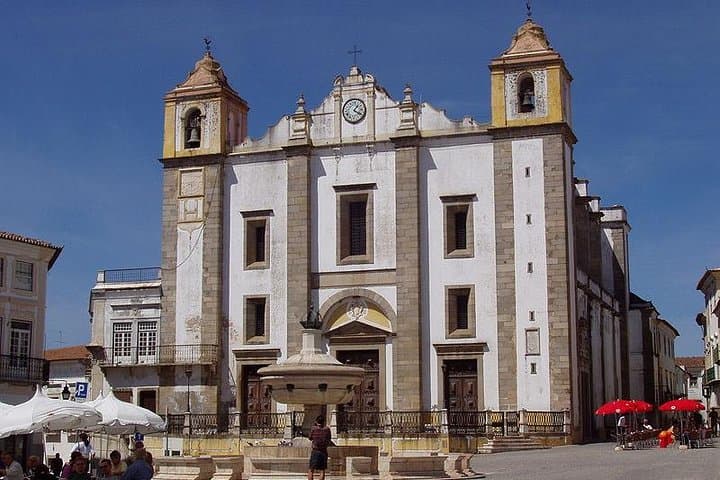

You step off the coach into Giraldo Square with sunshine hitting the pale stone and storks circling the skyline—Évora greets you with dry air that smells faintly of cork and rosemary.
You step off the coach into Giraldo Square with sunshine hitting the pale stone and storks circling the skyline—Évora greets you with dry air that smells faintly of cork and rosemary.
This full-day small-group tour moves at a steady, readable pace: a guided look inside a cork transformation workshop, a walk past the Roman temple’s columned profile, and the hush of a medieval cathedral and its cloisters. The Chapel of Bones is blunt and human; it quiets talk and sharpens attention to the city’s layered past.
Évora sits on a Roman foundation and grew through medieval Christian reconquest; the surrounding plains are Alentejo’s rolling cork oak country, a geology of schist and granite that feeds a rural culture of dry-farmed cereals, olive groves and vineyards. Cork extraction is not just industry here—it’s a seasonal ritual tied to sustainable forestry practices that preserve habitat for white storks and steppe birds.
Local insights surface during tastings at a family-run adega where clay jars and temperature-stable cellars tell a story of wine made for the table, not the tourist photo.
Practical guidance: wear comfortable walking shoes for cobbled streets and a light layer for interior sites that stay cool. Bring sunscreen and a refillable water bottle—the Alentejo sun is direct and dry. The tour covers roughly six hours with short walks between sites and includes private transport; it’s suitable for most fitness levels but requires moderate mobility for steps and uneven surfaces.
Timing a visit for morning light in the cathedral or late afternoon for the temple façade rewards photographers and daydreamers alike.