THE ADVENTURE COLLECTIVE® · Independent discovery and booking for outdoor travel

Walk between two UNESCO-listed halves of a city: medieval closes and sweeping Georgian crescents. This private 3–4 hour guided walk offers local stories, castle views and off-the-beaten-path vantage points.
Walk between two UNESCO-listed halves of a city: medieval closes and sweeping Georgian crescents. This private 3–4 hour guided walk offers local stories, castle views and off-the-beaten-path vantage points.
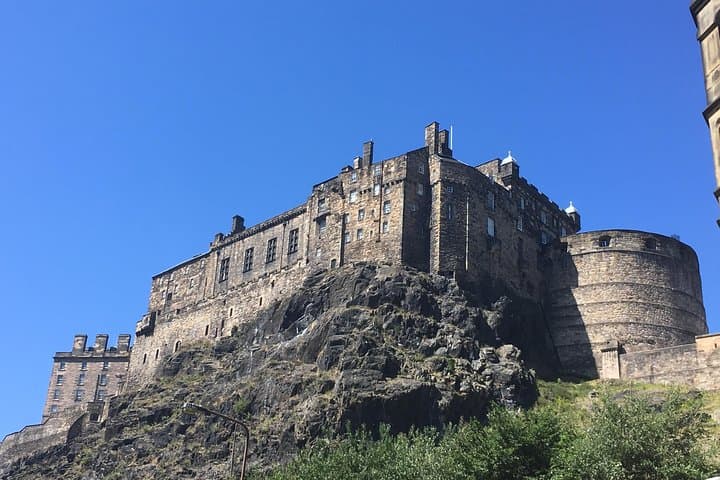
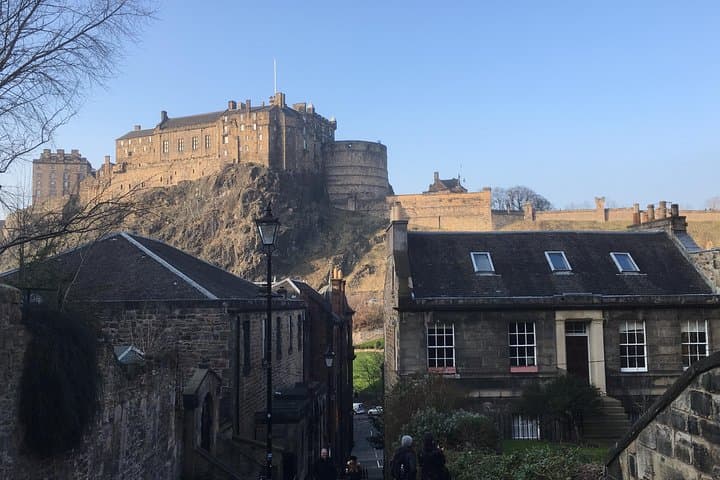
You step out onto a flagstone lane as a cool, briny wind threads down from the Firth of Forth and the castle looms above, a dark crown on volcanic rock. The guide — a local who grew up with these closes and crescents — leads you up a steep, cobbled stair; the city opens in layers: churchyards, tenement fronts, Georgian squares.
Verified experiences and guided adventures in the surrounding area.
Operated by Edinburgh Walks · Edinburgh, Scotland
You step out onto a flagstone lane as a cool, briny wind threads down from the Firth of Forth and the castle looms above, a dark crown on volcanic rock. The guide — a local who grew up with these closes and crescents — leads you up a steep, cobbled stair; the city opens in layers: churchyards, tenement fronts, Georgian squares.
The walk moves from medieval Old Town — built atop Castle Rock, carved into volcanic basalt — into the ordered geometry of the 18th-century New Town, an Enlightenment-era response to crowded streets. Expect stories of plague, printing presses, the Scottish Enlightenment and the inventors and writers who shaped modern Edinburgh. Geology shows itself in seams of igneous rock and reclaimed land; culture appears in pubs, bookshops and tenement courtyards called "closes." Local insight: many best views and intimate corners are found off the Royal Mile in alleys and raised vantage points rather than main thoroughfares.
Practically, this private 3–4 hour walk covers roughly 4–6 km with short, steep sections (castle approaches and stone steps) and predominantly cobbled, uneven ground. Wear sturdy shoes, layer for changeable weather, and plan for frequent photo stops. Small, private groups mean you can customize pace and focus — history, architecture, or literary links — and guides can start from centrally located accommodation.
Timing: mornings and late afternoons offer softer light and fewer crowds. Carry a light rain shell and a refillable bottle; the city is best experienced on foot and the guide’s local knowledge is the real route map.
easy.
3–4 hours.
Reasonable walking fitness suitable for most people; able to handle short steep sections and stone steps.
Yes—many sections are stroller-accessible, though some closes and steps are narrow; discuss your needs when booking for a tailored route.
Yes—central accommodation pick-up is offered where access allows; confirm address at booking to arrange the best meeting point.
The tour is adaptable for wheelchair users but some historic areas include steps and uneven cobbles; notify the operator in advance so they can plan an accessible route.
Guides are typically English-speaking; ask about other language options when booking—private tours can sometimes accommodate multilingual requirements.
Edinburgh’s Old and New Towns form a UNESCO World Heritage site, contrasting medieval street patterns with the planned Georgian grid developed in the 18th century.
Stick to paths, avoid climbing on historic masonry, and support local guides to ensure walking tourism benefits the community and preserves fragile sites.
Edinburgh Walks operates guided outdoor trips and adventures with an emphasis on safety, stewardship, and memorable experiences.


You step out onto a flagstone lane as a cool, briny wind threads down from the Firth of Forth and the castle looms above, a dark crown on volcanic rock. The guide — a local who grew up with these closes and crescents — leads you up a steep, cobbled stair; the city opens in layers: churchyards, tenement fronts, Georgian squares.
You step out onto a flagstone lane as a cool, briny wind threads down from the Firth of Forth and the castle looms above, a dark crown on volcanic rock. The guide — a local who grew up with these closes and crescents — leads you up a steep, cobbled stair; the city opens in layers: churchyards, tenement fronts, Georgian squares.
The walk moves from medieval Old Town — built atop Castle Rock, carved into volcanic basalt — into the ordered geometry of the 18th-century New Town, an Enlightenment-era response to crowded streets. Expect stories of plague, printing presses, the Scottish Enlightenment and the inventors and writers who shaped modern Edinburgh. Geology shows itself in seams of igneous rock and reclaimed land; culture appears in pubs, bookshops and tenement courtyards called "closes." Local insight: many best views and intimate corners are found off the Royal Mile in alleys and raised vantage points rather than main thoroughfares.
Practically, this private 3–4 hour walk covers roughly 4–6 km with short, steep sections (castle approaches and stone steps) and predominantly cobbled, uneven ground. Wear sturdy shoes, layer for changeable weather, and plan for frequent photo stops. Small, private groups mean you can customize pace and focus — history, architecture, or literary links — and guides can start from centrally located accommodation.
Timing: mornings and late afternoons offer softer light and fewer crowds. Carry a light rain shell and a refillable bottle; the city is best experienced on foot and the guide’s local knowledge is the real route map.