THE ADVENTURE COLLECTIVE® · Independent discovery and booking for outdoor travel

Walk Al Fahidi’s narrow streets, haggle in the Spice and Gold souks, and glide across Dubai Creek on a two-hour private tour that traces the city’s trading past. Expect sensory markets, historic forts, and practical tips for beating heat and crowds.
Walk Al Fahidi’s narrow streets, haggle in the Spice and Gold souks, and glide across Dubai Creek on a two-hour private tour that traces the city’s trading past. Expect sensory markets, historic forts, and practical tips for beating heat and crowds.
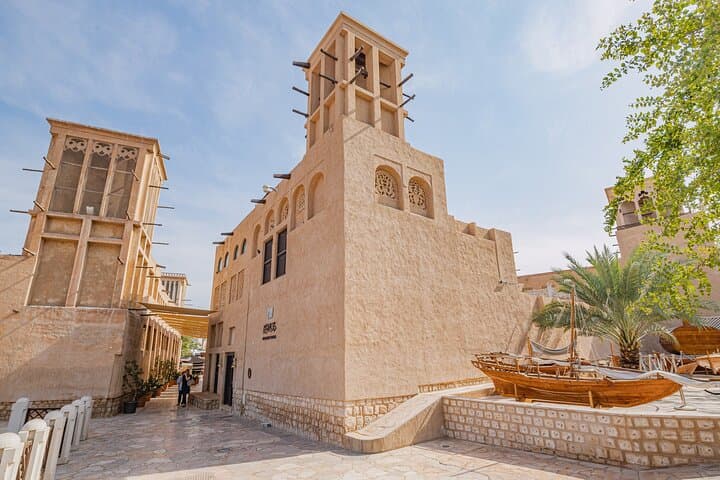
Early light slides down narrow lanes of the Al Fahidi Historical Neighbourhood, dust motes drifting across wind towers while the aroma of cumin and saffron threads through the air. Your guide leads you past the stone-faced Al Fahidi Fort — its walls keep the memory of pearling boats and small-scale trade — then down to Hindi Lane’s low storefronts where colors and conversation crowd the pavement.
Verified experiences and guided adventures in the surrounding area.
Operated by Opatrip.com United Arab Emirates · Dubai, Dubai
Early light slides down narrow lanes of the Al Fahidi Historical Neighbourhood, dust motes drifting across wind towers while the aroma of cumin and saffron threads through the air. Your guide leads you past the stone-faced Al Fahidi Fort — its walls keep the memory of pearling boats and small-scale trade — then down to Hindi Lane’s low storefronts where colors and conversation crowd the pavement.
This two-hour walk moves through layers of Dubai’s past and present. Al Fahidi (Al Bastakiya) preserves 19th-century merchant architecture and offers a concrete contrast to the city’s glass skyline. Dubai Creek, a tidal inlet from the Arabian Gulf, shaped the settlement’s economy: pearling, dhow trade and the bazaars that became today’s Gold and Spice souks. The Spice Souk’s piles of turmeric and dried limes announce regional trade routes; the Gold Souk presents a ritual of appraisal and exchange that has endured for generations.
Practicalities shape the experience: plan for roughly two hours on mostly flat pavement, wear breathable, modest clothing and sun protection, and expect crowded aisles in the souks. Morning or late afternoon avoids midday heat and delivers softer light for photos. Bring small bills for quick purchases, and be ready to haggle with respectful offers. Public transport (metro + short taxi or abra) and walking connect all stops — guides typically handle local entry fees included in the tour.
By the end, Dubai Creek’s wooden abras will beckon, urging you to cross and see the city from the water that built it — a simple, sensory close to a compact history lesson.
easy.
2 hours.
Suitable for most fitness levels; requires walking on flat, sometimes crowded sidewalks for about 1.5–2 miles total.
The guided itinerary runs about two hours, covering Al Fahidi, the souks, Hindi Lane and Dubai Creek with stops for photos and brief visits.
The tour notes exterior admiring of Dubai Museum at Al Fahidi Fort; check your booking details — some private tours include admission while others do not.
Yes — the route is low-impact and flat, suitable for most ages; advise informing the operator of mobility needs when booking.
Public transport is convenient: Al Fahidi Metro (Green Line) or a short taxi/abra ride from central Dubai; confirm the exact meeting spot with your operator.
Al Fahidi Fort (now Dubai Museum) dates to the late 18th century and sits at the heart of a trading settlement that grew around Dubai Creek; the creek enabled pearling and dhow trade that founded the city’s economy.
Dubai Creek faces urban pressure from tourism and development — use refillable containers, avoid single-use plastics, and follow local guidance to reduce impact on the waterway and birdlife.
Opatrip.com United Arab Emirates operates guided outdoor trips and adventures with an emphasis on safety, stewardship, and memorable experiences.
Early light slides down narrow lanes of the Al Fahidi Historical Neighbourhood, dust motes drifting across wind towers while the aroma of cumin and saffron threads through the air. Your guide leads you past the stone-faced Al Fahidi Fort — its walls keep the memory of pearling boats and small-scale trade — then down to Hindi Lane’s low storefronts where colors and conversation crowd the pavement.
Early light slides down narrow lanes of the Al Fahidi Historical Neighbourhood, dust motes drifting across wind towers while the aroma of cumin and saffron threads through the air. Your guide leads you past the stone-faced Al Fahidi Fort — its walls keep the memory of pearling boats and small-scale trade — then down to Hindi Lane’s low storefronts where colors and conversation crowd the pavement.
This two-hour walk moves through layers of Dubai’s past and present. Al Fahidi (Al Bastakiya) preserves 19th-century merchant architecture and offers a concrete contrast to the city’s glass skyline. Dubai Creek, a tidal inlet from the Arabian Gulf, shaped the settlement’s economy: pearling, dhow trade and the bazaars that became today’s Gold and Spice souks. The Spice Souk’s piles of turmeric and dried limes announce regional trade routes; the Gold Souk presents a ritual of appraisal and exchange that has endured for generations.
Practicalities shape the experience: plan for roughly two hours on mostly flat pavement, wear breathable, modest clothing and sun protection, and expect crowded aisles in the souks. Morning or late afternoon avoids midday heat and delivers softer light for photos. Bring small bills for quick purchases, and be ready to haggle with respectful offers. Public transport (metro + short taxi or abra) and walking connect all stops — guides typically handle local entry fees included in the tour.
By the end, Dubai Creek’s wooden abras will beckon, urging you to cross and see the city from the water that built it — a simple, sensory close to a compact history lesson.