THE ADVENTURE COLLECTIVE® · Independent discovery and booking for outdoor travel

Move between Old Dubai’s creekside alleys and the city’s futuristic coastline on a private guided tour that mixes market bargaining, a short abra ride, and skyline photo stops. Ideal for first-time visitors who want context and convenience in one seven-hour experience.
Move between Old Dubai’s creekside alleys and the city’s futuristic coastline on a private guided tour that mixes market bargaining, a short abra ride, and skyline photo stops. Ideal for first-time visitors who want context and convenience in one seven-hour experience.
The morning air over Dubai Creek feels like an invitation: the call of vendors, the clack of wooden abra oars, and the skyline simmering into view as the city wakes. On this private guided tour you move from the low-rise wind-tower lanes of Al Fahidi into the busy souks on Deira’s waterfront, then accelerate forward in time past gleaming marinas and the sail-shaped Burj Al Arab to the man-made curve of Palm Jumeirah and the towering Burj Khalifa.
Verified experiences and guided adventures in the surrounding area.
Operated by Royal Gateway Tourism · Dubai, Dubai
The morning air over Dubai Creek feels like an invitation: the call of vendors, the clack of wooden abra oars, and the skyline simmering into view as the city wakes. On this private guided tour you move from the low-rise wind-tower lanes of Al Fahidi into the busy souks on Deira’s waterfront, then accelerate forward in time past gleaming marinas and the sail-shaped Burj Al Arab to the man-made curve of Palm Jumeirah and the towering Burj Khalifa.
Dubai’s story is visible at every turn. What began as a 19th-century fishing and pearling hub along the sheltered creek expanded through trade and oil revenues into rapid coastal reclamation and high-rise engineering. Geologically this coast is flat and sandy; much of the shoreline—Palm Jumeirah, The Pointe—was formed by large-scale land reclamation, which transformed tidal flats into islands and promenades.
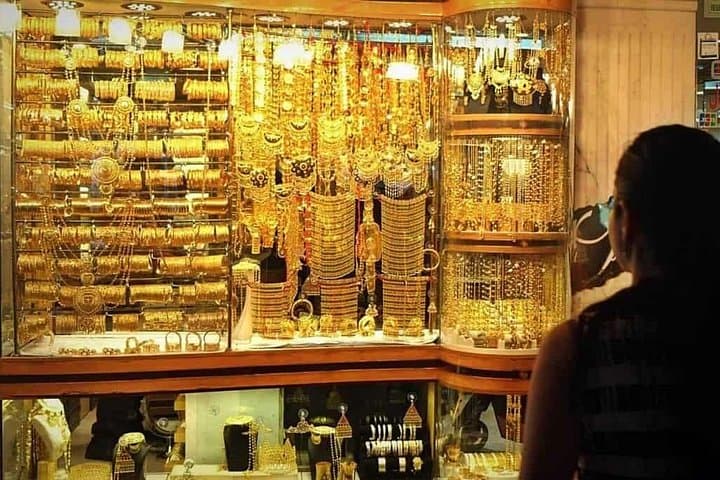
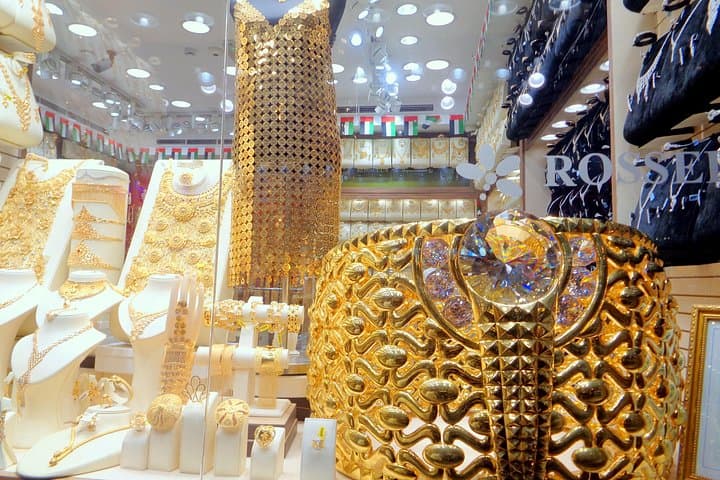
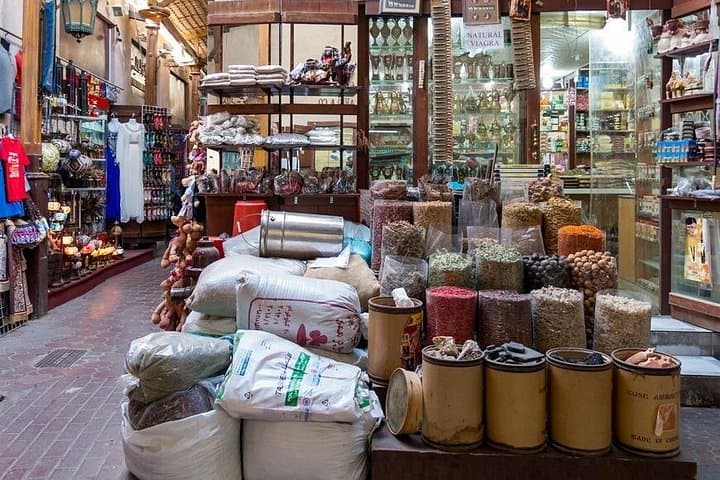
Culturally, the tour balances traditional commerce—spice stalls, gold vendors, the ritual of the abra—with modern consumer spectacle in malls and hotel courtyards. Expect hands-on moments: bargaining tips in the souk, a brief abra crossing, and photo stops at the Burj Al Arab and Atlantis.
Practical guidance: wear sturdy, breathable shoes for uneven market alleys and light layers for indoor A/C contrast. Carry sun protection and a small amount of cash for small purchases in souks; vendors often prefer dirhams for haggling. Mornings or late afternoons are best for milder temperatures and softer light for photographs. The tour runs about seven hours with transport included and requires a moderate fitness level for walking and short standing periods. Hydrate regularly — the city’s humidity and sun can drain energy faster than the mile markers indicate.
moderate.
7 hours.
Moderately fit: able to walk and stand for several short periods, navigate uneven market alleys, and board a short abra crossing.
Yes—transportation is included for the duration of the seven-hour private tour; confirm your pickup point when booking.
Children can join; infants must sit on an adult’s lap per the provider, and the pace includes walking suitable for school-age kids with moderate stamina.
The itinerary notes admissions as not included for most public sites—confirm specific entry fees (e.g., Burj Khalifa observation deck) with your guide ahead of time.
Private format typically allows flexibility—discuss alternate stops or timing with your guide when you confirm your booking.
Dubai grew from a 19th-century creek-side pearling and trading community; the creek remains a cultural spine even as skyscrapers defined the 20th and 21st centuries.
Rapid coastal development has stressed local marine and wetland habitats; Ras Al Khor serves as a protected feeding ground for migratory birds and underscores ongoing conservation efforts.
Royal Gateway Tourism operates guided outdoor trips and adventures with an emphasis on safety, stewardship, and memorable experiences.
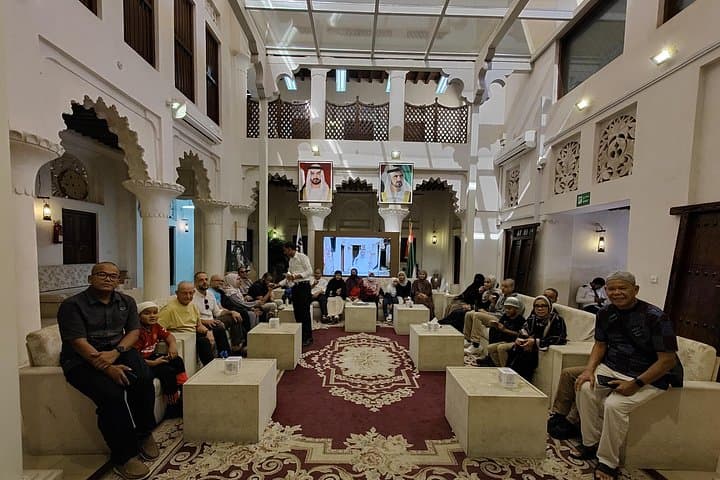
The morning air over Dubai Creek feels like an invitation: the call of vendors, the clack of wooden abra oars, and the skyline simmering into view as the city wakes. On this private guided tour you move from the low-rise wind-tower lanes of Al Fahidi into the busy souks on Deira’s waterfront, then accelerate forward in time past gleaming marinas and the sail-shaped Burj Al Arab to the man-made curve of Palm Jumeirah and the towering Burj Khalifa.
The morning air over Dubai Creek feels like an invitation: the call of vendors, the clack of wooden abra oars, and the skyline simmering into view as the city wakes. On this private guided tour you move from the low-rise wind-tower lanes of Al Fahidi into the busy souks on Deira’s waterfront, then accelerate forward in time past gleaming marinas and the sail-shaped Burj Al Arab to the man-made curve of Palm Jumeirah and the towering Burj Khalifa.
Dubai’s story is visible at every turn. What began as a 19th-century fishing and pearling hub along the sheltered creek expanded through trade and oil revenues into rapid coastal reclamation and high-rise engineering. Geologically this coast is flat and sandy; much of the shoreline—Palm Jumeirah, The Pointe—was formed by large-scale land reclamation, which transformed tidal flats into islands and promenades.
Culturally, the tour balances traditional commerce—spice stalls, gold vendors, the ritual of the abra—with modern consumer spectacle in malls and hotel courtyards. Expect hands-on moments: bargaining tips in the souk, a brief abra crossing, and photo stops at the Burj Al Arab and Atlantis.
Practical guidance: wear sturdy, breathable shoes for uneven market alleys and light layers for indoor A/C contrast. Carry sun protection and a small amount of cash for small purchases in souks; vendors often prefer dirhams for haggling. Mornings or late afternoons are best for milder temperatures and softer light for photographs. The tour runs about seven hours with transport included and requires a moderate fitness level for walking and short standing periods. Hydrate regularly — the city’s humidity and sun can drain energy faster than the mile markers indicate.