THE ADVENTURE COLLECTIVE® · Independent discovery and booking for outdoor travel

Spend a half-day learning scuba basics and completing a guided open-water dive off Caracasbaai in Curaçao. This beginner-friendly session includes confined-water skills and a supervised dive to 12 meters with possible turtle sightings.
Spend a half-day learning scuba basics and completing a guided open-water dive off Caracasbaai in Curaçao. This beginner-friendly session includes confined-water skills and a supervised dive to 12 meters with possible turtle sightings.
A morning at Caracasbaai begins with the sea flat as glass and the tang of salt sharpening the air. Participants gather on a small dock for a concise classroom session—pressure, buoyancy and safety briefings laid out clearly—before walking into shallow, protected water to practice mask clearing, regulator recovery and equalization. When the group is comfortable, each diver descends in turn for a guided open-water dive that explores coral outcrops and seagrass flats to a maximum depth of 12 meters (40 ft).
Verified experiences and guided adventures in the surrounding area.
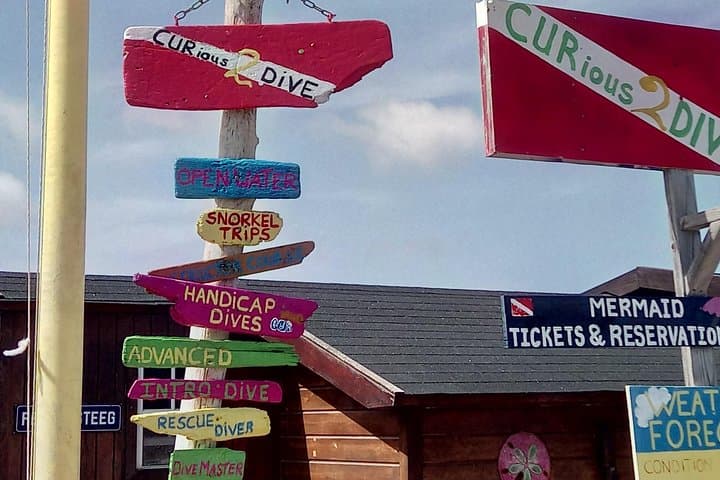
Operated by CURious2DIVE · Willemstad, Curaçao
A morning at Caracasbaai begins with the sea flat as glass and the tang of salt sharpening the air. Participants gather on a small dock for a concise classroom session—pressure, buoyancy and safety briefings laid out clearly—before walking into shallow, protected water to practice mask clearing, regulator recovery and equalization. When the group is comfortable, each diver descends in turn for a guided open-water dive that explores coral outcrops and seagrass flats to a maximum depth of 12 meters (40 ft).
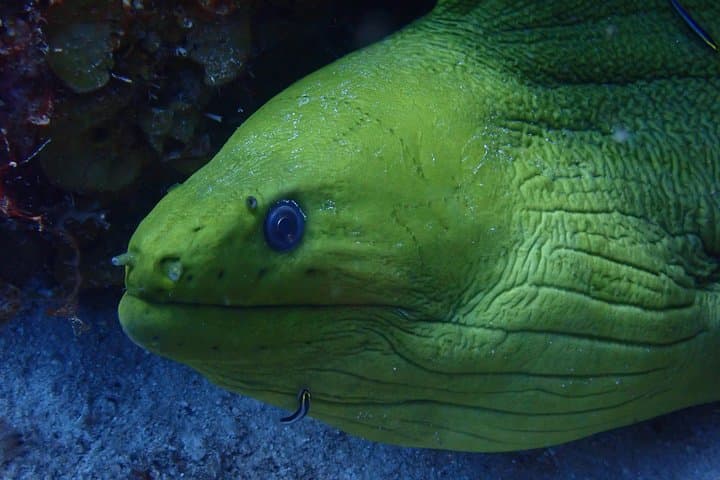
Curaçao’s reefs are part of the southern Caribbean bank, shaped by ancient limestone terraces and steady trade winds. Willemstad’s colonial past left a mix of Dutch architecture and Afro-Caribbean culture along the shoreline; dive operators here are used to welcoming international guests and pointing out local marine life like hawksbill turtles and parrotfish.
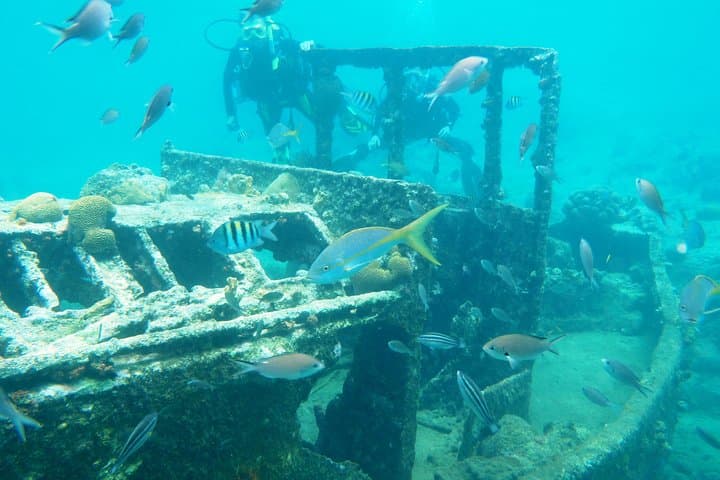
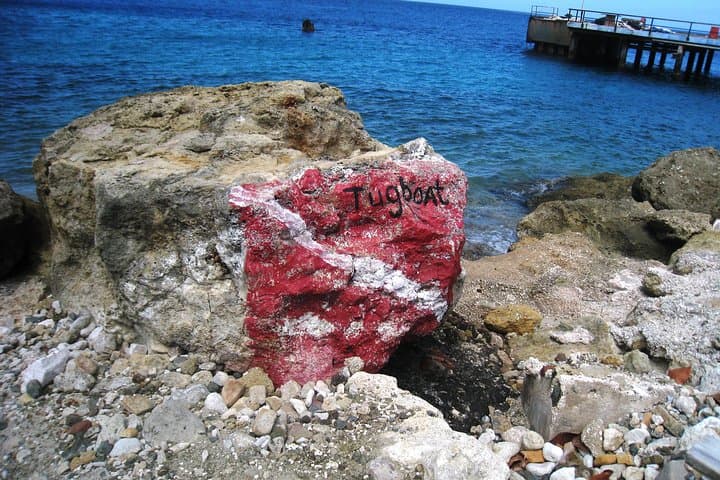
Expect a roughly four-hour window from brief to surface, with confined-water exercises followed by a single guided dive. Groups are small and equipment is provided; instructors lead skills demonstrations then supervise individual descents. The site choices—Caracasbaai or a nearby tugboat wreck—offer calm entry and clear visibility, though conditions vary with swell and wind.
Practical notes: arrive hydrated and sun-protected, bring swimwear, and arrive with a light breakfast. If you have any cardiovascular issues or are pregnant, this is not recommended. Listen closely during the theory segment and ask to rehearse any skill until you’re comfortable; instructors will keep the pace measured. Respect the reef—no touching or fin-kicking over coral—and the experience becomes both safe and unforgettable.
easy.
4 hours.
Suitable for people in basic physical condition who can swim and follow short, repeated instructions; not suitable for those with serious heart or respiratory conditions.
No—this introductory session is designed for beginners; instructors teach confined-water skills before the guided open-water dive.
The guided dive will descend to a maximum of 12 meters (40 feet), appropriate for introductory open-water experiences.
Yes, standard scuba gear (BCD, regulator, tank, weights) is provided; you may bring your own mask or snorkel if preferred.
This activity is not recommended for pregnant travelers or those with serious cardiovascular or respiratory conditions; disclose health issues during booking.
Curaçao’s fringing reefs formed on carbonate platforms; Willemstad grew as a Dutch colonial port with a maritime culture that shaped local fishing and dive traditions.
Operators encourage reef-safe sunscreen, no-contact policies, and briefings on buoyancy control to reduce coral damage and disturbance to marine life.
CURious2DIVE operates guided outdoor trips and adventures with an emphasis on safety, stewardship, and memorable experiences.
A morning at Caracasbaai begins with the sea flat as glass and the tang of salt sharpening the air. Participants gather on a small dock for a concise classroom session—pressure, buoyancy and safety briefings laid out clearly—before walking into shallow, protected water to practice mask clearing, regulator recovery and equalization. When the group is comfortable, each diver descends in turn for a guided open-water dive that explores coral outcrops and seagrass flats to a maximum depth of 12 meters (40 ft).
A morning at Caracasbaai begins with the sea flat as glass and the tang of salt sharpening the air. Participants gather on a small dock for a concise classroom session—pressure, buoyancy and safety briefings laid out clearly—before walking into shallow, protected water to practice mask clearing, regulator recovery and equalization. When the group is comfortable, each diver descends in turn for a guided open-water dive that explores coral outcrops and seagrass flats to a maximum depth of 12 meters (40 ft).
Curaçao’s reefs are part of the southern Caribbean bank, shaped by ancient limestone terraces and steady trade winds. Willemstad’s colonial past left a mix of Dutch architecture and Afro-Caribbean culture along the shoreline; dive operators here are used to welcoming international guests and pointing out local marine life like hawksbill turtles and parrotfish.
Expect a roughly four-hour window from brief to surface, with confined-water exercises followed by a single guided dive. Groups are small and equipment is provided; instructors lead skills demonstrations then supervise individual descents. The site choices—Caracasbaai or a nearby tugboat wreck—offer calm entry and clear visibility, though conditions vary with swell and wind.
Practical notes: arrive hydrated and sun-protected, bring swimwear, and arrive with a light breakfast. If you have any cardiovascular issues or are pregnant, this is not recommended. Listen closely during the theory segment and ask to rehearse any skill until you’re comfortable; instructors will keep the pace measured. Respect the reef—no touching or fin-kicking over coral—and the experience becomes both safe and unforgettable.