THE ADVENTURE COLLECTIVE® · Independent discovery and booking for outdoor travel

Swap a guided group for a personal soundtrack: Autio’s Denver stories turn neighborhoods into living scenes, pairing local voices with GPS-activated history and culture. Use the app to tailor walks, detours, and return visits across 30 days of access.
Swap a guided group for a personal soundtrack: Autio’s Denver stories turn neighborhoods into living scenes, pairing local voices with GPS-activated history and culture. Use the app to tailor walks, detours, and return visits across 30 days of access.
You start the tour where you are—on a bite of sidewalk, beneath a mural, or outside a coffee shop in LoDo—and the city begins to speak through someone else’s voice. Autio’s audio tour for Denver drops narration into your headphones: locals, musicians, actors and historians layering context over the clang of light rail, the gull call at Confluence Park, and the distant bruise of traffic on Speer Boulevard.
Verified experiences and guided adventures in the surrounding area.
Operated by Autio · Denver, Colorado
You start the tour where you are—on a bite of sidewalk, beneath a mural, or outside a coffee shop in LoDo—and the city begins to speak through someone else’s voice. Autio’s audio tour for Denver drops narration into your headphones: locals, musicians, actors and historians layering context over the clang of light rail, the gull call at Confluence Park, and the distant bruise of traffic on Speer Boulevard.
Walk through lower downtown and the guide switches from frontier anecdotes about Denver’s 1858 gold rush to the iron skeleton of Victorian warehouses that became craft breweries and tech offices. The narration is specific—names, dates, neighborhood rivalries—so a mural becomes a clue, an alley a chapter rather than a backdrop. When the track turns west toward Red Rocks, the rocks themselves are described with geological plainness: Dakota Sandstone tilted and worn, a theatre carved by uplift and time. The narrator gives the place a personality: the amphitheater that keeps secrets of sold-out shows and midnight practices.
Autio trades a one-size-fits-all city walk for modular listening. Stories branch—music history at Red Rocks, a stop on statehouse architecture, or an oral history of RiNo’s murals—so travelers can shape a day around interests rather than a rigid schedule. The app’s 30-day access also turns a single visit into a slow visit: play a neighborhood now, come back for the markets and the parks later. For visitors who care about accessibility, the content is usable while seated on a bench or rolling along the sidewalk; for curious travelers who prefer a paced stroll, the app rewards wandering.
Practical edge: street surfaces vary—brick alleys and concrete promenades—so pack shoes that can handle uneven blocks and a phone battery that can keep the narration running. Data use is modest for streaming, but downloading when on Wi‑Fi is possible and recommended for long stretches away from coverage. Because the stories are location-activated, give the app permission to use GPS and check that your phone’s location settings are on.
Autio’s format also encourages cultural engagement: local storytellers, musicians, and civic voices populate the tracks. That means you don’t just see Denver—you hear the debates about development, the pride in community gardens, the memory of long-standing venues. For planning: map a loop before you hit play, mind peak hours around transit hubs, and leave room for detours—the stories often point to a cafe, a gallery, or a viewpoint that rewards curiosity.
Where a guidebook lists sites, Autio provides a human scale: the city’s skyline leans in and tells you why a building matters. It’s a self-directed, human-powered way to learn a city’s history without losing the freedom to wander.
easy.
Flexible — sessions 1–6 hours; 30 days access.
Suitable for all fitness levels; expect walking on urban sidewalks and occasional short hills
You’ll receive a code and a download link; redeem the code in the Autio app to unlock Denver stories for 30 days.
Streaming uses data; you can download stories on Wi‑Fi ahead of time to avoid data use and ensure uninterrupted playback.
Yes—content is suitable for all mobility levels and can be played while stationary or rolling; check each neighborhood for curb ramps and crossing signals.
Each purchase is one code; if traveling in a group, check Autio’s sharing options or purchase multiple passes to provide individualized experiences.
The Denver collection is primarily in English; check the Autio app for additional language tracks or translated stories.
Sales are final—refunds are not offered, so confirm dates and device compatibility before purchasing.
Denver began as a mining and trading hub during the 1858 Pikes Peak Gold Rush; many downtown buildings retain their 19th-century bones even as neighborhoods have reimagined them.
Use digital guides to minimize physical signage and support local businesses highlighted by narrators; practice Leave No Trace in parks and respect private property when following detours.
Autio operates guided outdoor trips and adventures with an emphasis on safety, stewardship, and memorable experiences.
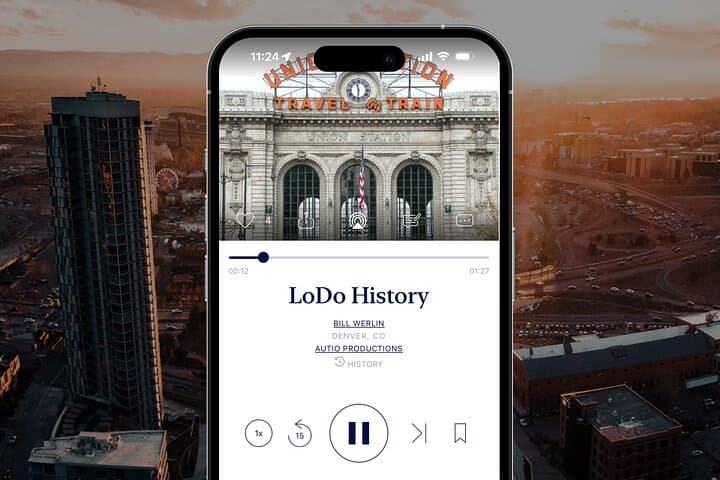
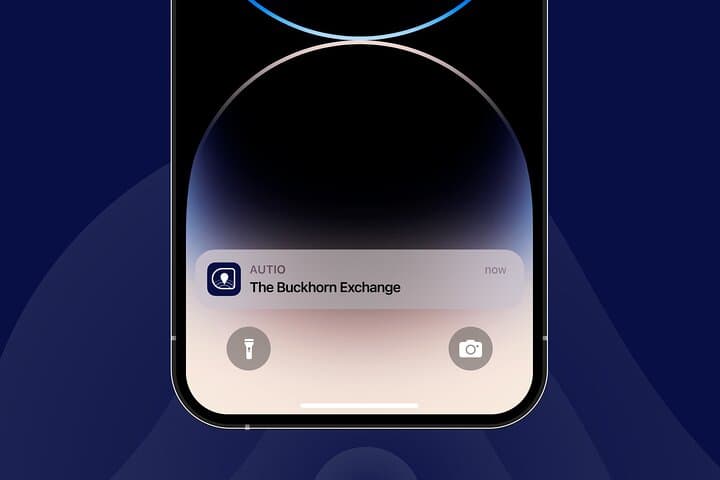
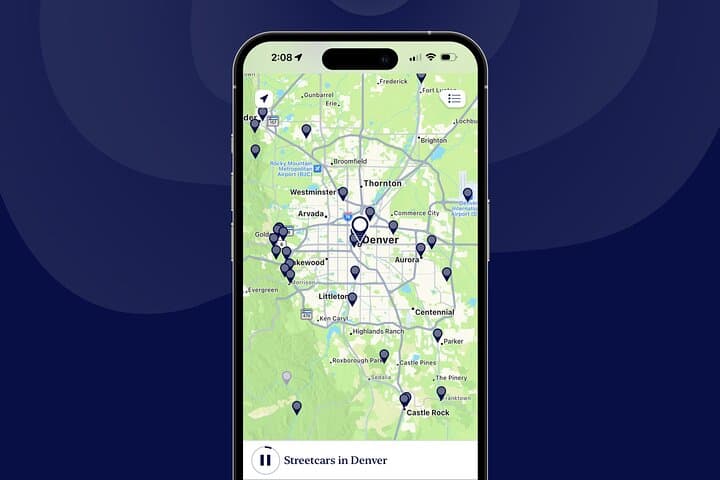
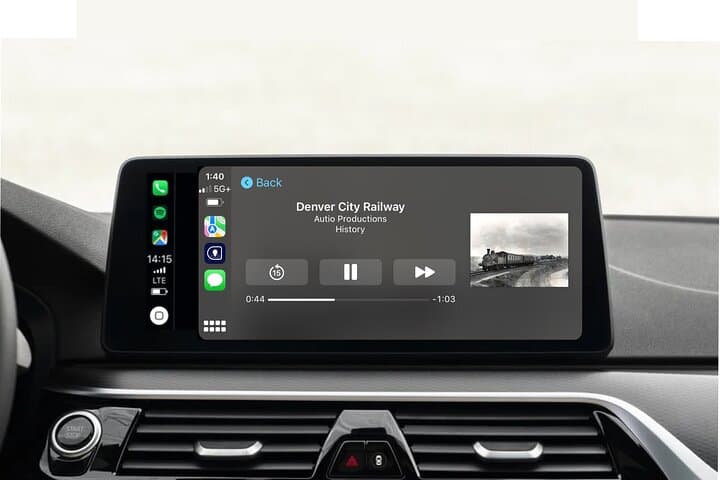
You start the tour where you are—on a bite of sidewalk, beneath a mural, or outside a coffee shop in LoDo—and the city begins to speak through someone else’s voice. Autio’s audio tour for Denver drops narration into your headphones: locals, musicians, actors and historians layering context over the clang of light rail, the gull call at Confluence Park, and the distant bruise of traffic on Speer Boulevard.
You start the tour where you are—on a bite of sidewalk, beneath a mural, or outside a coffee shop in LoDo—and the city begins to speak through someone else’s voice. Autio’s audio tour for Denver drops narration into your headphones: locals, musicians, actors and historians layering context over the clang of light rail, the gull call at Confluence Park, and the distant bruise of traffic on Speer Boulevard.
Walk through lower downtown and the guide switches from frontier anecdotes about Denver’s 1858 gold rush to the iron skeleton of Victorian warehouses that became craft breweries and tech offices. The narration is specific—names, dates, neighborhood rivalries—so a mural becomes a clue, an alley a chapter rather than a backdrop. When the track turns west toward Red Rocks, the rocks themselves are described with geological plainness: Dakota Sandstone tilted and worn, a theatre carved by uplift and time. The narrator gives the place a personality: the amphitheater that keeps secrets of sold-out shows and midnight practices.
Autio trades a one-size-fits-all city walk for modular listening. Stories branch—music history at Red Rocks, a stop on statehouse architecture, or an oral history of RiNo’s murals—so travelers can shape a day around interests rather than a rigid schedule. The app’s 30-day access also turns a single visit into a slow visit: play a neighborhood now, come back for the markets and the parks later. For visitors who care about accessibility, the content is usable while seated on a bench or rolling along the sidewalk; for curious travelers who prefer a paced stroll, the app rewards wandering.
Practical edge: street surfaces vary—brick alleys and concrete promenades—so pack shoes that can handle uneven blocks and a phone battery that can keep the narration running. Data use is modest for streaming, but downloading when on Wi‑Fi is possible and recommended for long stretches away from coverage. Because the stories are location-activated, give the app permission to use GPS and check that your phone’s location settings are on.
Autio’s format also encourages cultural engagement: local storytellers, musicians, and civic voices populate the tracks. That means you don’t just see Denver—you hear the debates about development, the pride in community gardens, the memory of long-standing venues. For planning: map a loop before you hit play, mind peak hours around transit hubs, and leave room for detours—the stories often point to a cafe, a gallery, or a viewpoint that rewards curiosity.
Where a guidebook lists sites, Autio provides a human scale: the city’s skyline leans in and tells you why a building matters. It’s a self-directed, human-powered way to learn a city’s history without losing the freedom to wander.