THE ADVENTURE COLLECTIVE® · Independent discovery and booking for outdoor travel

A five-day circuit from Cusco that blends Inca archaeology, Sacred Valley markets and the high-altitude spectacle of Vinicunca (Rainbow Mountain). Expect guided tours, train and bus transfers, and a challenging high-pass hike.
A five-day circuit from Cusco that blends Inca archaeology, Sacred Valley markets and the high-altitude spectacle of Vinicunca (Rainbow Mountain). Expect guided tours, train and bus transfers, and a challenging high-pass hike.
The first light over the Plaza de Armas catches cathedral stone and the worn steps of Koricancha, and the air already tastes like altitude and roasted corn. On this five-day loop through Cusco’s highlands, travelers move from narrow colonial streets to Andean ridgelines, trading city bustle for terraces carved into mountain flanks.
Verified experiences and guided adventures in the surrounding area.
Operated by Peru Friendly travel · Cusco, Cusco
The first light over the Plaza de Armas catches cathedral stone and the worn steps of Koricancha, and the air already tastes like altitude and roasted corn. On this five-day loop through Cusco’s highlands, travelers move from narrow colonial streets to Andean ridgelines, trading city bustle for terraces carved into mountain flanks.
Cusco was the political and spiritual heart of the Inca Empire; nearby ruins at Sacsayhuamán, Tambomachay and Pisac reveal engineering that channels water and aligns with solar events. Geologically the Sacred Valley sits in a deep Andean trough where glacial sculpting and river incision expose layered volcanic and sedimentary beds—good footing along terraces but thin air above 3,400 m.
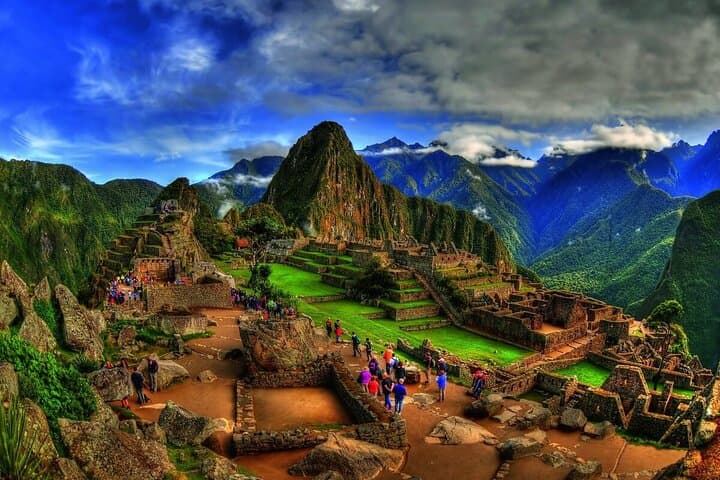
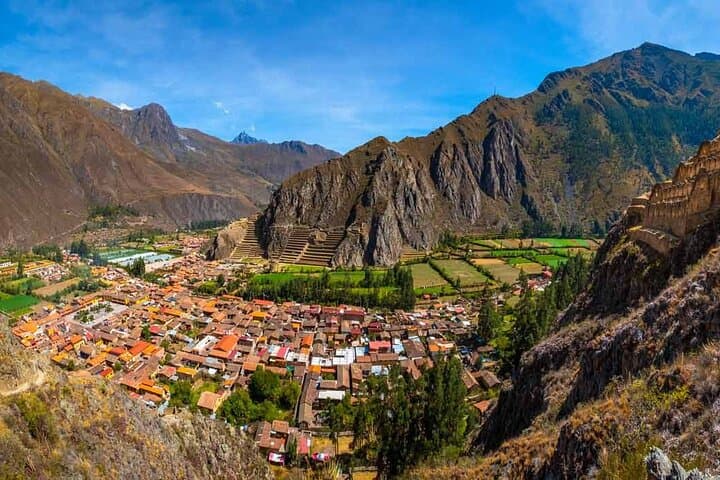
Days alternate between cultural immersion and active exploration: market time in Pisac, the living fortress of Ollantaytambo, a guided two-hour circuit inside Machu Picchu (2,430 m) accessed by a 25-minute bus ride from Aguas Calientes and a 1.5–2 hour train from Ollantaytambo. The Rainbow Mountain day starts near Pitumarca and involves a 2–3 hour hike with roughly 600–800 m of elevation gain to 5,029 m; horses are available for hire.
Practical edge: plan at least one full day in Cusco to acclimatize, sip coca tea, and test walking at 3,300–3,800 m before higher climbs. Pack layered insulating clothing, sun protection, and a hydration system for cold, dry air. Expect early starts, uneven stone stairways, and variable weather—clear mornings can turn to brisk rain by afternoon. Respect trail limits at Machu Picchu, carry out waste, and move deliberately on steep high-altitude sections.
moderate.
5 days.
Participants should have moderate fitness — able to walk 2–4 hours on uneven terrain at high altitude and tolerate daily transfers.
Yes — Cusco and many sites sit above 3,000 m. Allow a day to acclimatize, stay hydrated, avoid heavy meals and alcohol on arrival, and consult a physician about preventive medication.
This itinerary includes train tickets and entrance to specified archaeological sites, but personal purchases in markets and optional services (horse rental at Vinicunca) are extra.
Expect a 2–3 hour climb with 600–800 m elevation gain to 5,029 m; the trail is steep with thin air — horses are available for those who prefer assistance.
Comfortable, broken-in hiking or trail shoes with good grip are best; rigid trekking boots are useful if you plan more off-trail exploration.
Cusco was the Inca capital and remains rich in stone masonry like Sacsayhuamán and agricultural terraces that illustrate pre-Columbian engineering.
Machu Picchu and high puna zones have strict visitor limits and trail rules—stay on paths, don’t feed animals, and pack out waste to protect fragile vegetation.
Peru Friendly travel operates guided outdoor trips and adventures with an emphasis on safety, stewardship, and memorable experiences.


The first light over the Plaza de Armas catches cathedral stone and the worn steps of Koricancha, and the air already tastes like altitude and roasted corn. On this five-day loop through Cusco’s highlands, travelers move from narrow colonial streets to Andean ridgelines, trading city bustle for terraces carved into mountain flanks.
The first light over the Plaza de Armas catches cathedral stone and the worn steps of Koricancha, and the air already tastes like altitude and roasted corn. On this five-day loop through Cusco’s highlands, travelers move from narrow colonial streets to Andean ridgelines, trading city bustle for terraces carved into mountain flanks.
Cusco was the political and spiritual heart of the Inca Empire; nearby ruins at Sacsayhuamán, Tambomachay and Pisac reveal engineering that channels water and aligns with solar events. Geologically the Sacred Valley sits in a deep Andean trough where glacial sculpting and river incision expose layered volcanic and sedimentary beds—good footing along terraces but thin air above 3,400 m.
Days alternate between cultural immersion and active exploration: market time in Pisac, the living fortress of Ollantaytambo, a guided two-hour circuit inside Machu Picchu (2,430 m) accessed by a 25-minute bus ride from Aguas Calientes and a 1.5–2 hour train from Ollantaytambo. The Rainbow Mountain day starts near Pitumarca and involves a 2–3 hour hike with roughly 600–800 m of elevation gain to 5,029 m; horses are available for hire.
Practical edge: plan at least one full day in Cusco to acclimatize, sip coca tea, and test walking at 3,300–3,800 m before higher climbs. Pack layered insulating clothing, sun protection, and a hydration system for cold, dry air. Expect early starts, uneven stone stairways, and variable weather—clear mornings can turn to brisk rain by afternoon. Respect trail limits at Machu Picchu, carry out waste, and move deliberately on steep high-altitude sections.