THE ADVENTURE COLLECTIVE® · Independent discovery and booking for outdoor travel

Ride historic cable cars, explore cliffside monasteries and hike to a hidden waterfall on a day trip to Chiatura. This outing blends Soviet industrial heritage, dramatic geology and authentic Georgian hospitality.
Ride historic cable cars, explore cliffside monasteries and hike to a hidden waterfall on a day trip to Chiatura. This outing blends Soviet industrial heritage, dramatic geology and authentic Georgian hospitality.
Fog lifts off the canyon as the cable car creaks forward; steel cables hum and the town of Chiatura drops away into a patchwork of rooftops and terraced slopes. The air smells of wet stone and manganese dust—the mineral that built this place—and visitors feel the town’s industrial past in every cable, stair and iron railing.
Verified experiences and guided adventures in the surrounding area.
Operated by Discover Georgia with Irene · Chiatura, Imereti
Fog lifts off the canyon as the cable car creaks forward; steel cables hum and the town of Chiatura drops away into a patchwork of rooftops and terraced slopes. The air smells of wet stone and manganese dust—the mineral that built this place—and visitors feel the town’s industrial past in every cable, stair and iron railing.
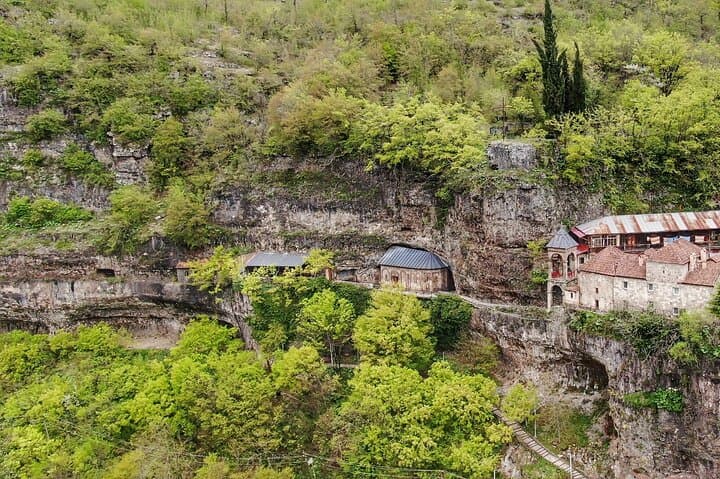
Chiatura grew around rich manganese seams in the late 19th and early 20th centuries, then expanded under Soviet industry. The town’s steep aerial ropeways, some of the oldest still in operation, were built to move workers and goods across dramatic terrain. Nearby, the Mghvimevi Monastery—carved into limestone cliffs and dating to medieval centuries—anchors a christian hermit tradition, while Katskhi Pillar, a towering limestone column crowned by a tiny chapel, recalls ascetic practices across the region.
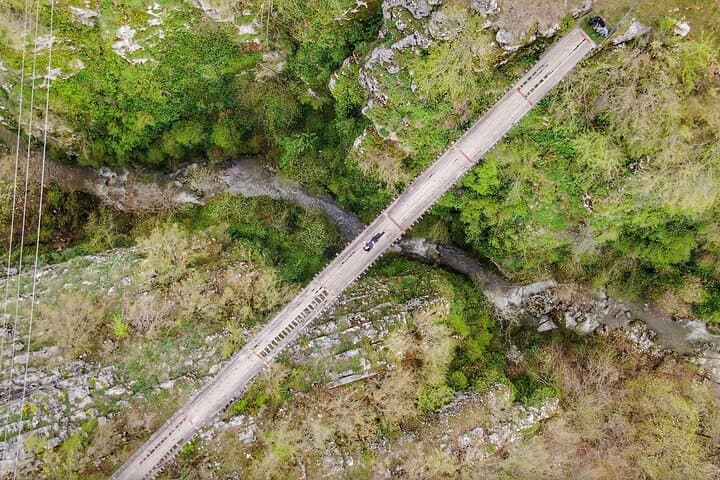
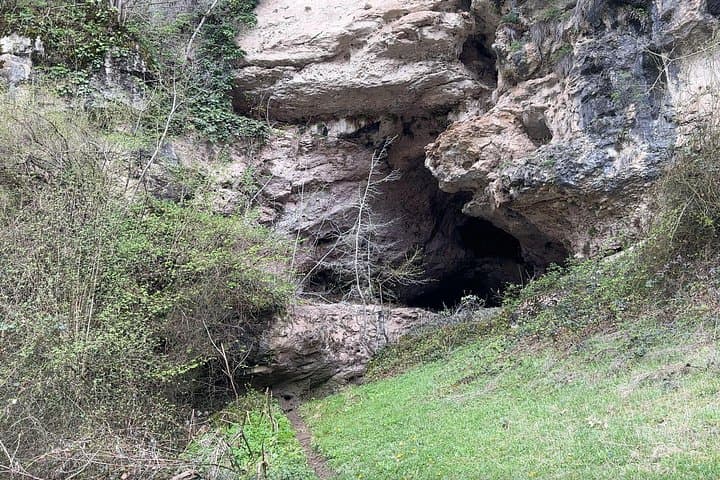
A day here mixes short hikes, a cave walk ending at a hidden waterfall, and crossings of suspension bridges that frame deep canyons. Trails are uneven rock and dirt; expect stair climbs and muddy sections in wet weather. Local families host lunches of khachapuri and slow-brewed tea, a practical counterpoint to the raw landscape.
Practical guidance: bring sturdy shoes, a waterproof layer and at least 2 liters of water; phone reception is patchy. The cable cars offer close-up views of rugged geology and 20th-century infrastructure—photographers will want a wide lens, and the tour often includes drone footage. Timing your visit in morning light keeps trails cooler and views clearer. This is an immersive day trip that pairs industrial history with hands-on exploration of Georgia’s limestone wilds.
moderate.
10 hours.
Suitable for travelers with moderate fitness—comfortable with several hours of walking, stairs and short hikes
This is a full-day excursion—around 10 hours including transport from Tbilisi, site visits and a family lunch.
The ropeways are historic but maintained for passenger use on guided tours; follow staff instructions and wear helmets if provided.
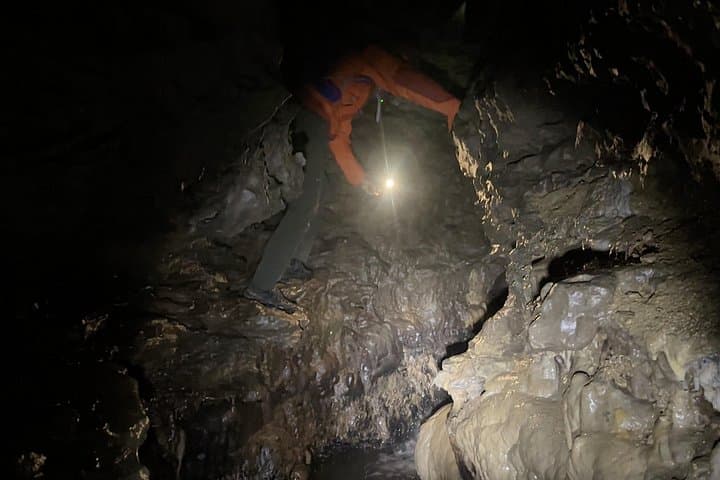
The cave approach involves uneven steps and some scrambling; travelers should be steady on their feet but no technical climbing is required.
Drone footage is often provided by the operator on this tour; if you plan to fly your own drone, check local regulations and obtain permissions.
Chiatura rose to prominence on the back of manganese mining in the late 19th century and developed extensive ropeway infrastructure under Soviet-era industry.
Visitors should stay on marked paths to protect fragile cliff-side vegetation and avoid leaving waste; local guides often support community-based tourism efforts.
Discover Georgia with Irene operates guided outdoor trips and adventures with an emphasis on safety, stewardship, and memorable experiences.
Fog lifts off the canyon as the cable car creaks forward; steel cables hum and the town of Chiatura drops away into a patchwork of rooftops and terraced slopes. The air smells of wet stone and manganese dust—the mineral that built this place—and visitors feel the town’s industrial past in every cable, stair and iron railing.
Fog lifts off the canyon as the cable car creaks forward; steel cables hum and the town of Chiatura drops away into a patchwork of rooftops and terraced slopes. The air smells of wet stone and manganese dust—the mineral that built this place—and visitors feel the town’s industrial past in every cable, stair and iron railing.
Chiatura grew around rich manganese seams in the late 19th and early 20th centuries, then expanded under Soviet industry. The town’s steep aerial ropeways, some of the oldest still in operation, were built to move workers and goods across dramatic terrain. Nearby, the Mghvimevi Monastery—carved into limestone cliffs and dating to medieval centuries—anchors a christian hermit tradition, while Katskhi Pillar, a towering limestone column crowned by a tiny chapel, recalls ascetic practices across the region.
A day here mixes short hikes, a cave walk ending at a hidden waterfall, and crossings of suspension bridges that frame deep canyons. Trails are uneven rock and dirt; expect stair climbs and muddy sections in wet weather. Local families host lunches of khachapuri and slow-brewed tea, a practical counterpoint to the raw landscape.
Practical guidance: bring sturdy shoes, a waterproof layer and at least 2 liters of water; phone reception is patchy. The cable cars offer close-up views of rugged geology and 20th-century infrastructure—photographers will want a wide lens, and the tour often includes drone footage. Timing your visit in morning light keeps trails cooler and views clearer. This is an immersive day trip that pairs industrial history with hands-on exploration of Georgia’s limestone wilds.