THE ADVENTURE COLLECTIVE® · Independent discovery and booking for outdoor travel

Three days through Cao Bang trace karst ridges, historical Pac Bo cave, and the thunder of Ban Gioc waterfall. This compact cultural and scenic tour pairs homestays and mountain passes with short hikes and village visits.
Three days through Cao Bang trace karst ridges, historical Pac Bo cave, and the thunder of Ban Gioc waterfall. This compact cultural and scenic tour pairs homestays and mountain passes with short hikes and village visits.
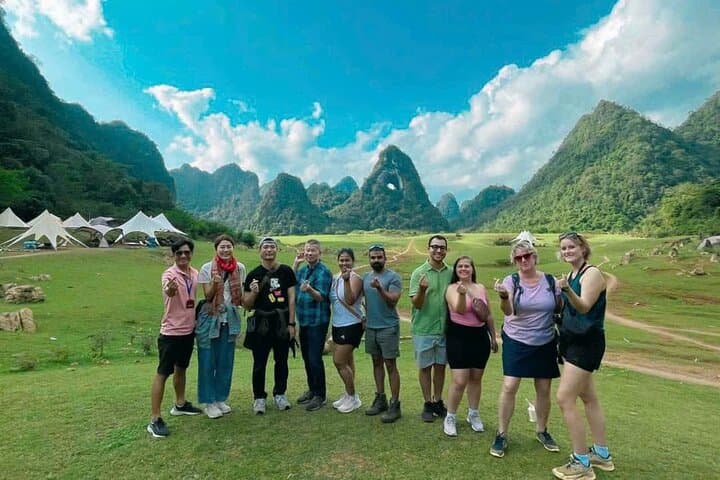
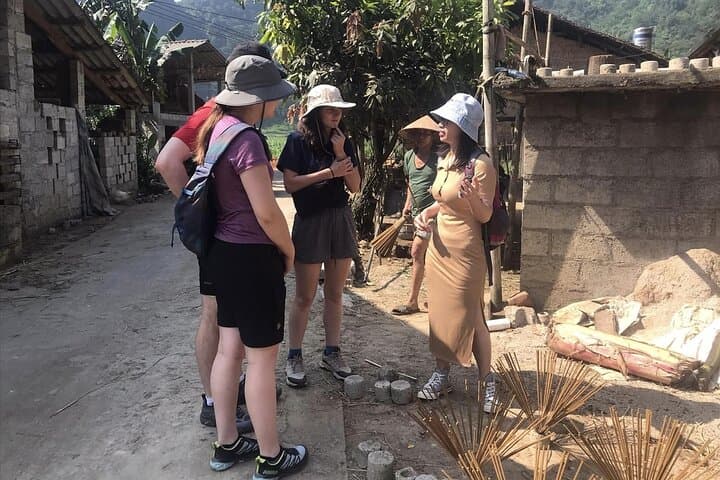
Dawn on the sleeper bus gives way to a palette of limestone spires and green valleys as you arrive in Cao Bang — mist hugging the lowlands, rivers daring you to follow their curves. Over three days the landscape moves from high passes and bamboo groves to the thunder of Ban Gioc waterfall, while village trails thread through Tay and Nung hamlets where everyday life unfolds openly.
Verified experiences and guided adventures in the surrounding area.
Operated by Authentic Travel Ho Chi Minh · Cao Bang, Cao Bang Province
Dawn on the sleeper bus gives way to a palette of limestone spires and green valleys as you arrive in Cao Bang — mist hugging the lowlands, rivers daring you to follow their curves. Over three days the landscape moves from high passes and bamboo groves to the thunder of Ban Gioc waterfall, while village trails thread through Tay and Nung hamlets where everyday life unfolds openly.
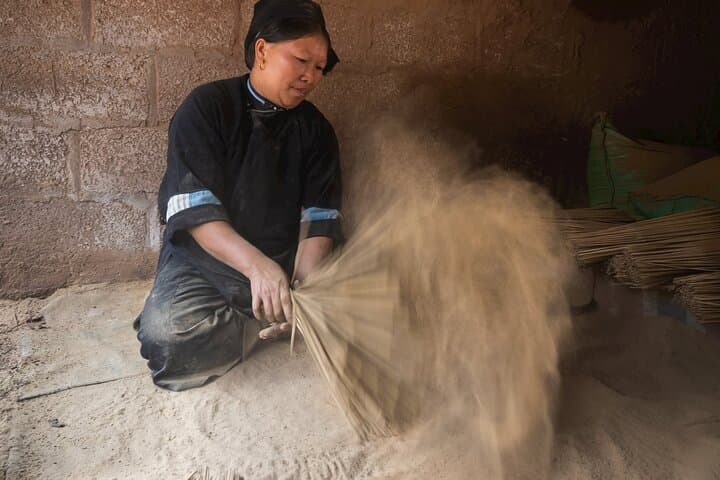
This region marks the borderlands of northern Vietnam; its geology is classic karst — steep limestone towers carved by water over millions of years. Pac Bo cave and its stream are layered with 20th-century history: Ho Chi Minh used this remote base during the independence movement. Local culture is visible in stilt houses, woven textiles, and market rhythms that anchor daily life.
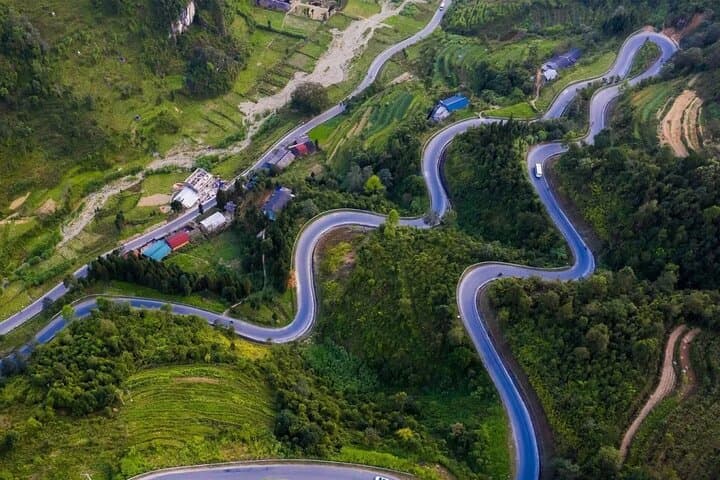
Expect easy to moderate walking between viewpoints, short treks to cascades, and time in simple homestays. Roads include mountain passes with hairpins; the tour mixes seated travel with on-foot exploration. Practical planning: bring grippy footwear for wet paths, a lightweight rain jacket, and a daypack for water and snacks. Hydration is important at higher passes where the air thins slightly and sun exposure increases.
Timing matters: early mornings deliver better light at Ban Gioc and cooler conditions on Me Pia Pass. Respect local customs—ask before photographing people—and carry local currency for markets and small fees. The payoff is immediate: a river that edges the border, waterfalls that roar like arriving weather, and evenings spent in homes where stories are shared over communal meals.
moderate.
3 days.
Suitable for travelers in average fitness—able to handle several short hikes, stairs in caves, and periods seated on winding roads.
The tour typically includes bus transfers from Hanoi, two nights’ accommodation in homestays, meals listed (three breakfasts, three lunches, two dinners), entrance fees for listed sites, and an English-speaking guide.
Most walks are short and accessible; expect stair sections in Nguom Ngao cave and uneven surfaces near waterfalls—participants should be steady on their feet.
Late autumn (October–November) and spring (March–April) offer cooler, clearer weather; avoid peak monsoon months if you want consistently dry trails.
No—this itinerary visits Ban Gioc Waterfall on the Vietnamese side; crossing the international border requires proper visas and is not included.
Pac Bo cave and surrounding streams are historically significant as a base used by Ho Chi Minh during the independence struggle in the 1940s.
Karst ecosystems and river corridors are sensitive to erosion and litter; stick to trails, avoid single-use plastics, and support local homestays to benefit communities.
Authentic Travel Ho Chi Minh operates guided outdoor trips and adventures with an emphasis on safety, stewardship, and memorable experiences.
Dawn on the sleeper bus gives way to a palette of limestone spires and green valleys as you arrive in Cao Bang — mist hugging the lowlands, rivers daring you to follow their curves. Over three days the landscape moves from high passes and bamboo groves to the thunder of Ban Gioc waterfall, while village trails thread through Tay and Nung hamlets where everyday life unfolds openly.
Dawn on the sleeper bus gives way to a palette of limestone spires and green valleys as you arrive in Cao Bang — mist hugging the lowlands, rivers daring you to follow their curves. Over three days the landscape moves from high passes and bamboo groves to the thunder of Ban Gioc waterfall, while village trails thread through Tay and Nung hamlets where everyday life unfolds openly.
This region marks the borderlands of northern Vietnam; its geology is classic karst — steep limestone towers carved by water over millions of years. Pac Bo cave and its stream are layered with 20th-century history: Ho Chi Minh used this remote base during the independence movement. Local culture is visible in stilt houses, woven textiles, and market rhythms that anchor daily life.
Expect easy to moderate walking between viewpoints, short treks to cascades, and time in simple homestays. Roads include mountain passes with hairpins; the tour mixes seated travel with on-foot exploration. Practical planning: bring grippy footwear for wet paths, a lightweight rain jacket, and a daypack for water and snacks. Hydration is important at higher passes where the air thins slightly and sun exposure increases.
Timing matters: early mornings deliver better light at Ban Gioc and cooler conditions on Me Pia Pass. Respect local customs—ask before photographing people—and carry local currency for markets and small fees. The payoff is immediate: a river that edges the border, waterfalls that roar like arriving weather, and evenings spent in homes where stories are shared over communal meals.