THE ADVENTURE COLLECTIVE® · Independent discovery and booking for outdoor travel

A focused four‑day small‑group tour of Cairo that pairs a Nile dinner cruise with the Giza Pyramids, Saqqara, Dahshour, Memphis, and the Egyptian Museum. Ideal for travelers who want concentrated history and local culture with private transfers and a professional guide.
A focused four‑day small‑group tour of Cairo that pairs a Nile dinner cruise with the Giza Pyramids, Saqqara, Dahshour, Memphis, and the Egyptian Museum. Ideal for travelers who want concentrated history and local culture with private transfers and a professional guide.
The first breath of Cairo on a Nile evening is a study in contrast: cargo lights, minarets cut against a low desert horizon, and the river pushing the city forward. On day one a dinner cruise on the Nile eases you into the pace — an upper deck sunset, an open buffet, and live Egyptian music that frames the coming days.
Verified experiences and guided adventures in the surrounding area.
Operated by Daily Tours Egypt · Cairo, Cairo Governorate
The first breath of Cairo on a Nile evening is a study in contrast: cargo lights, minarets cut against a low desert horizon, and the river pushing the city forward. On day one a dinner cruise on the Nile eases you into the pace — an upper deck sunset, an open buffet, and live Egyptian music that frames the coming days.
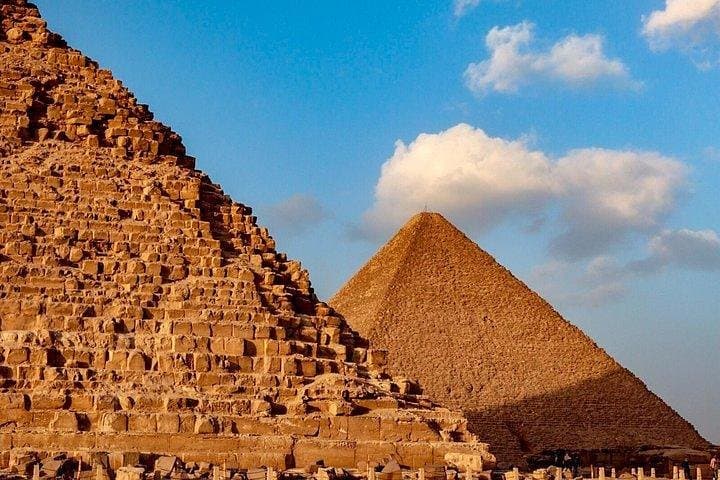
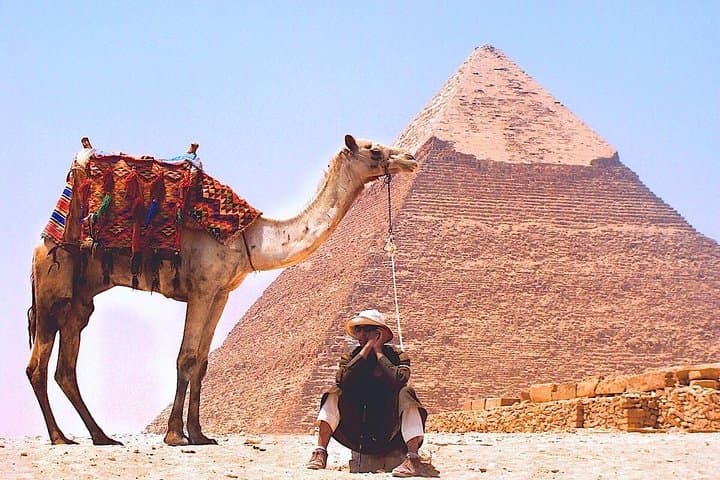
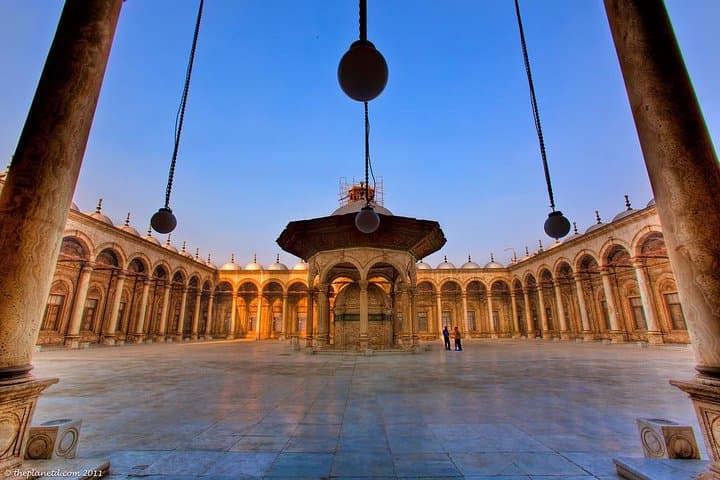
This four‑day route moves from Pharaonic stone to Ottoman courtyards. The Giza plateau sits on limestone bedrock carved by millennia of wind and sand; the Great Pyramid towers above a flat desert plain while Saqqara’s Step Pyramid marks a technological leap 4,700 years earlier. Memphis and Dahshour show Egypt’s shifting capitals; Cairo’s Islamic quarter and Khan El‑Khalili bazaar reveal how trade and faith shaped the modern metropolis.
Expect short drives between sites (Giza is roughly 20–25 km from central Cairo; Dahshour ~40 km south of the city), modest walking at open archaeological parks, and museum time with fragile displays. Cultural notes: modest dress in mosques, clear bargaining at bazaars, and polite tipping for guides and drivers.
Practical guidance: start early to avoid afternoon heat, carry cash in small bills for entry and markets, and book museum time if you want to linger over Tutankhamun artifacts. The small-group format and private transfers mean flexibility for mobility needs or extra photo stops, but plan for dusty conditions and strong sun — a shaded hat and reusable water bottle make the difference.
easy.
4 days.
Suitable for most fitness levels; requires walking on uneven ground and short stairs at sites.
Most entrance fees are not included by default; the itinerary shows many sites with admission marked as not included—confirm with the operator which tickets are covered when you book.
Yes — the tour lists hotel pickup and drop‑off by private vehicle as included, which simplifies logistics across Cairo’s traffic.
The operator notes wheelchair accessibility, but access at archaeological sites can be limited by uneven terrain; contact the provider to confirm needs for specific sites or vehicle access.
The itinerary mentions an English‑speaking guide and may offer multi‑lingual guides; confirm language availability at booking for other languages.
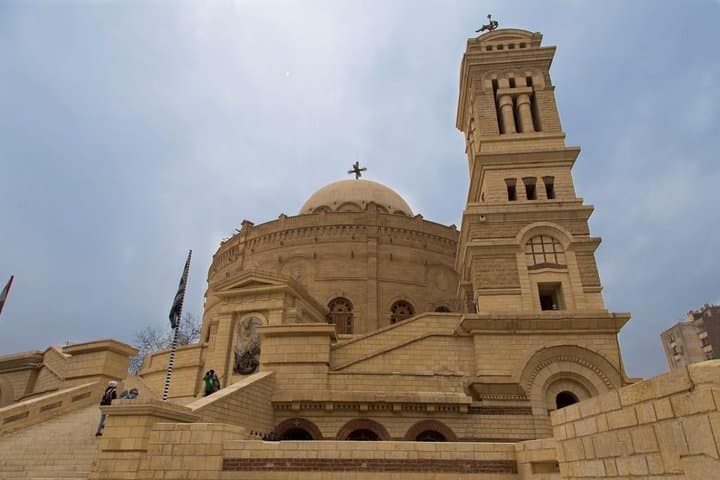
Cairo grew from a succession of capitals—ancient Memphis, medieval Fustat, and Mamluk‑era Cairo—creating layers of architecture from pharaonic stone to Ottoman minarets.
High visitor numbers stress fragile archaeological sites; stick to marked paths, avoid touching reliefs, and favor licensed guides to support sustainable site management.
Daily Tours Egypt operates guided outdoor trips and adventures with an emphasis on safety, stewardship, and memorable experiences.
The first breath of Cairo on a Nile evening is a study in contrast: cargo lights, minarets cut against a low desert horizon, and the river pushing the city forward. On day one a dinner cruise on the Nile eases you into the pace — an upper deck sunset, an open buffet, and live Egyptian music that frames the coming days.
The first breath of Cairo on a Nile evening is a study in contrast: cargo lights, minarets cut against a low desert horizon, and the river pushing the city forward. On day one a dinner cruise on the Nile eases you into the pace — an upper deck sunset, an open buffet, and live Egyptian music that frames the coming days.
This four‑day route moves from Pharaonic stone to Ottoman courtyards. The Giza plateau sits on limestone bedrock carved by millennia of wind and sand; the Great Pyramid towers above a flat desert plain while Saqqara’s Step Pyramid marks a technological leap 4,700 years earlier. Memphis and Dahshour show Egypt’s shifting capitals; Cairo’s Islamic quarter and Khan El‑Khalili bazaar reveal how trade and faith shaped the modern metropolis.
Expect short drives between sites (Giza is roughly 20–25 km from central Cairo; Dahshour ~40 km south of the city), modest walking at open archaeological parks, and museum time with fragile displays. Cultural notes: modest dress in mosques, clear bargaining at bazaars, and polite tipping for guides and drivers.
Practical guidance: start early to avoid afternoon heat, carry cash in small bills for entry and markets, and book museum time if you want to linger over Tutankhamun artifacts. The small-group format and private transfers mean flexibility for mobility needs or extra photo stops, but plan for dusty conditions and strong sun — a shaded hat and reusable water bottle make the difference.