THE ADVENTURE COLLECTIVE® · Independent discovery and booking for outdoor travel

Take a full day from Split to Brač to sample olive oil, try stone masonry, stand atop Vidova Gora and relax at Zlatni Rat Beach. This small-group tour blends short hikes, cultural stops and a family-style lunch for an efficient island introduction.
Take a full day from Split to Brač to sample olive oil, try stone masonry, stand atop Vidova Gora and relax at Zlatni Rat Beach. This small-group tour blends short hikes, cultural stops and a family-style lunch for an efficient island introduction.
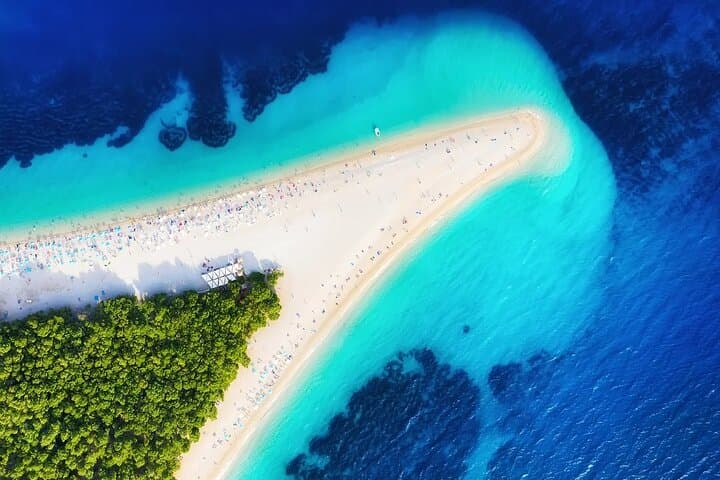
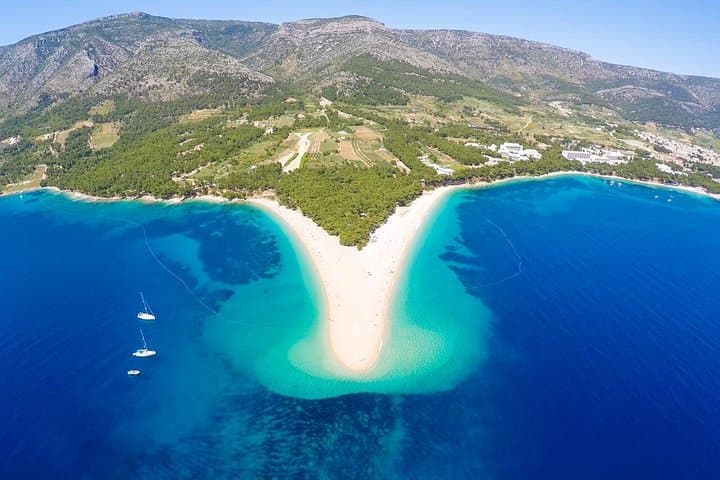
A morning ferry parts the sheen of the Adriatic and the island of Brač rises like a close-in horizon—white stone roofs, terraced olive groves and the distant triangular tip of Zlatni Rat pointing into blue. Travelers step ashore in Supetar and slip into a day that trades the rhythm of Split for village lanes, coastal spray and a short climb with a view.
Verified experiences and guided adventures in the surrounding area.
Operated by Foodie Sailor travel agency · Bol, Split-Dalmatia
A morning ferry parts the sheen of the Adriatic and the island of Brač rises like a close-in horizon—white stone roofs, terraced olive groves and the distant triangular tip of Zlatni Rat pointing into blue. Travelers step ashore in Supetar and slip into a day that trades the rhythm of Split for village lanes, coastal spray and a short climb with a view.
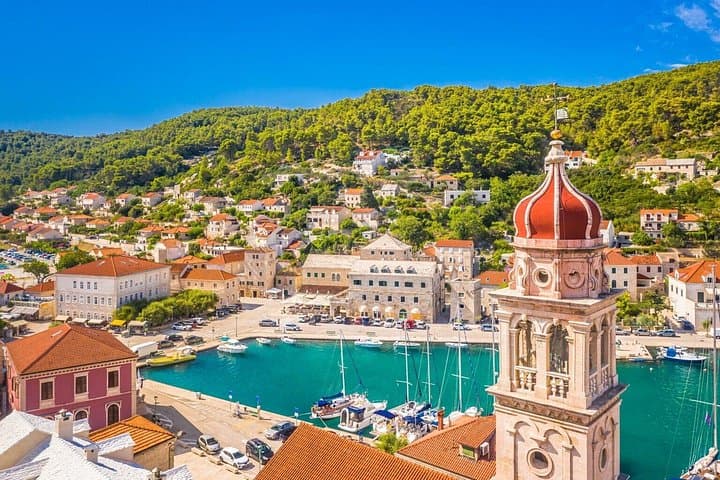
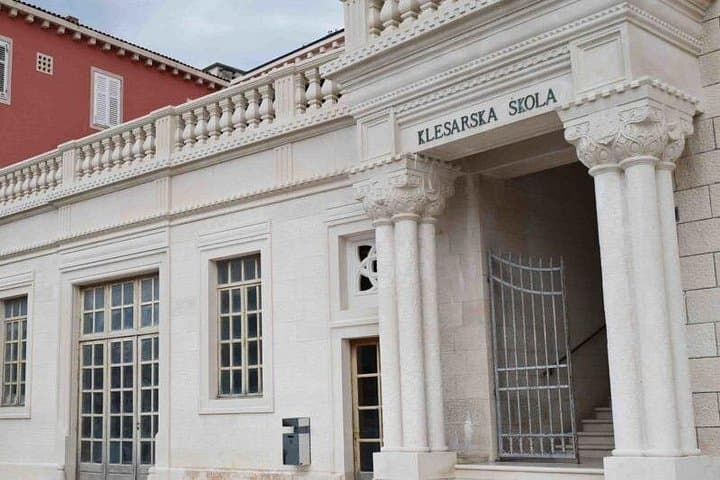
Škrip’s Olive Oil Museum shows centuries of pressing and local agricultural practice; Pučišća’s stonemason school demonstrates techniques that still shape Croatia’s coast. Geologically, Brač is a slab of Miocene limestone that outcrops in bright quarries and produces the island’s signature white marble. Vidova Gora, at 778 m, is the highest island peak in Croatia—its ridgeline throws wind and wide-open vantage points over the Hvar channel and the spit of Zlatni Rat below, which carves and reforms under the current.
Practical guidance: expect a full 9–10 hour day including a 50–60 minute ferry each way, two hours of beach time and short guided stops (museum visits ~45 minutes). The Vidova Gora stop is brief—bring supportive footwear and be ready for a steep 20–40 minute ascent from the parking area if you choose to hike. Sunscreen, a refillable water bottle and swimwear are essentials; carry a light layer for wind at summit. Meals are local and hearty—a three-course family lunch is included—so budget a little cash for espresso or extras in village cafés.
Timing: start early in summer for cooler climbs and quieter beaches; spring and fall offer milder temperatures and blooming hillsides.
moderate.
9–10 hours.
Suitable for reasonably fit travelers who can manage short uphill walks and standing during guided stops; not technically demanding.
Yes—round-trip ferry and coach transfers on Brač are included as part of the full-day tour.
Yes—there is roughly two hours of free time for swimming and beach activities; bring swimwear and footwear for pebbly shore.
The summit visit is short but can be steep; most guests manage a 20–40 minute walk from parking to viewpoint with moderate effort.
Museum entrance fees and a three-course traditional lunch with drinks are included in the tour price.
Brač’s economy has long balanced olive cultivation and stone masonry; Pučišća’s school preserves techniques used since Roman times.
Zlatni Rat’s shape shifts with currents and wind—visitors are encouraged to respect marked areas and local rules to limit erosion and protect marine habitats.
Foodie Sailor travel agency operates guided outdoor trips and adventures with an emphasis on safety, stewardship, and memorable experiences.
A morning ferry parts the sheen of the Adriatic and the island of Brač rises like a close-in horizon—white stone roofs, terraced olive groves and the distant triangular tip of Zlatni Rat pointing into blue. Travelers step ashore in Supetar and slip into a day that trades the rhythm of Split for village lanes, coastal spray and a short climb with a view.
A morning ferry parts the sheen of the Adriatic and the island of Brač rises like a close-in horizon—white stone roofs, terraced olive groves and the distant triangular tip of Zlatni Rat pointing into blue. Travelers step ashore in Supetar and slip into a day that trades the rhythm of Split for village lanes, coastal spray and a short climb with a view.
Škrip’s Olive Oil Museum shows centuries of pressing and local agricultural practice; Pučišća’s stonemason school demonstrates techniques that still shape Croatia’s coast. Geologically, Brač is a slab of Miocene limestone that outcrops in bright quarries and produces the island’s signature white marble. Vidova Gora, at 778 m, is the highest island peak in Croatia—its ridgeline throws wind and wide-open vantage points over the Hvar channel and the spit of Zlatni Rat below, which carves and reforms under the current.
Practical guidance: expect a full 9–10 hour day including a 50–60 minute ferry each way, two hours of beach time and short guided stops (museum visits ~45 minutes). The Vidova Gora stop is brief—bring supportive footwear and be ready for a steep 20–40 minute ascent from the parking area if you choose to hike. Sunscreen, a refillable water bottle and swimwear are essentials; carry a light layer for wind at summit. Meals are local and hearty—a three-course family lunch is included—so budget a little cash for espresso or extras in village cafés.
Timing: start early in summer for cooler climbs and quieter beaches; spring and fall offer milder temperatures and blooming hillsides.