THE ADVENTURE COLLECTIVE® · Independent discovery and booking for outdoor travel

Leave Marrakech behind for a private day in the High Atlas: walking mule tracks, visiting berber villages around Imlil, and taking in panoramic ridgelines. This practical day trip mixes cultural insights with accessible mountain hiking.
Leave Marrakech behind for a private day in the High Atlas: walking mule tracks, visiting berber villages around Imlil, and taking in panoramic ridgelines. This practical day trip mixes cultural insights with accessible mountain hiking.
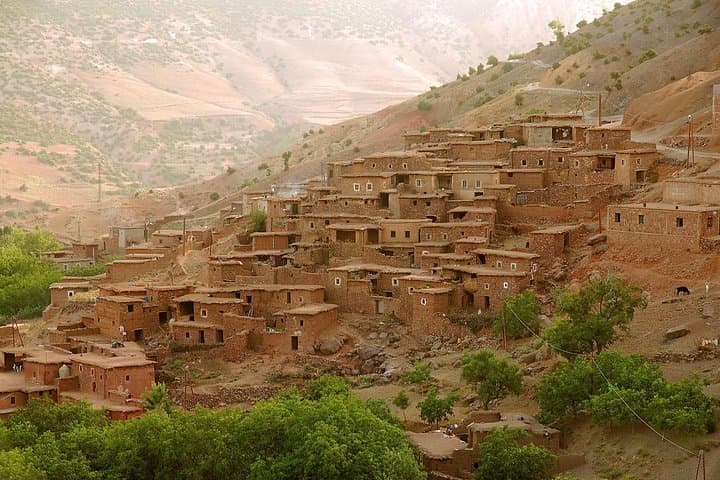
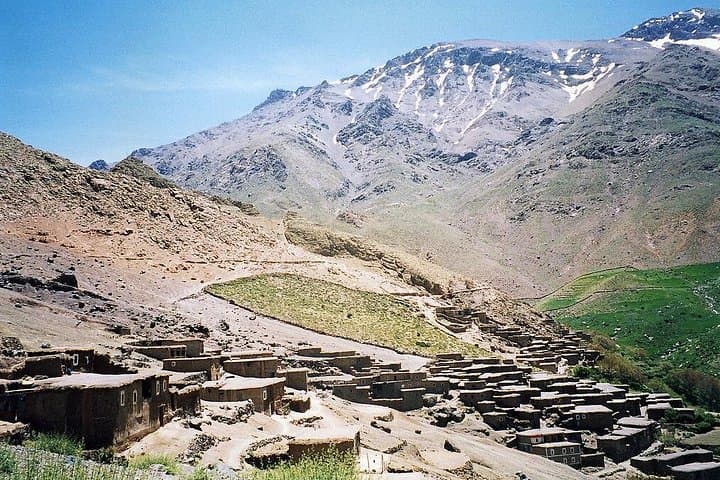
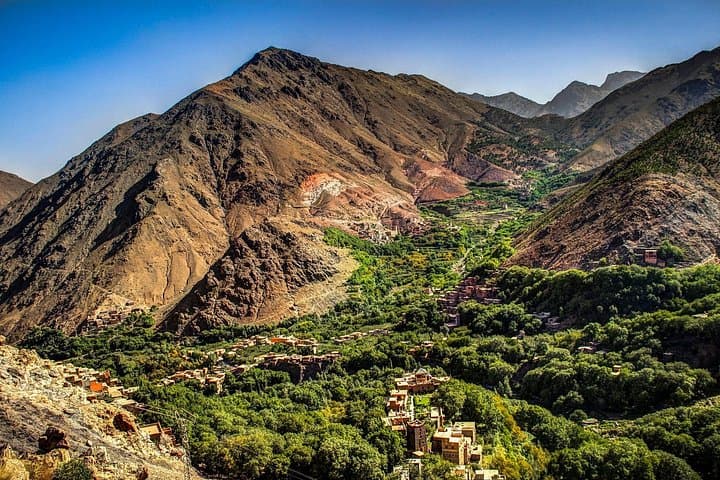
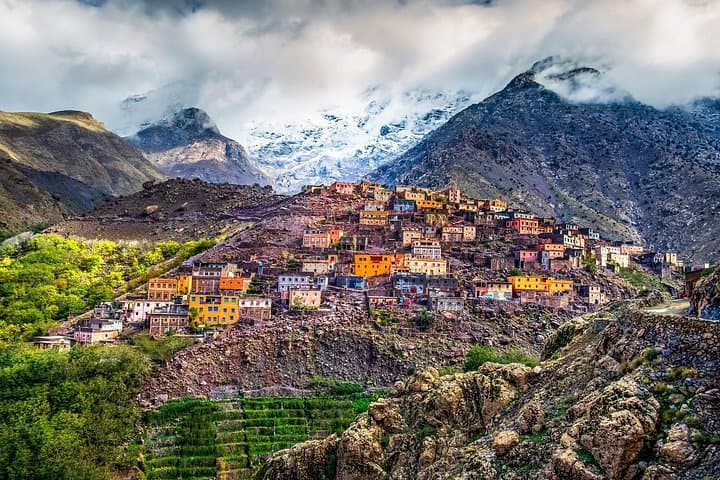
A dust-sheen minivan peels away from Marrakech at first light and the city’s heat gives way to wind-sanded peaks. Roads climb into the High Atlas, where terraces step up steep slopes toward villages of sun-baked stone and flat roofs. The itinerary deposits travelers in Imlil (often spelled Imlil or Imlili), a mountain gateway where mule tracks and narrow alleys thread between walnut trees and coffee-scented kitchens.
Verified experiences and guided adventures in the surrounding area.
Operated by Morocco Sahara Desert Travel · Imlil, Marrakech-Safi
A dust-sheen minivan peels away from Marrakech at first light and the city’s heat gives way to wind-sanded peaks. Roads climb into the High Atlas, where terraces step up steep slopes toward villages of sun-baked stone and flat roofs. The itinerary deposits travelers in Imlil (often spelled Imlil or Imlili), a mountain gateway where mule tracks and narrow alleys thread between walnut trees and coffee-scented kitchens.
Geologically the High Atlas is the product of African and Eurasian plates colliding; folded limestone and shale expose sharp ridgelines and glacial bowls that still hold winter snow. Culturally the region is Amazigh (Berber): families maintain terraced farms, seasonal pastures, and time-honored customs. Small shrines and kasbah-like houses mark village centers, and local guides translate language and landscape into practical context.
This private day trip from Marrakech combines road time (roughly 60–90 minutes each way) with 2–4 hours of walking in and above Imlil. Trails vary from packed mule tracks to loose scree; expect short steep pitches and sections where altitude moves from ~1,700 m to higher vantage points. Wear supportive boots, carry 1–2 liters of water, and plan for rapidly changing mountain weather. Bring cash for a tea at a village house and consider hiring a local guide or mule if you prefer lighter packs. The route is immersive but accessible — a practical way to meet mountain life and panoramic ridgelines without committing to multi-day trekking.
moderate.
9–17 hours (total trip time with transport).
Expect moderate fitness: able to walk 2–4 hours on uneven terrain with short steep sections and handle a full-day outing.
Driving time is typically 60–90 minutes depending on traffic and exact pickup location in Marrakech.
Yes—walks in and above Imlil are generally accessible for beginners with moderate fitness, but there are short steep sections and uneven ground.
Food is generally available for purchase in village houses or local restaurants; confirm dietary needs when booking if you want an included meal.
This is a private tour with a driver/guide included; a local walking guide can add cultural context and help with route choices and mules if requested.
The High Atlas has been inhabited by Amazigh (Berber) communities for centuries; terraced agriculture and transhumant grazing shaped village patterns.
The region faces grazing pressure and water stress; support local guides, minimize waste, and avoid disturbing terraced fields and livestock.
Morocco Sahara Desert Travel operates guided outdoor trips and adventures with an emphasis on safety, stewardship, and memorable experiences.
A dust-sheen minivan peels away from Marrakech at first light and the city’s heat gives way to wind-sanded peaks. Roads climb into the High Atlas, where terraces step up steep slopes toward villages of sun-baked stone and flat roofs. The itinerary deposits travelers in Imlil (often spelled Imlil or Imlili), a mountain gateway where mule tracks and narrow alleys thread between walnut trees and coffee-scented kitchens.
A dust-sheen minivan peels away from Marrakech at first light and the city’s heat gives way to wind-sanded peaks. Roads climb into the High Atlas, where terraces step up steep slopes toward villages of sun-baked stone and flat roofs. The itinerary deposits travelers in Imlil (often spelled Imlil or Imlili), a mountain gateway where mule tracks and narrow alleys thread between walnut trees and coffee-scented kitchens.
Geologically the High Atlas is the product of African and Eurasian plates colliding; folded limestone and shale expose sharp ridgelines and glacial bowls that still hold winter snow. Culturally the region is Amazigh (Berber): families maintain terraced farms, seasonal pastures, and time-honored customs. Small shrines and kasbah-like houses mark village centers, and local guides translate language and landscape into practical context.
This private day trip from Marrakech combines road time (roughly 60–90 minutes each way) with 2–4 hours of walking in and above Imlil. Trails vary from packed mule tracks to loose scree; expect short steep pitches and sections where altitude moves from ~1,700 m to higher vantage points. Wear supportive boots, carry 1–2 liters of water, and plan for rapidly changing mountain weather. Bring cash for a tea at a village house and consider hiring a local guide or mule if you prefer lighter packs. The route is immersive but accessible — a practical way to meet mountain life and panoramic ridgelines without committing to multi-day trekking.