THE ADVENTURE COLLECTIVE® · Independent discovery and booking for outdoor travel

A three-hour private walking tour that stitches together Belgrade’s riverfront views, hidden art, and layered history. Expect fortress panoramas, repurposed urban spaces, and intimate local stops framed by the Danube’s hush.
A three-hour private walking tour that stitches together Belgrade’s riverfront views, hidden art, and layered history. Expect fortress panoramas, repurposed urban spaces, and intimate local stops framed by the Danube’s hush.
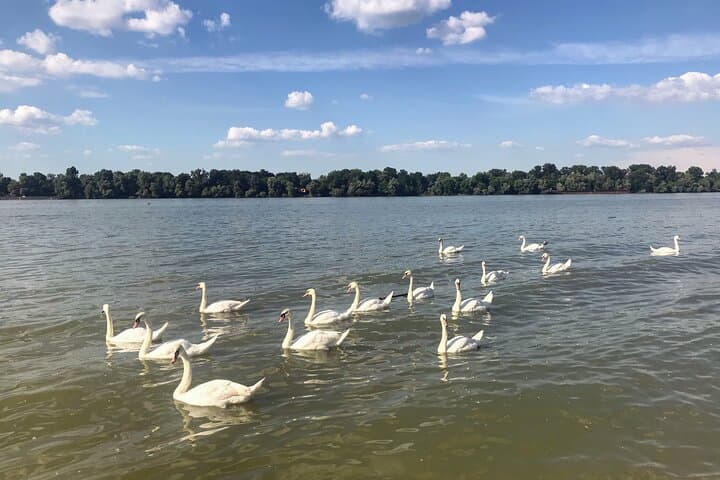
You step off a tram into a city where the river insists on being seen: the Danube and Sava meet below, their currents daring you to follow the skyline from Kalemegdan’s fortress walls.
Verified experiences and guided adventures in the surrounding area.
Operated by Snurk.Travel · Belgrade, Belgrade
You step off a tram into a city where the river insists on being seen: the Danube and Sava meet below, their currents daring you to follow the skyline from Kalemegdan’s fortress walls.
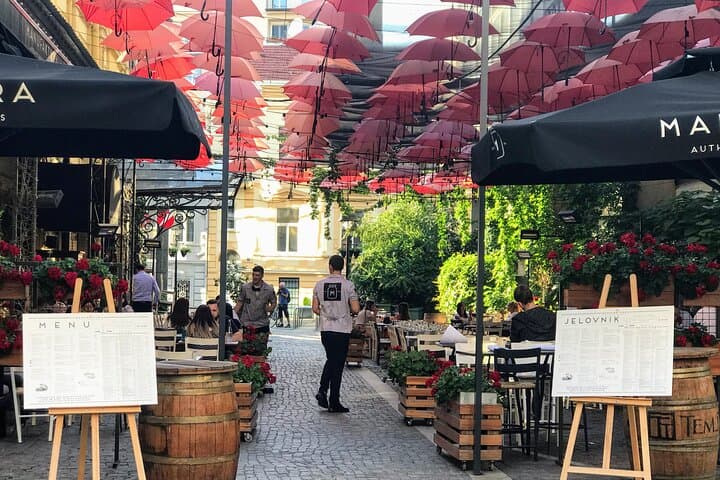
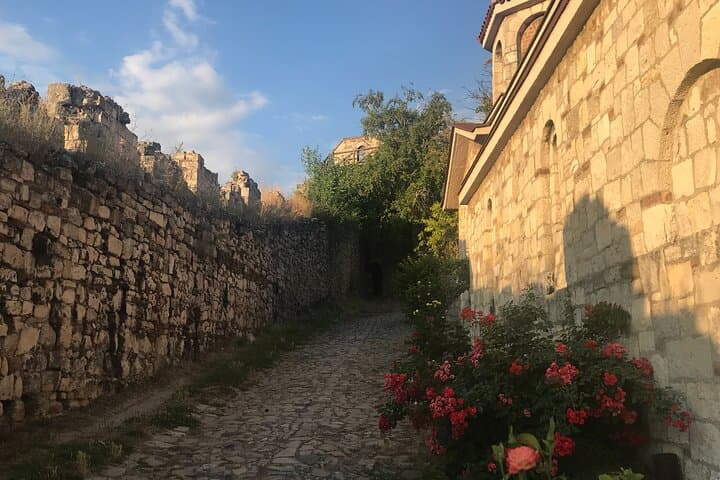
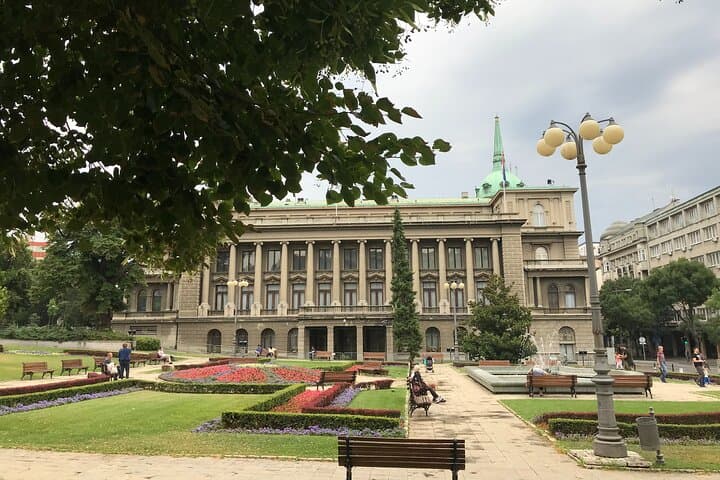
This three-hour private walk threads through Belgrade’s layers — Ottoman ramparts and Austro-Hungarian facades, socialist-era interventions, and pockets of modern street art. The guide stops at a former quarry-turned-park that hosts the Church of St. Mark, and a central square where aristocratic palaces sit beside hidden murals. An abandoned 1990s mall repurposed by local designers feels alive with creative risk; a pedestrian promenade reveals arcades, archaeological fragments, and cafes balanced on a Danube pontoon.
Geology here is quiet but present: the confluence carved low terraces and exposed riverbanks that shaped settlement patterns; the fortress occupies a strategic promontory honed by centuries of conflict. Culturally, Belgrade moves between loud kafanas, late-night jazz spilling from a mansion, and intimate book cafes where locals argue history over strong coffee.
Practical guidance: wear sturdy walking shoes for uneven cobblestones and occasional dirt paths. Plan to move at a steady pace—three hours includes multiple stops but little seating. Public transport is efficient for arrival and departure; carry a reusable water bottle and a light layer for river breezes. Mid-afternoon or sunset offers the best light for the fortress viewpoint and keeps the daytime heat manageable.
This tour suits travelers who favor curiosity over strict itineraries: expect serendipity, pointed local stories, and a route that privileges discovery over checklist tourism.
easy.
3 hours.
Light walking fitness; comfortable standing and walking for up to three hours with short breaks.
Yes; the route is generally stroller-accessible though some cobbled stretches and steps at viewpoints may require occasional lifting.
The tour focuses on outdoor sights and neighborhoods; individual admissions (museums, churches) are typically not included unless stated by the operator.
This is a private tour and can be adjusted to preferences—longer stops at art hubs or more time at the fortress can usually be arranged.
Belgrade’s tram and bus network serves central areas; the operator will provide a meeting-point address and best transit options when you book.
Belgrade’s fortress sits at the strategic confluence of the Sava and Danube and bears layers of Roman, Ottoman, and Austro-Hungarian occupation that shaped the city’s urban fabric.
Urban regeneration has repurposed derelict buildings into creative hubs; visitors are encouraged to support local businesses and avoid disturbing graffiti art and archaeological sites.
Snurk.Travel operates guided outdoor trips and adventures with an emphasis on safety, stewardship, and memorable experiences.
You step off a tram into a city where the river insists on being seen: the Danube and Sava meet below, their currents daring you to follow the skyline from Kalemegdan’s fortress walls.
You step off a tram into a city where the river insists on being seen: the Danube and Sava meet below, their currents daring you to follow the skyline from Kalemegdan’s fortress walls.
This three-hour private walk threads through Belgrade’s layers — Ottoman ramparts and Austro-Hungarian facades, socialist-era interventions, and pockets of modern street art. The guide stops at a former quarry-turned-park that hosts the Church of St. Mark, and a central square where aristocratic palaces sit beside hidden murals. An abandoned 1990s mall repurposed by local designers feels alive with creative risk; a pedestrian promenade reveals arcades, archaeological fragments, and cafes balanced on a Danube pontoon.
Geology here is quiet but present: the confluence carved low terraces and exposed riverbanks that shaped settlement patterns; the fortress occupies a strategic promontory honed by centuries of conflict. Culturally, Belgrade moves between loud kafanas, late-night jazz spilling from a mansion, and intimate book cafes where locals argue history over strong coffee.
Practical guidance: wear sturdy walking shoes for uneven cobblestones and occasional dirt paths. Plan to move at a steady pace—three hours includes multiple stops but little seating. Public transport is efficient for arrival and departure; carry a reusable water bottle and a light layer for river breezes. Mid-afternoon or sunset offers the best light for the fortress viewpoint and keeps the daytime heat manageable.
This tour suits travelers who favor curiosity over strict itineraries: expect serendipity, pointed local stories, and a route that privileges discovery over checklist tourism.