THE ADVENTURE COLLECTIVE® · Independent discovery and booking for outdoor travel

Walk Prague’s functionalist milestones—Osada Baba, Veletržní palác, Skleněný palác and Molochov—on a focused three-hour tour that pairs architectural history with local color. Ideal for design-minded travelers who prefer context, access and practical insight over a cursory stroll.
Walk Prague’s functionalist milestones—Osada Baba, Veletržní palác, Skleněný palác and Molochov—on a focused three-hour tour that pairs architectural history with local color. Ideal for design-minded travelers who prefer context, access and practical insight over a cursory stroll.
You step off the tram into a street where glass and concrete keep their own quiet counsel—flat roofs, generous windows and unadorned façades lining the walk as if arranged to test light. This three-hour walk across Prague 6 and 7 threads Osada Baba’s low-rise experimental homes, the fair-grid volumes of Veletržní palác, and the long, horizontal presence of Molochov, each structure offering a different argument for function over ornament.
Verified experiences and guided adventures in the surrounding area.
Operated by PRAGUE FORUM · Prague, Prague
You step off the tram into a street where glass and concrete keep their own quiet counsel—flat roofs, generous windows and unadorned façades lining the walk as if arranged to test light. This three-hour walk across Prague 6 and 7 threads Osada Baba’s low-rise experimental homes, the fair-grid volumes of Veletržní palác, and the long, horizontal presence of Molochov, each structure offering a different argument for function over ornament.
Functionalism in Prague grew from interwar optimism: architects rejected historicist styling in favor of economy, daylight and social housing prototypes. The city’s geology—granite and loess built on river terraces—allowed compact urban expansion; cultural shifts after 1918 propelled public buildings and housing projects that read as civic infrastructure as much as architecture.
Along the route you’ll taste a 1930s confection in Erhartova cukrárna, cross Letná’s airy parklands and stand beneath concrete cantilevers that still look modern. The guide’s personal stories—growing up in a Werkbund villa, navigating postwar adaptations—turn facades into lived places rather than museum pieces.
Practical guidance: wear comfortable shoes for pavement and park paths, and carry a compact umbrella—Prague weather can change fast. Bring a camera for light-filled interiors (some buildings require timed entry) and local currency or card for small café purchases. The tour is accessible by public transport; expect gentle walking with frequent stops and short staircases in older lobbies. Mid-morning or late afternoon departures give the best slanting light for façades and fewer crowds at gallery entrances.
easy.
3 hours.
Suitable for most fitness levels; requires standing and walking at a casual pace for up to 3 hours.
Yes—walking is gentle with frequent stops; stairs may appear in older lobbies but overall pace is relaxed.
Access to certain buildings and the National Gallery (Veletržní palác) is included as stated, but verify for special temporary exhibitions.
The tour begins near public-transport stops in Prague 6/7—tram and metro options are plentiful; check the confirmation for the exact stop name.
Yes—Osada Baba is a residential ensemble in Prague 6 open to the public exteriorly; respect private property and local residents when exploring.
Prague’s interwar functionalism was driven by social housing experiments and civic institutions after Czechoslovakia’s 1918 independence, reflecting a drive toward modern living standards.
Many functionalist buildings are now protected monuments; visitors should avoid touching façades and coordinate interior visits to limit wear and support guided, booked access.
PRAGUE FORUM operates guided outdoor trips and adventures with an emphasis on safety, stewardship, and memorable experiences.
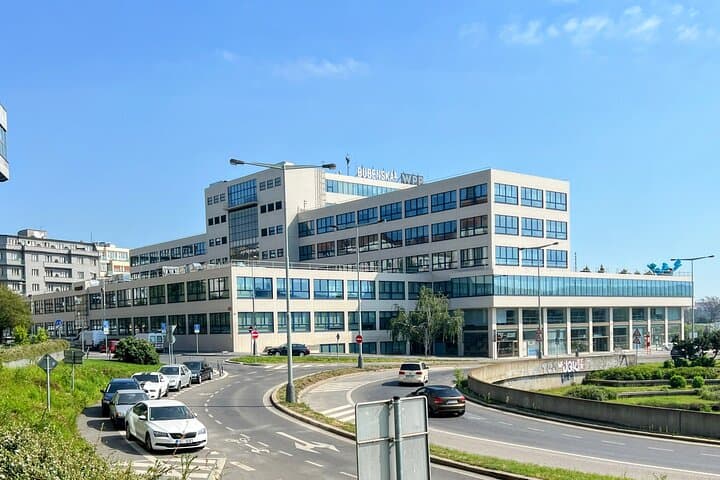
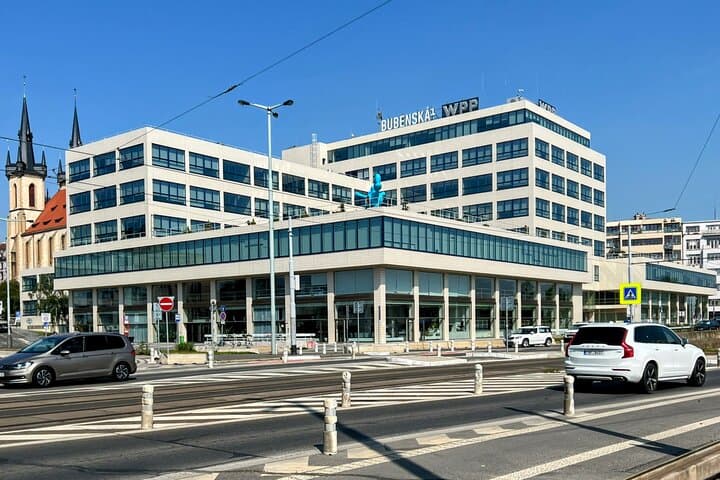
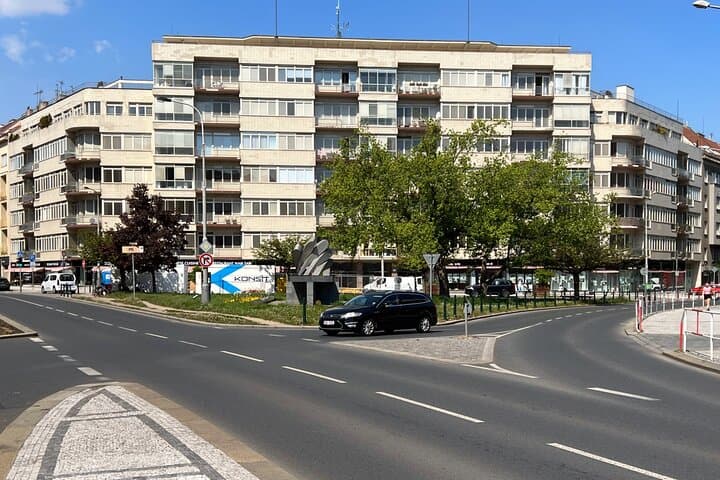
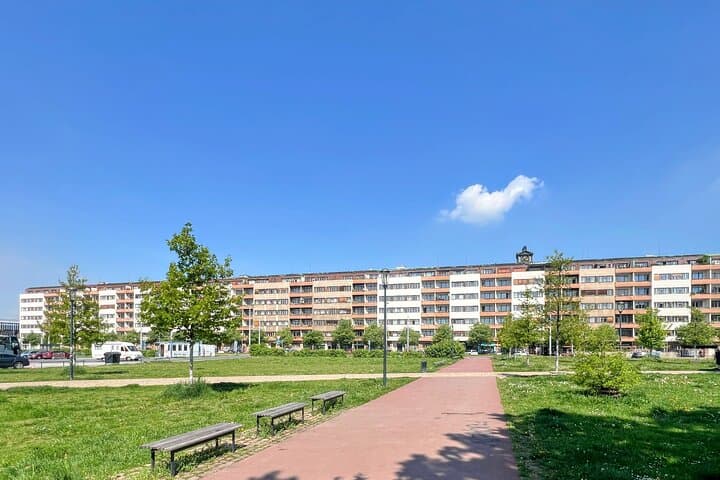
You step off the tram into a street where glass and concrete keep their own quiet counsel—flat roofs, generous windows and unadorned façades lining the walk as if arranged to test light. This three-hour walk across Prague 6 and 7 threads Osada Baba’s low-rise experimental homes, the fair-grid volumes of Veletržní palác, and the long, horizontal presence of Molochov, each structure offering a different argument for function over ornament.
You step off the tram into a street where glass and concrete keep their own quiet counsel—flat roofs, generous windows and unadorned façades lining the walk as if arranged to test light. This three-hour walk across Prague 6 and 7 threads Osada Baba’s low-rise experimental homes, the fair-grid volumes of Veletržní palác, and the long, horizontal presence of Molochov, each structure offering a different argument for function over ornament.
Functionalism in Prague grew from interwar optimism: architects rejected historicist styling in favor of economy, daylight and social housing prototypes. The city’s geology—granite and loess built on river terraces—allowed compact urban expansion; cultural shifts after 1918 propelled public buildings and housing projects that read as civic infrastructure as much as architecture.
Along the route you’ll taste a 1930s confection in Erhartova cukrárna, cross Letná’s airy parklands and stand beneath concrete cantilevers that still look modern. The guide’s personal stories—growing up in a Werkbund villa, navigating postwar adaptations—turn facades into lived places rather than museum pieces.
Practical guidance: wear comfortable shoes for pavement and park paths, and carry a compact umbrella—Prague weather can change fast. Bring a camera for light-filled interiors (some buildings require timed entry) and local currency or card for small café purchases. The tour is accessible by public transport; expect gentle walking with frequent stops and short staircases in older lobbies. Mid-morning or late afternoon departures give the best slanting light for façades and fewer crowds at gallery entrances.