THE ADVENTURE COLLECTIVE® · Independent discovery and booking for outdoor travel

This seven-day, food-forward tour moves from Phnom Penh to Battambang and finishes in Siem Reap, combining market crawls, family meals, and Angkor’s sunrise. Expect hands-on cooking, village visits, and historical context with local guides.
This seven-day, food-forward tour moves from Phnom Penh to Battambang and finishes in Siem Reap, combining market crawls, family meals, and Angkor’s sunrise. Expect hands-on cooking, village visits, and historical context with local guides.
Dawn light slips across a flooded rice plain as the van hums out of Phnom Penh; curry steam and roadside coffee linger in the air while tuk-tuks wait where the asphalt thins. Over seven days this route threads modern capital streets, green countryside, artist-run Battambang and the stone ruins of Angkor — a travel rhythm set by markets, family kitchens, and temple steps.
Verified experiences and guided adventures in the surrounding area.
Operated by Lost Plate · Siem Reap, Siem Reap
Dawn light slips across a flooded rice plain as the van hums out of Phnom Penh; curry steam and roadside coffee linger in the air while tuk-tuks wait where the asphalt thins. Over seven days this route threads modern capital streets, green countryside, artist-run Battambang and the stone ruins of Angkor — a travel rhythm set by markets, family kitchens, and temple steps.
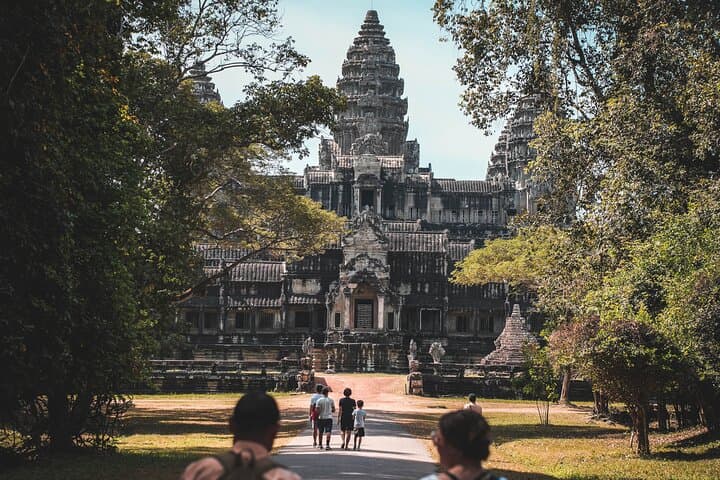
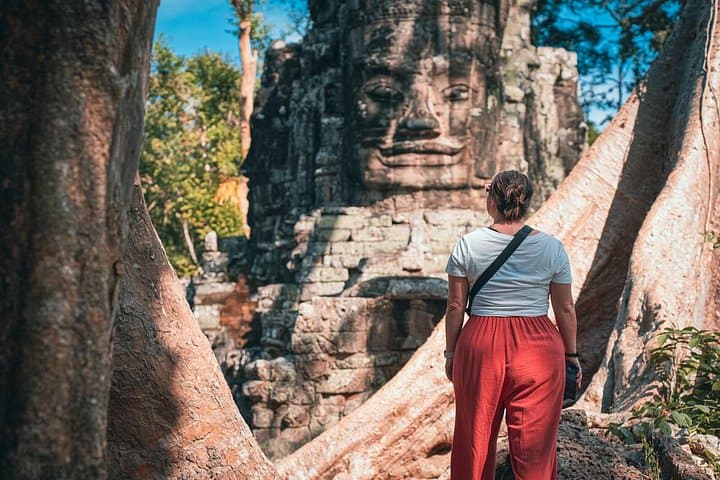
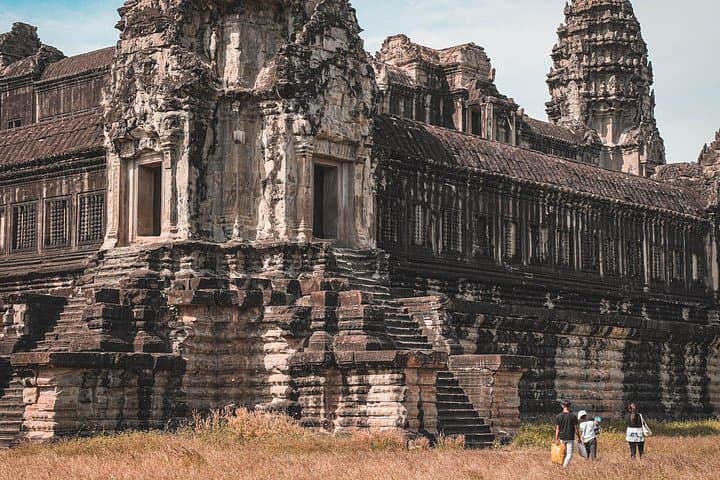
Cambodia’s history is visible and tactile: 12th-century Angkorian sandstone carvings that narrate ancient cosmology sit a few hours from Tuol Sleng’s stark rooms that recall the Khmer Rouge era. Geology here matters — engineered moats and baray reservoirs once altered water to power a kingdom, and those same floodplain systems now feed fisheries and rice paddies that push outward toward the horizon.
Culturally the trip centers on ingredients and makers: noodle vendors at dawn, village distillers of rice wine, and social-enterprise kitchens that link food to community resilience. Guides translate recipes and local life with practical context, showing how seasonal fish, palm sugar and fermented sauces shape daily tables.
Practical notes: pack breathable layers for hot, humid days and a light rain shell for monsoon bursts. Comfortable, broken-in walking shoes and a small daypack make city markets and temple terraces manageable. Cash is king in villages; carry small bills and a copy of your passport. Respectful temple attire (shoulders and knees covered) keeps entry simple.
Expect active days with frequent stops to taste, walk short village paths, and climb temple steps; hydration and sun protection matter. The itinerary balances immersive food experiences with history and time to absorb Cambodia’s landscape and people.
moderate.
7 days.
Expect daily walking, short hikes to cave mouths and temple steps; reasonable for travelers with average fitness who can walk 3–6 miles a day.
Most meals listed and admission fees to itinerary attractions are included; check your booking for specifics on Angkor pass tiers.
Most nationalities require a tourist visa for Cambodia; consult your government health advice for routine vaccinations and recommended travel immunizations.
Yes — the group size is small and the itinerary supports solo travelers; single rooms may incur a supplement depending on booking terms.
Guides are English-speaking specialists trained to explain cultural, historical and culinary contexts; language support for other languages may be limited.
Angkor Wat dates to the 12th century and represents the zenith of Khmer architecture; modern Cambodia was profoundly shaped by the Khmer Rouge era in the 1970s, memorialized at sites like Tuol Sleng.
Tourism supports local conservation and social enterprises like community kitchens, but visitors should minimize single-use plastics, stick to marked paths in ruins, and support responsible local businesses.
Lost Plate operates guided outdoor trips and adventures with an emphasis on safety, stewardship, and memorable experiences.
Dawn light slips across a flooded rice plain as the van hums out of Phnom Penh; curry steam and roadside coffee linger in the air while tuk-tuks wait where the asphalt thins. Over seven days this route threads modern capital streets, green countryside, artist-run Battambang and the stone ruins of Angkor — a travel rhythm set by markets, family kitchens, and temple steps.
Dawn light slips across a flooded rice plain as the van hums out of Phnom Penh; curry steam and roadside coffee linger in the air while tuk-tuks wait where the asphalt thins. Over seven days this route threads modern capital streets, green countryside, artist-run Battambang and the stone ruins of Angkor — a travel rhythm set by markets, family kitchens, and temple steps.
Cambodia’s history is visible and tactile: 12th-century Angkorian sandstone carvings that narrate ancient cosmology sit a few hours from Tuol Sleng’s stark rooms that recall the Khmer Rouge era. Geology here matters — engineered moats and baray reservoirs once altered water to power a kingdom, and those same floodplain systems now feed fisheries and rice paddies that push outward toward the horizon.
Culturally the trip centers on ingredients and makers: noodle vendors at dawn, village distillers of rice wine, and social-enterprise kitchens that link food to community resilience. Guides translate recipes and local life with practical context, showing how seasonal fish, palm sugar and fermented sauces shape daily tables.
Practical notes: pack breathable layers for hot, humid days and a light rain shell for monsoon bursts. Comfortable, broken-in walking shoes and a small daypack make city markets and temple terraces manageable. Cash is king in villages; carry small bills and a copy of your passport. Respectful temple attire (shoulders and knees covered) keeps entry simple.
Expect active days with frequent stops to taste, walk short village paths, and climb temple steps; hydration and sun protection matter. The itinerary balances immersive food experiences with history and time to absorb Cambodia’s landscape and people.