THE ADVENTURE COLLECTIVE® · Independent discovery and booking for outdoor travel

Skip long overland transfers and fly into Aswan for a focused three-day run through Egypt’s greatest archaeological sites. From Abu Simbel’s sunrise spectacle to Luxor’s temple avenues, this tour pairs efficient logistics with certified Egyptologist guides.
Skip long overland transfers and fly into Aswan for a focused three-day run through Egypt’s greatest archaeological sites. From Abu Simbel’s sunrise spectacle to Luxor’s temple avenues, this tour pairs efficient logistics with certified Egyptologist guides.
Dawn arrives over the Nile and the desert light sharpens the temple faces: you step off a short domestic flight into Aswan, where papyrus-fringed water and the slow current seem to carry the weight of millennia. Over the next three days the itinerary moves south along Egypt’s living artery—Philae’s island temple, the colossal façade of Abu Simbel, then east to Luxor’s Karnak, Luxor Temple and the Valley of the Kings. Each ruin reads like carved history—sandstone reliefs and ruler portraits cut into bedrock that remembers the river’s seasonal moods.
Verified experiences and guided adventures in the surrounding area.
Operated by Egypt Travel Planning · Aswan, Aswan Governorate
Dawn arrives over the Nile and the desert light sharpens the temple faces: you step off a short domestic flight into Aswan, where papyrus-fringed water and the slow current seem to carry the weight of millennia. Over the next three days the itinerary moves south along Egypt’s living artery—Philae’s island temple, the colossal façade of Abu Simbel, then east to Luxor’s Karnak, Luxor Temple and the Valley of the Kings. Each ruin reads like carved history—sandstone reliefs and ruler portraits cut into bedrock that remembers the river’s seasonal moods.
Geology here is simple and brutal: Nile alluvium meets Nubian sandstone, and the Aswan High Dam turned cataracts into the vast plane of Lake Nasser, reshaping the landscape and sparking the UNESCO rescue of Abu Simbel in the 1960s. Culture arrives in smaller scales: Nubian villages, market hawkers, and guides whose storytelling turns hieroglyphs into people and politics.
Practical guidance is straightforward. Expect early starts—Abu Simbel is best at first light. Surfaces vary from paved temple courtyards to uneven tomb passages; comfortable, grippy shoes matter. Temperatures swing dramatically between sun-drenched afternoons and cool nights, so layer. The tour includes domestic flights, most entrance fees, lodging and meals as listed, but bring small notes for tips, water refills and market purchases. Carry sunscreen, a hat, a photocopy of your passport and a compact daypack. With a patient pace and a curiosity for carved detail, this compact route delivers the high points of Upper Egypt in three concentrated days.
moderate.
3 days.
Suitable for travelers who can walk several hours across uneven ground and climb stairs; not strenuous but requires stamina for full-day touring.
Yes—domestic flights between Cairo and Aswan are included to minimize travel time and cover the long distances.
The tour lists entrance fees to the main sights as included; optional extras like hot-air balloon rides are not covered and require separate payment.
The tour involves walking on uneven ground, stairs and tomb passages; while not highly strenuous, it may be difficult for travelers with significant mobility limitations—check specific accessibility needs with the operator.
Yes, hot-air balloon rides are commonly offered as an optional add-on on the final morning in Luxor and must be booked/paid separately.
Upper Egypt’s temples span the New Kingdom and later periods; Abu Simbel’s relocation in the 1960s is a major example of international cultural conservation.
The Aswan High Dam and Lake Nasser altered local ecosystems; visitors are encouraged to minimize plastic waste, stick to marked paths and respect site conservation rules.
Egypt Travel Planning operates guided outdoor trips and adventures with an emphasis on safety, stewardship, and memorable experiences.
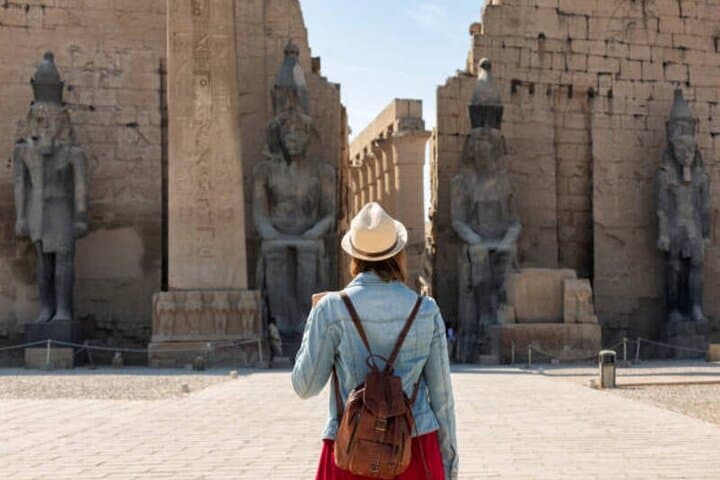
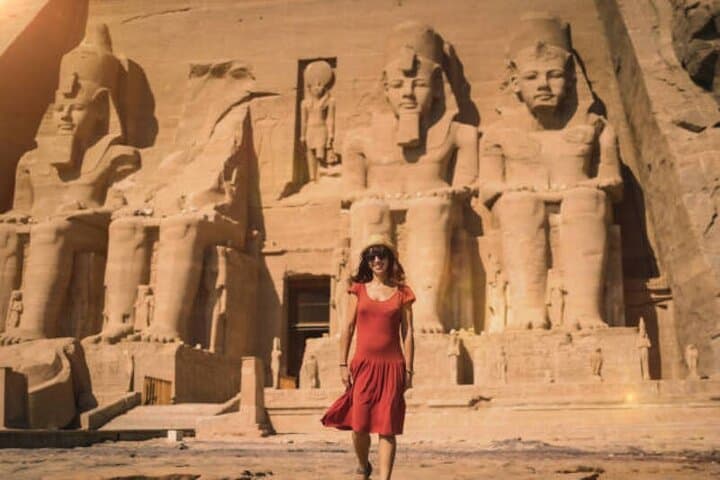
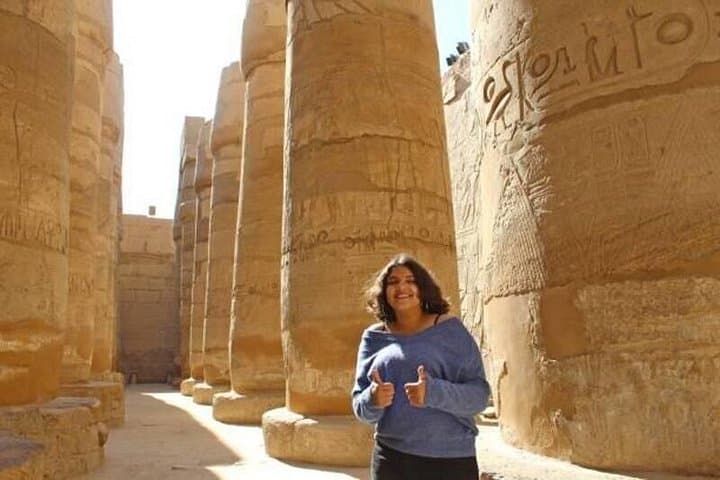
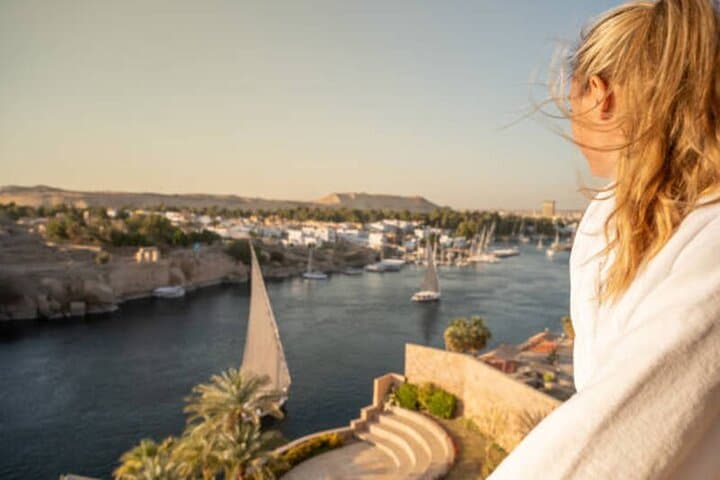
Dawn arrives over the Nile and the desert light sharpens the temple faces: you step off a short domestic flight into Aswan, where papyrus-fringed water and the slow current seem to carry the weight of millennia. Over the next three days the itinerary moves south along Egypt’s living artery—Philae’s island temple, the colossal façade of Abu Simbel, then east to Luxor’s Karnak, Luxor Temple and the Valley of the Kings. Each ruin reads like carved history—sandstone reliefs and ruler portraits cut into bedrock that remembers the river’s seasonal moods.
Dawn arrives over the Nile and the desert light sharpens the temple faces: you step off a short domestic flight into Aswan, where papyrus-fringed water and the slow current seem to carry the weight of millennia. Over the next three days the itinerary moves south along Egypt’s living artery—Philae’s island temple, the colossal façade of Abu Simbel, then east to Luxor’s Karnak, Luxor Temple and the Valley of the Kings. Each ruin reads like carved history—sandstone reliefs and ruler portraits cut into bedrock that remembers the river’s seasonal moods.
Geology here is simple and brutal: Nile alluvium meets Nubian sandstone, and the Aswan High Dam turned cataracts into the vast plane of Lake Nasser, reshaping the landscape and sparking the UNESCO rescue of Abu Simbel in the 1960s. Culture arrives in smaller scales: Nubian villages, market hawkers, and guides whose storytelling turns hieroglyphs into people and politics.
Practical guidance is straightforward. Expect early starts—Abu Simbel is best at first light. Surfaces vary from paved temple courtyards to uneven tomb passages; comfortable, grippy shoes matter. Temperatures swing dramatically between sun-drenched afternoons and cool nights, so layer. The tour includes domestic flights, most entrance fees, lodging and meals as listed, but bring small notes for tips, water refills and market purchases. Carry sunscreen, a hat, a photocopy of your passport and a compact daypack. With a patient pace and a curiosity for carved detail, this compact route delivers the high points of Upper Egypt in three concentrated days.