THE ADVENTURE COLLECTIVE® · Independent discovery and booking for outdoor travel

Escape Beijing’s crowds for a private half-day to the unrestored Badaling Ancient Great Wall. Explore weathered towers, steep trails, and wide ridge views with flexible pickup and quieter hours — ideal for travelers who want a raw, historical experience.
Escape Beijing’s crowds for a private half-day to the unrestored Badaling Ancient Great Wall. Explore weathered towers, steep trails, and wide ridge views with flexible pickup and quieter hours — ideal for travelers who want a raw, historical experience.
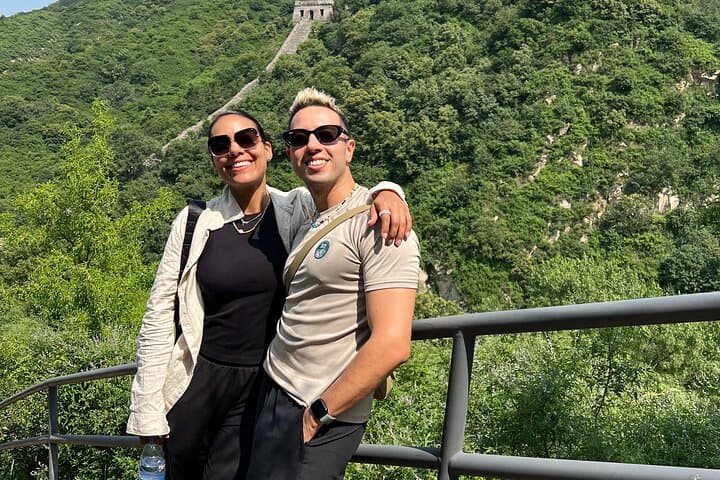
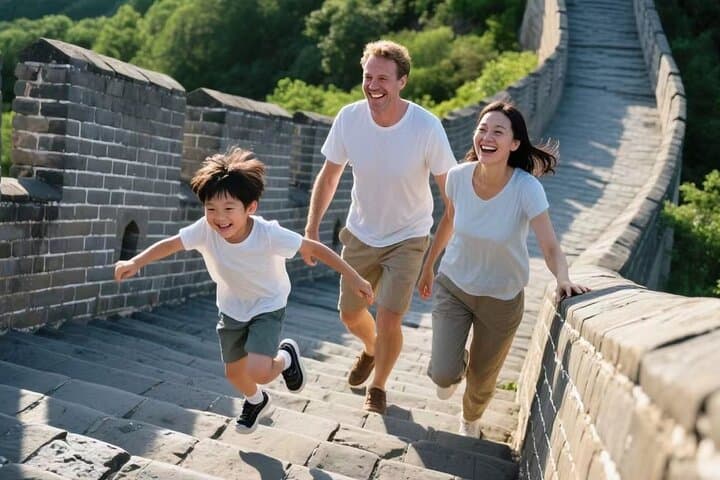
A private car eases onto a narrow track and the city hum recedes; the wall rises ahead like an old spine across the ridgeline — stones weathered and uneven, watchtowers stoic and half-ruined. In this less-restored section of Badaling, the path is raw: loose rock, steep pitches and crumbling parapets that invite careful exploration rather than casual strolling.
Verified experiences and guided adventures in the surrounding area.
Operated by Yida Travel · Beijing, Beijing
A private car eases onto a narrow track and the city hum recedes; the wall rises ahead like an old spine across the ridgeline — stones weathered and uneven, watchtowers stoic and half-ruined. In this less-restored section of Badaling, the path is raw: loose rock, steep pitches and crumbling parapets that invite careful exploration rather than casual strolling.
This stretch belongs to the Ming-era defensive system that threads northern Beijing’s hills, built where the wall follows resistant bedrock and abrupt folds of the Yanshan foothills. Centuries of wind and frost have given the masonry a pitted, textured face; towers that once signaled alarm now frame broad panoramas of terraced slopes and open sky. Local villages still keep festivals tied to harvests and the old mountain seasons — a reminder that this is living countryside as much as archaeological ruin.
Practical guidance follows the view: allow 4–7 hours for the excursion depending on pickup point and traffic. Expect uneven stone steps and short, steep climbs — good ankles and steady footing matter more than speed. Carry a passport for admission, bring 1.5–2 liters of water, sun protection and layered clothing for windy ridge-top conditions. Start early to avoid afternoon heat and to catch clearer air for photography.
The private-car format makes timing flexible; choose quieter hours to feel the place’s solitude. Move deliberately, respect fragile mortar, and leave the stones as you found them — the ancient wall’s power comes from being walked, not crowded.
moderate.
4–7 hours.
Moderate — should be comfortable on uneven terrain and short steep sections; good balance and ankle stability recommended
Total time varies with traffic and pickup location; plan for 4–7 hours including transport, and roughly 1.5–3 hours on the ancient wall depending on your pace.
The route features steep, uneven stone steps and loose rock; it’s more rugged than restored tourist sections but manageable for anyone steady on their feet.
Yes — passport information is typically required for entrance tickets, so have your passport available at pickup and admission.
Yes, but conditions change: summers are hot and busy, winters are cold and can be icy; spring and fall offer the most comfortable hiking weather.
This Badaling remnant is part of the Ming dynasty fortifications that fortified Beijing’s northern approaches; many sections remain unrestored, showing original masonry and weathering patterns.
The unrestored wall is sensitive to erosion and visitor impact; stick to established paths, avoid removing stones, and follow guide instructions to help preserve the structure.
Yida Travel operates guided outdoor trips and adventures with an emphasis on safety, stewardship, and memorable experiences.


A private car eases onto a narrow track and the city hum recedes; the wall rises ahead like an old spine across the ridgeline — stones weathered and uneven, watchtowers stoic and half-ruined. In this less-restored section of Badaling, the path is raw: loose rock, steep pitches and crumbling parapets that invite careful exploration rather than casual strolling.
A private car eases onto a narrow track and the city hum recedes; the wall rises ahead like an old spine across the ridgeline — stones weathered and uneven, watchtowers stoic and half-ruined. In this less-restored section of Badaling, the path is raw: loose rock, steep pitches and crumbling parapets that invite careful exploration rather than casual strolling.
This stretch belongs to the Ming-era defensive system that threads northern Beijing’s hills, built where the wall follows resistant bedrock and abrupt folds of the Yanshan foothills. Centuries of wind and frost have given the masonry a pitted, textured face; towers that once signaled alarm now frame broad panoramas of terraced slopes and open sky. Local villages still keep festivals tied to harvests and the old mountain seasons — a reminder that this is living countryside as much as archaeological ruin.
Practical guidance follows the view: allow 4–7 hours for the excursion depending on pickup point and traffic. Expect uneven stone steps and short, steep climbs — good ankles and steady footing matter more than speed. Carry a passport for admission, bring 1.5–2 liters of water, sun protection and layered clothing for windy ridge-top conditions. Start early to avoid afternoon heat and to catch clearer air for photography.
The private-car format makes timing flexible; choose quieter hours to feel the place’s solitude. Move deliberately, respect fragile mortar, and leave the stones as you found them — the ancient wall’s power comes from being walked, not crowded.