THE ADVENTURE COLLECTIVE® · Independent discovery and booking for outdoor travel

See Agadir’s highlights in a single morning: the marina, panoramic Kasbah Oufella and the bustling Souk El Had. This private city tour mixes coastal views, local crafts and cultural context with practical tips for first‑time visitors.
See Agadir’s highlights in a single morning: the marina, panoramic Kasbah Oufella and the bustling Souk El Had. This private city tour mixes coastal views, local crafts and cultural context with practical tips for first‑time visitors.
Morning light slants across Agadir’s wide bay as you step into an air‑conditioned vehicle and head for the marina—yachts glinting, café terraces already warming to the day. The guide sets the pace: a short coastal drive, a climb to the ruins of Agadir Oufella for sweeping views, then down into neighborhoods, a mosque visit and the busy arteries of Souk El Had.
Verified experiences and guided adventures in the surrounding area.
Operated by Best Choice Tours · Agadir, Souss-Massa
Morning light slants across Agadir’s wide bay as you step into an air‑conditioned vehicle and head for the marina—yachts glinting, café terraces already warming to the day. The guide sets the pace: a short coastal drive, a climb to the ruins of Agadir Oufella for sweeping views, then down into neighborhoods, a mosque visit and the busy arteries of Souk El Had.
Agadir sits on a swept Atlantic curve in southern Morocco. The modern city rose after the catastrophic 1960 earthquake; the Kasbah’s scarred stone and crumbling walls are a visible link to a 16th‑century fortification and an earlier era of trade and fishermen’s hamlets. Geologically, the coastline is a mix of sedimentary terraces and wind‑sculpted dunes that frame the harbor. Culturally, the city blends Amazigh (Berber) traditions, Arab customs and a pragmatic seaside tourism economy—evident in crafts, argan oil stalls and daily markets.
Practical guidance: plan the tour for the morning when temperatures are milder, bring a sun hat and reusable water bottle, and wear comfortable walking shoes for uneven Kasbah stone and market alleys. The itinerary moves at an easy pace with short walks—expect photo stops, a guided walk through Souk El Had, and time for shopping. Cash (dirhams) is useful for small purchases; your guide will advise on bargaining etiquette.
This private, roughly 3½‑hour tour is accessible for most visitors and provides a compact primer on Agadir’s landscape, history and living culture—ideal for first‑time visitors who want to feel the city’s rhythm without committing to long hikes or long transfers.
easy.
3–4 hours.
Suitable for most fitness levels; involves short walks and stair climbs at the Kasbah and in the souk.
The Kasbah is an open ruin with no formal entrance fee; the tour includes stops at the viewpoint and time to explore the ruins.
Yes—Souk El Had is a planned stop for guided wandering and optional shopping; purchases are at your own expense.
Much of the tour is vehicle‑based, but the Kasbah and souk include uneven surfaces and stairs that limit full wheelchair access—check with the operator about specific mobility needs.
Tipping is customary in Morocco; small gratuities for the guide and driver are appreciated but not mandatory—10‑15% of the tour cost is a common guideline.
Agadir was largely rebuilt after a devastating 1960 earthquake; the exposed ruins of Kasbah Oufella remain as a visible reminder of the old city and its defensive role in the 16th century.
Coastal development and water scarcity are ongoing concerns—support local businesses, minimize plastic use, and follow guides’ recommendations to reduce impacts.
Best Choice Tours operates guided outdoor trips and adventures with an emphasis on safety, stewardship, and memorable experiences.
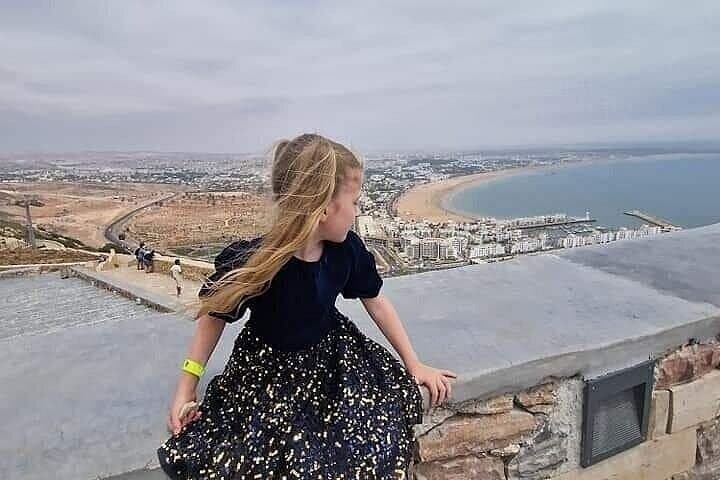


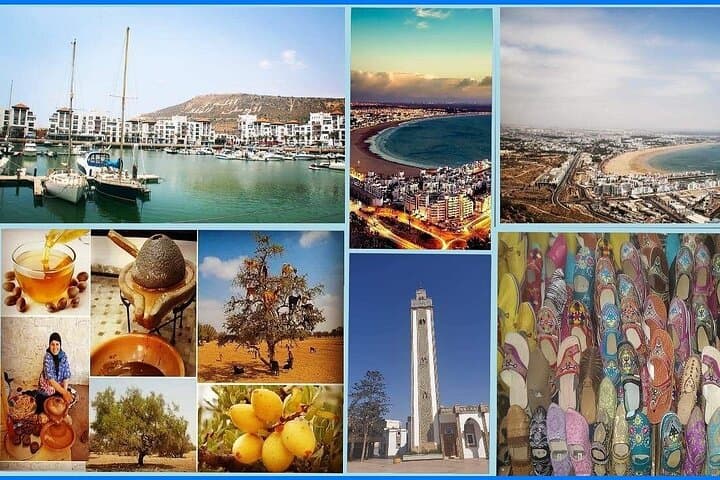
Morning light slants across Agadir’s wide bay as you step into an air‑conditioned vehicle and head for the marina—yachts glinting, café terraces already warming to the day. The guide sets the pace: a short coastal drive, a climb to the ruins of Agadir Oufella for sweeping views, then down into neighborhoods, a mosque visit and the busy arteries of Souk El Had.
Morning light slants across Agadir’s wide bay as you step into an air‑conditioned vehicle and head for the marina—yachts glinting, café terraces already warming to the day. The guide sets the pace: a short coastal drive, a climb to the ruins of Agadir Oufella for sweeping views, then down into neighborhoods, a mosque visit and the busy arteries of Souk El Had.
Agadir sits on a swept Atlantic curve in southern Morocco. The modern city rose after the catastrophic 1960 earthquake; the Kasbah’s scarred stone and crumbling walls are a visible link to a 16th‑century fortification and an earlier era of trade and fishermen’s hamlets. Geologically, the coastline is a mix of sedimentary terraces and wind‑sculpted dunes that frame the harbor. Culturally, the city blends Amazigh (Berber) traditions, Arab customs and a pragmatic seaside tourism economy—evident in crafts, argan oil stalls and daily markets.
Practical guidance: plan the tour for the morning when temperatures are milder, bring a sun hat and reusable water bottle, and wear comfortable walking shoes for uneven Kasbah stone and market alleys. The itinerary moves at an easy pace with short walks—expect photo stops, a guided walk through Souk El Had, and time for shopping. Cash (dirhams) is useful for small purchases; your guide will advise on bargaining etiquette.
This private, roughly 3½‑hour tour is accessible for most visitors and provides a compact primer on Agadir’s landscape, history and living culture—ideal for first‑time visitors who want to feel the city’s rhythm without committing to long hikes or long transfers.