THE ADVENTURE COLLECTIVE® · Independent discovery and booking for outdoor travel

Spend a half-day digging through 500-million-year-old shale near Delta, Utah, to find museum-quality trilobite fossils. Expert guidance, tools provided, and hands-on collecting in one of the richest Cambrian formations on Earth.
Spend a half-day digging through 500-million-year-old shale near Delta, Utah, to find museum-quality trilobite fossils. Expert guidance, tools provided, and hands-on collecting in one of the richest Cambrian formations on Earth.
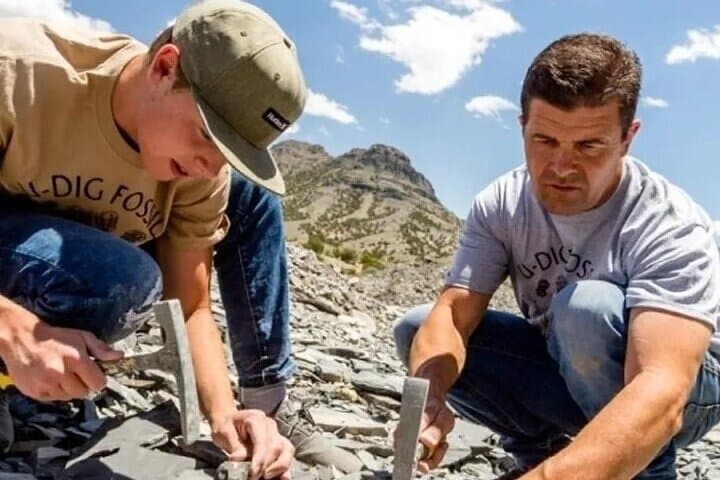
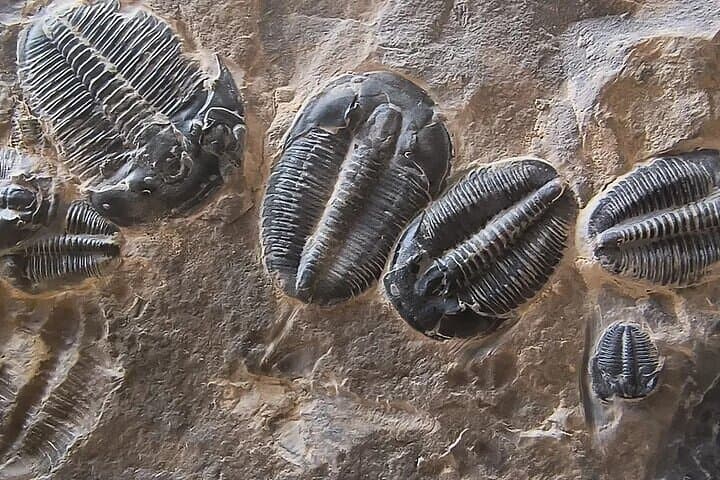
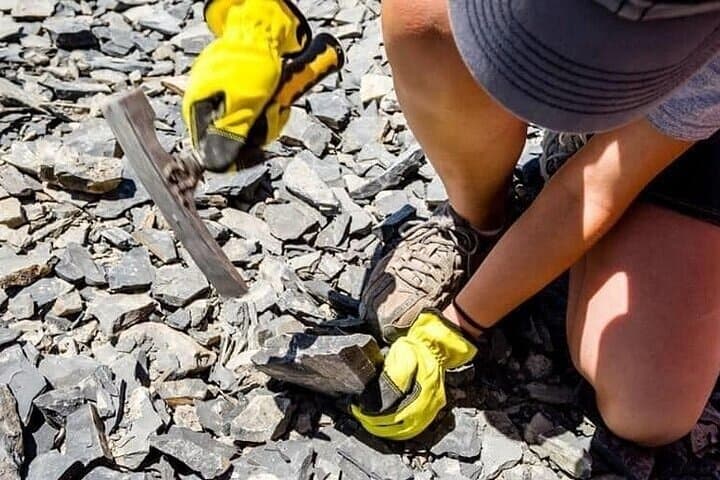
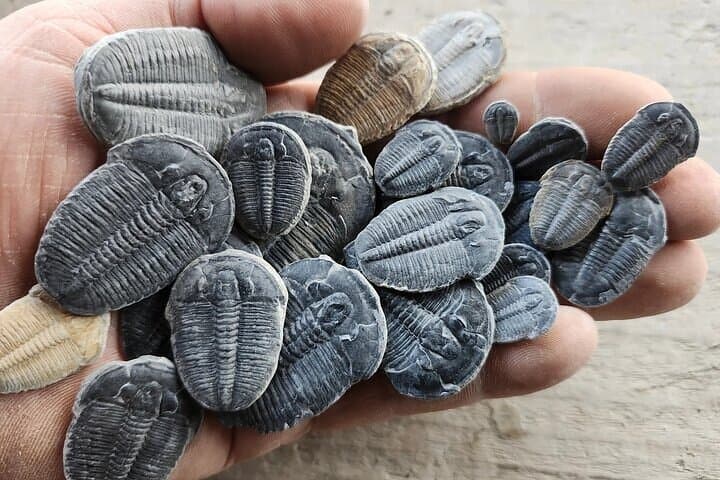
You step out of the van onto broken shale under a wide, bright sky — wind sifts dust across the slope and the quarry face rises like a page of Earth's oldest notebooks. Shale plates split in your hands reveal curled trilobites and segmented exoskeletons that survived 500 million years; the air smells faintly of dry rock and mineral dust.
Verified experiences and guided adventures in the surrounding area.
Operated by U-Dig Fossils · Delta, Utah
You step out of the van onto broken shale under a wide, bright sky — wind sifts dust across the slope and the quarry face rises like a page of Earth's oldest notebooks. Shale plates split in your hands reveal curled trilobites and segmented exoskeletons that survived 500 million years; the air smells faintly of dry rock and mineral dust.
This stretch of the House Range exposes Cambrian-age Wheeler and Marjum shales, layers formed in a shallow inland sea where early arthropods thrived. Collectors and paleontologists have worked these beds for decades; the specimens found here helped clarify early animal evolution and put central Utah on the map for Cambrian fossils.
Local culture mixes ranching and scattershot desert towns — Delta is the nearest service hub, with the logistical infrastructure visitors need before heading out. Expect open country, scrub sage, and views of the surrounding ranges that frame this quiet, ancient landscape.
Practical guidance: meet the operator at the staging area, receive safety briefing and tools, then search designated collecting zones under supervision. Wear closed-toe shoes, bring 2–3 liters of water, sun protection, and layers for changing desert temperatures. Photography is allowed; excavation follows site rules and limits to protect the deposit. The site is accessible to most fitness levels but uneven ground and loose shale require steady footing.
Whether you’re an experienced collector or a curious first-timer, this half-day gives you hands-on access to one of the planet’s pivotal fossil windows — real field work, clear context, and the chance to walk away with a piece of deep time.
easy.
4 hours.
Suitable for most people with light mobility; requires walking on uneven ground and standing for extended periods.
Yes—within the operator’s permitted collecting zones you may keep personal finds; follow on-site rules about size and permitted material.
The activity is family-friendly but children should be supervised closely; operators assess age-appropriateness and safety on arrival.
Basic tools are provided by the operator, though many collectors bring small brushes or safety glasses for comfort.
Tours may be canceled for severe weather; you can cancel up to 24 hours before for a full refund per the booking policy.
The Wheeler and Marjum shales around Delta are famous Cambrian fossil beds; finds from these layers have been central to studies of early marine ecosystems.
Collecting is managed to protect the formation—stay within designated areas, minimize disturbance, and pack out all trash to preserve the site for research and future visitors.
U-Dig Fossils operates guided outdoor trips and adventures with an emphasis on safety, stewardship, and memorable experiences.
You step out of the van onto broken shale under a wide, bright sky — wind sifts dust across the slope and the quarry face rises like a page of Earth's oldest notebooks. Shale plates split in your hands reveal curled trilobites and segmented exoskeletons that survived 500 million years; the air smells faintly of dry rock and mineral dust.
You step out of the van onto broken shale under a wide, bright sky — wind sifts dust across the slope and the quarry face rises like a page of Earth's oldest notebooks. Shale plates split in your hands reveal curled trilobites and segmented exoskeletons that survived 500 million years; the air smells faintly of dry rock and mineral dust.
This stretch of the House Range exposes Cambrian-age Wheeler and Marjum shales, layers formed in a shallow inland sea where early arthropods thrived. Collectors and paleontologists have worked these beds for decades; the specimens found here helped clarify early animal evolution and put central Utah on the map for Cambrian fossils.
Local culture mixes ranching and scattershot desert towns — Delta is the nearest service hub, with the logistical infrastructure visitors need before heading out. Expect open country, scrub sage, and views of the surrounding ranges that frame this quiet, ancient landscape.
Practical guidance: meet the operator at the staging area, receive safety briefing and tools, then search designated collecting zones under supervision. Wear closed-toe shoes, bring 2–3 liters of water, sun protection, and layers for changing desert temperatures. Photography is allowed; excavation follows site rules and limits to protect the deposit. The site is accessible to most fitness levels but uneven ground and loose shale require steady footing.
Whether you’re an experienced collector or a curious first-timer, this half-day gives you hands-on access to one of the planet’s pivotal fossil windows — real field work, clear context, and the chance to walk away with a piece of deep time.