THE ADVENTURE COLLECTIVE® · Independent discovery and booking for outdoor travel

Spend five days tracing history and highland life by jeep through Dien Bien Phu — battlefield sites, ethnic villages, waterfalls and homestays. This practical guide outlines what to expect, how to pack and where the road takes you.
Spend five days tracing history and highland life by jeep through Dien Bien Phu — battlefield sites, ethnic villages, waterfalls and homestays. This practical guide outlines what to expect, how to pack and where the road takes you.
Morning mist peels off the rice terraces as the jeep grinds up a switchback road; terraces and limestone ridges open like pages of a rugged history book and the Black River threads below, daring you to follow. Over five days and four nights this route stitches together battlefield sites, highland villages and remote waterfalls — each stop a change in tempo from reflective to celebratory.
Verified experiences and guided adventures in the surrounding area.
Operated by Authentic Travel Ho Chi Minh · Dien Bien Phu, Dien Bien Province
Morning mist peels off the rice terraces as the jeep grinds up a switchback road; terraces and limestone ridges open like pages of a rugged history book and the Black River threads below, daring you to follow. Over five days and four nights this route stitches together battlefield sites, highland villages and remote waterfalls — each stop a change in tempo from reflective to celebratory.
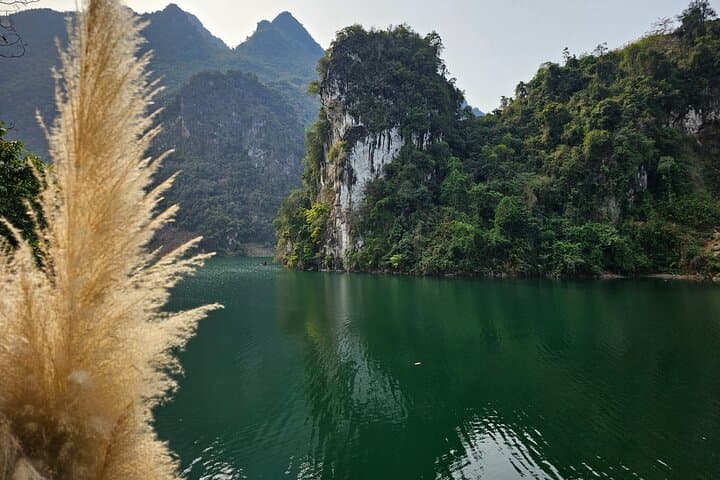
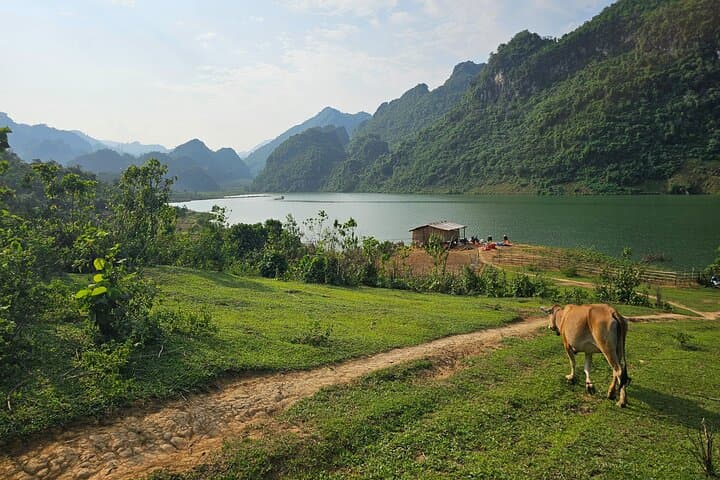
Dien Bien Phu’s landscape is shaped by folded sedimentary limestone and steep valleys that funneled armies during the decisive 1954 campaign; today those same contours hold ethnic Thai, Hmong, Dao and Xa Phang communities whose cultural practices and stilted houses reflect centuries of mountain life. Geology produces terraces and karst features; hydrology centers on rivers that sustain the paddies and villages. Local homestays offer direct cultural exchange — communal meals, traditional dress and storytelling — and visits to Muong Phang headquarters put military history in plain sight.
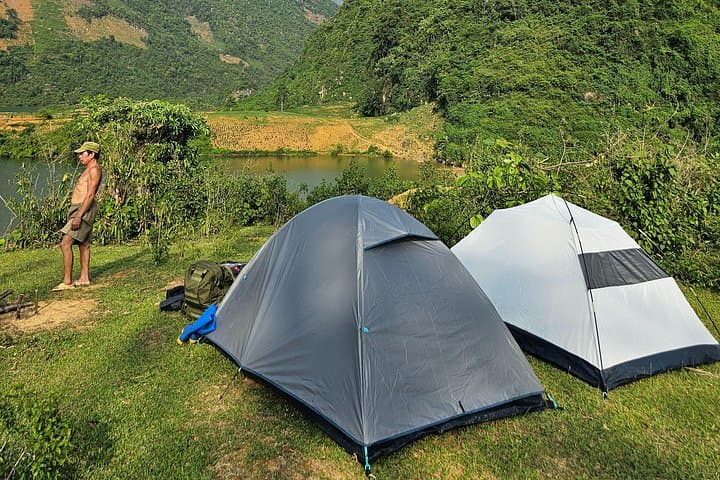
Practical guidance: expect long drives on rough, unpaved mountain roads with daily legs of 30–50 km between stops and an altitude swing up to about 1,500 m. Accommodations are family-run homestays — modest, warm and best appreciated with an open schedule. Bring layered clothing for cool nights, sturdy shoes for short village walks and a small daypack for waterfall hikes. Hydrate on the road, carry basic medications, and budget extra time for photo stops and market visits. Best travel windows are the dry months when roads are more reliable; booking ahead secures homestays and a local English-speaking guide who will translate both history and hospitality.
easy.
5 days (approx. 40–50 hours).
Suitable for travelers in general health who can handle multi-hour drives, short village walks and uneven paths; minimal sustained exertion required.
The tour is rated easy—most activity is travel and short village walks; no technical trekking is required, but be prepared for uneven surfaces.
Homestays are family-run and basic but clean; expect shared facilities, local food and culturally immersive hospitality rather than hotel amenities.
The tour uses a Jeep or minivan with multi-day transfers; confirm pickup point in Dien Bien city when booking and expect variable road conditions.
Guides typically speak English and Vietnamese; ethnic minority languages are common in villages—guides facilitate communication during visits.
Dien Bien Phu is best known for the 1954 battle that ended French colonial rule in Indochina; Muong Phang served as the Viet Minh headquarters during the campaign.
Rural communities rely on sustainable rice terraces and river systems; travelers should minimize waste, avoid single-use plastics and respect local water sources.
Authentic Travel Ho Chi Minh operates guided outdoor trips and adventures with an emphasis on safety, stewardship, and memorable experiences.

Morning mist peels off the rice terraces as the jeep grinds up a switchback road; terraces and limestone ridges open like pages of a rugged history book and the Black River threads below, daring you to follow. Over five days and four nights this route stitches together battlefield sites, highland villages and remote waterfalls — each stop a change in tempo from reflective to celebratory.
Morning mist peels off the rice terraces as the jeep grinds up a switchback road; terraces and limestone ridges open like pages of a rugged history book and the Black River threads below, daring you to follow. Over five days and four nights this route stitches together battlefield sites, highland villages and remote waterfalls — each stop a change in tempo from reflective to celebratory.
Dien Bien Phu’s landscape is shaped by folded sedimentary limestone and steep valleys that funneled armies during the decisive 1954 campaign; today those same contours hold ethnic Thai, Hmong, Dao and Xa Phang communities whose cultural practices and stilted houses reflect centuries of mountain life. Geology produces terraces and karst features; hydrology centers on rivers that sustain the paddies and villages. Local homestays offer direct cultural exchange — communal meals, traditional dress and storytelling — and visits to Muong Phang headquarters put military history in plain sight.
Practical guidance: expect long drives on rough, unpaved mountain roads with daily legs of 30–50 km between stops and an altitude swing up to about 1,500 m. Accommodations are family-run homestays — modest, warm and best appreciated with an open schedule. Bring layered clothing for cool nights, sturdy shoes for short village walks and a small daypack for waterfall hikes. Hydrate on the road, carry basic medications, and budget extra time for photo stops and market visits. Best travel windows are the dry months when roads are more reliable; booking ahead secures homestays and a local English-speaking guide who will translate both history and hospitality.