THE ADVENTURE COLLECTIVE® · Independent discovery and booking for outdoor travel

A full-day guided exploration of Dien Bien Phu’s decisive 1954 battle sites, Victory Museum, Black Thai villages and Pha Khoang Lake. Expect a mix of easy hikes, museum time, and authentic village lunch over nine hours.
A full-day guided exploration of Dien Bien Phu’s decisive 1954 battle sites, Victory Museum, Black Thai villages and Pha Khoang Lake. Expect a mix of easy hikes, museum time, and authentic village lunch over nine hours.
You step from the jeep into a wind that pushes across rice terraces and low limestone ridges, the city of Dien Bien Phu pinned to the valley below. Morning light cuts across the Victory Museum’s modern façade; flags stir above the Martyrs’ Cemetery and the smell of wood smoke drifts from a Black Thai homestay where lunch will be served.
Verified experiences and guided adventures in the surrounding area.
Operated by Local Tours HALONG · Dien Bien Phu, Dien Bien Province
You step from the jeep into a wind that pushes across rice terraces and low limestone ridges, the city of Dien Bien Phu pinned to the valley below. Morning light cuts across the Victory Museum’s modern façade; flags stir above the Martyrs’ Cemetery and the smell of wood smoke drifts from a Black Thai homestay where lunch will be served.
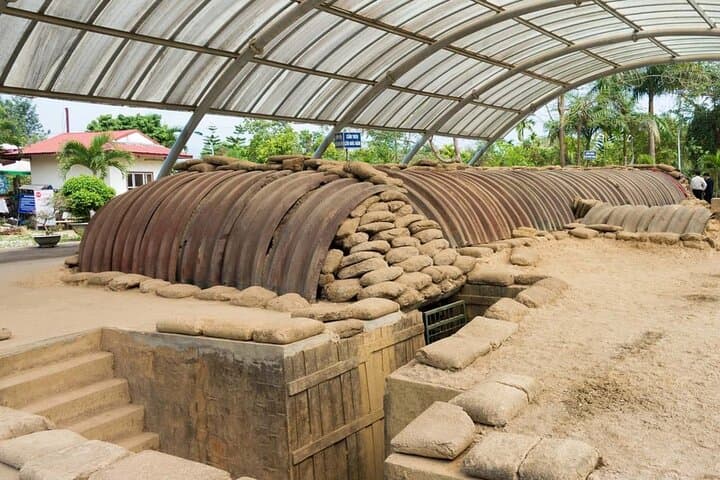
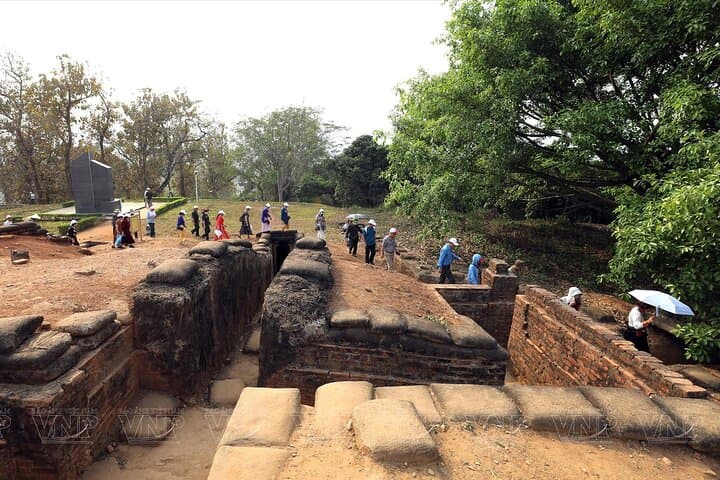
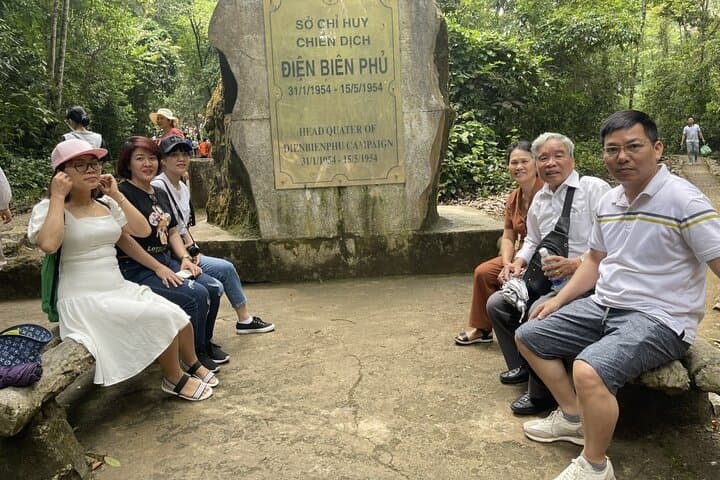
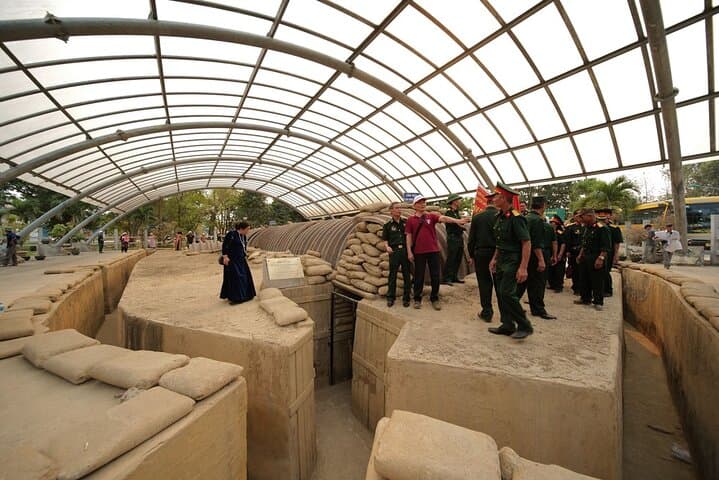
The day threads modern exhibits with field sites. At the Victory Museum, displays and artifacts lay out the 1954 campaign that forced France to the negotiating table and reshaped Southeast Asia. The battlefield hills—A1 and surrounding ridgelines—are carved from folded sedimentary rock, steep enough to have shaped tactics and patient enough to hold memory. In the higher Muong Phang and Ban Kha hamlets you meet Black Thai families whose terraces and stilt houses reflect centuries of upland agriculture and ethnic traditions.
Expect a full nine-hour day of easy walking, short uphill climbs and time off the beaten track. Guides explain military positions, point out cratered slopes and lead you to quiet viewpoints over Pha Khoang Lake where water birds patrol the shallows. Cultural pauses include a family-prepared Black Thai meal and chances to buy woven textiles in village markets.
Practical guidance: start early, bring layers for variable mountain sun and wind, and carry cash for small purchases in villages. Wear grippy shoes for uneven dirt tracks and be prepared to step respectfully through solemn sites like the Martyrs’ Cemetery. The route is rich in history and landscape—bring curiosity and comfortable footwear.
easy.
9 hours.
Suitable for most travelers who can manage several short walks, some uphill paths and a full day out; not strenuous but prolonged.
The itinerary indicates admission to the Victory Museum and Martyrs' Cemetery is included as noted in the tour details.
Yes—guides pick up participants from hotel lobbies in Dien Bien Phu city as the tour starts in the morning.
Yes—vegetarian requests can be accommodated if notified in advance so the homestay can prepare accordingly.
The tour is listed as suitable for all fitness levels but is not recommended for travelers with serious spinal, heart conditions or for pregnant travelers; check provider notes before booking.
Dien Bien Phu was the site of the 1954 decisive campaign where Vietnamese forces compelled French surrender, a turning point that influenced the Geneva Accords and regional decolonization.
Upland soils and terraces are sensitive to erosion—stick to established paths in villages and avoid disturbing agricultural plots; support local homestays and craft sellers for sustainable tourism benefits.
Local Tours HALONG operates guided outdoor trips and adventures with an emphasis on safety, stewardship, and memorable experiences.
You step from the jeep into a wind that pushes across rice terraces and low limestone ridges, the city of Dien Bien Phu pinned to the valley below. Morning light cuts across the Victory Museum’s modern façade; flags stir above the Martyrs’ Cemetery and the smell of wood smoke drifts from a Black Thai homestay where lunch will be served.
You step from the jeep into a wind that pushes across rice terraces and low limestone ridges, the city of Dien Bien Phu pinned to the valley below. Morning light cuts across the Victory Museum’s modern façade; flags stir above the Martyrs’ Cemetery and the smell of wood smoke drifts from a Black Thai homestay where lunch will be served.
The day threads modern exhibits with field sites. At the Victory Museum, displays and artifacts lay out the 1954 campaign that forced France to the negotiating table and reshaped Southeast Asia. The battlefield hills—A1 and surrounding ridgelines—are carved from folded sedimentary rock, steep enough to have shaped tactics and patient enough to hold memory. In the higher Muong Phang and Ban Kha hamlets you meet Black Thai families whose terraces and stilt houses reflect centuries of upland agriculture and ethnic traditions.
Expect a full nine-hour day of easy walking, short uphill climbs and time off the beaten track. Guides explain military positions, point out cratered slopes and lead you to quiet viewpoints over Pha Khoang Lake where water birds patrol the shallows. Cultural pauses include a family-prepared Black Thai meal and chances to buy woven textiles in village markets.
Practical guidance: start early, bring layers for variable mountain sun and wind, and carry cash for small purchases in villages. Wear grippy shoes for uneven dirt tracks and be prepared to step respectfully through solemn sites like the Martyrs’ Cemetery. The route is rich in history and landscape—bring curiosity and comfortable footwear.