THE ADVENTURE COLLECTIVE® · Independent discovery and booking for outdoor travel

Fly from Hanoi into the Muong Thanh basin for a focused three-day exploration of Dien Bien Phu’s battlefields, markets and highland culture. This tour blends battlefield sites—De Castries’ bunker, A1 Hill—and local experiences like Muong Phang market and a homestay herbal bath.
Fly from Hanoi into the Muong Thanh basin for a focused three-day exploration of Dien Bien Phu’s battlefields, markets and highland culture. This tour blends battlefield sites—De Castries’ bunker, A1 Hill—and local experiences like Muong Phang market and a homestay herbal bath.
You step out of the small jet into a valley that seems to hold time: Muong Thanh Field spreading like a green basin, the Nam Rom river threading between low limestone ridges and villages built into the slopes.
Verified experiences and guided adventures in the surrounding area.
Operated by Authentic Travel Ho Chi Minh · Dien Bien Phu, Điện Biên
You step out of the small jet into a valley that seems to hold time: Muong Thanh Field spreading like a green basin, the Nam Rom river threading between low limestone ridges and villages built into the slopes.
Over three days this trip moves at a steady, deliberate pace—air transfer from Hanoi, a base in Dien Bien Phu, and guided walks to bunkers, hills and markets where the landscape itself still feels like a participant in history. Geologically the city sits in a flat intermontane basin ringed by folded, weathered karst ridges; those ridges shaped the battle lines of 1954 and now frame terraces and pa Khoang Lake’s blue surface. Culturally, the region is woven with Thai, Hmong and Khmu traditions: you’ll see brocade at Muong Phang Market and try herbal baths at a homestay.
Historically, the itinerary prioritizes context: De Castries' bunker, A1 Hill (Eliane 2), the Victory Monument and the hidden Muong Phang headquarters give a layered view of the Dien Bien Phu Campaign and the local resistance that predates it, like Ban Phu Citadel from the 18th century.
Practical guidance: flights save transit time but bring light layered clothing for rapid weather shifts, sensible walking shoes for uneven memorial sites, and respect for memorial etiquette (no loud behavior at war sites). Plan mornings for outdoor visits when visibility and temperatures are best; markets and homestays are prime for cultural exchange in the afternoons. Bring cash for rural purchases and allow buffer time for domestic flight schedules—this trip trades long drives for concentrated historical and cultural immersion.
easy.
3 days.
Suitable for travelers in average physical condition; involves short walks, stairs and uneven ground at memorial sites and markets
Yes, there are regular domestic flights but frequencies vary by season—book early and confirm times the day before travel.
The tour includes entry tickets for key sites listed in the itinerary, but small local fees (photo or guide fees) may be extra.
Sites involve stairs, uneven ground and some short walks; it’s generally suitable for most travelers but not recommended for those with major mobility restrictions.
Local transactions use Vietnamese dong and Vietnamese is the primary language; guides usually speak English, and basic translation apps help at markets.
Dien Bien Phu’s modern renown comes from the 1954 campaign, but the Muong Thanh basin has long been a crossroads for Thai and Hmong communities and hosted earlier citadels like Ban Phu from the 18th century.
This region balances heritage tourism with fragile highland ecosystems—stick to marked paths, avoid single-use plastics, and support local vendors to keep economic benefits in the community.
Authentic Travel Ho Chi Minh operates guided outdoor trips and adventures with an emphasis on safety, stewardship, and memorable experiences.
You step out of the small jet into a valley that seems to hold time: Muong Thanh Field spreading like a green basin, the Nam Rom river threading between low limestone ridges and villages built into the slopes.
You step out of the small jet into a valley that seems to hold time: Muong Thanh Field spreading like a green basin, the Nam Rom river threading between low limestone ridges and villages built into the slopes.
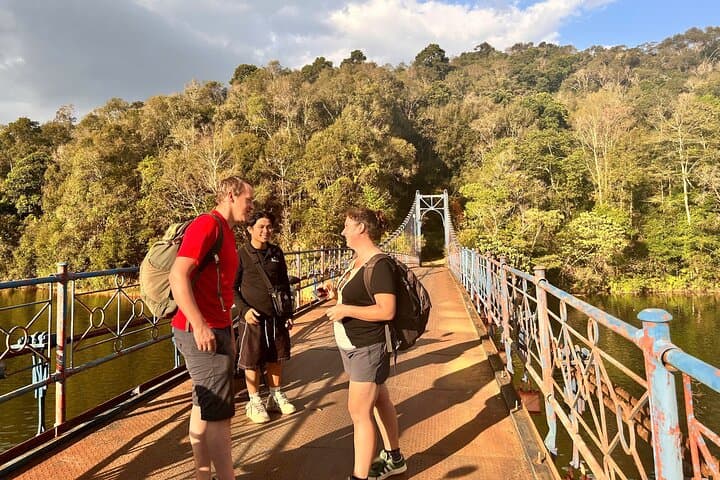
Over three days this trip moves at a steady, deliberate pace—air transfer from Hanoi, a base in Dien Bien Phu, and guided walks to bunkers, hills and markets where the landscape itself still feels like a participant in history. Geologically the city sits in a flat intermontane basin ringed by folded, weathered karst ridges; those ridges shaped the battle lines of 1954 and now frame terraces and pa Khoang Lake’s blue surface. Culturally, the region is woven with Thai, Hmong and Khmu traditions: you’ll see brocade at Muong Phang Market and try herbal baths at a homestay.
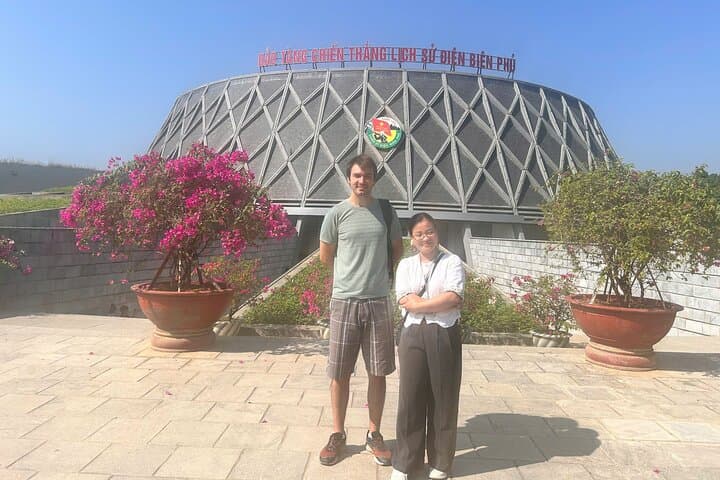
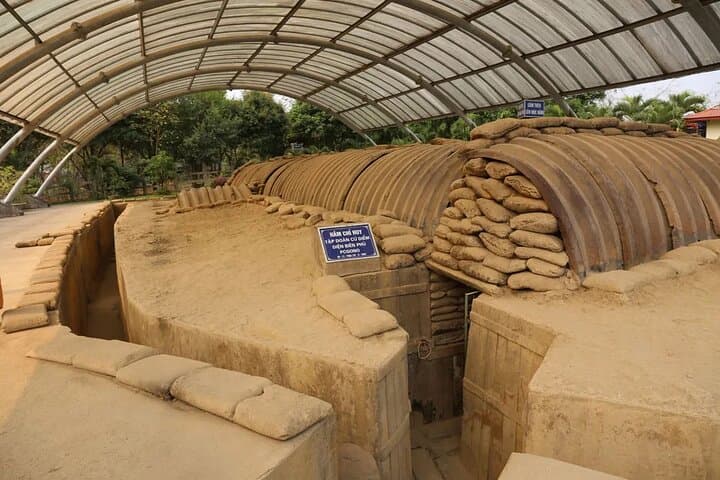
Historically, the itinerary prioritizes context: De Castries' bunker, A1 Hill (Eliane 2), the Victory Monument and the hidden Muong Phang headquarters give a layered view of the Dien Bien Phu Campaign and the local resistance that predates it, like Ban Phu Citadel from the 18th century.
Practical guidance: flights save transit time but bring light layered clothing for rapid weather shifts, sensible walking shoes for uneven memorial sites, and respect for memorial etiquette (no loud behavior at war sites). Plan mornings for outdoor visits when visibility and temperatures are best; markets and homestays are prime for cultural exchange in the afternoons. Bring cash for rural purchases and allow buffer time for domestic flight schedules—this trip trades long drives for concentrated historical and cultural immersion.