THE ADVENTURE COLLECTIVE® · Independent discovery and booking for outdoor travel

Three days from Hanoi through the Muong Thanh basin—this expedition pairs decisive 1954 battle sites with highland culture and lakeside calm. Expect private transfers, guided battlefield tours and a night in a traditional homestay.
Three days from Hanoi through the Muong Thanh basin—this expedition pairs decisive 1954 battle sites with highland culture and lakeside calm. Expect private transfers, guided battlefield tours and a night in a traditional homestay.
You step off the small regional flight and feel the basin open around you: a patchwork of rice paddies bounded by low, green ridges and the slow sweep of the Nam Rom River. The air carries smoke from cooking fires and the low, steady hum of village life—this is Dien Bien Phu, a place where landscape and history press close.
Verified experiences and guided adventures in the surrounding area.
Operated by Authentic Travel HOI AN · Dien Bien Phu, Điện Biên
You step off the small regional flight and feel the basin open around you: a patchwork of rice paddies bounded by low, green ridges and the slow sweep of the Nam Rom River. The air carries smoke from cooking fires and the low, steady hum of village life—this is Dien Bien Phu, a place where landscape and history press close.
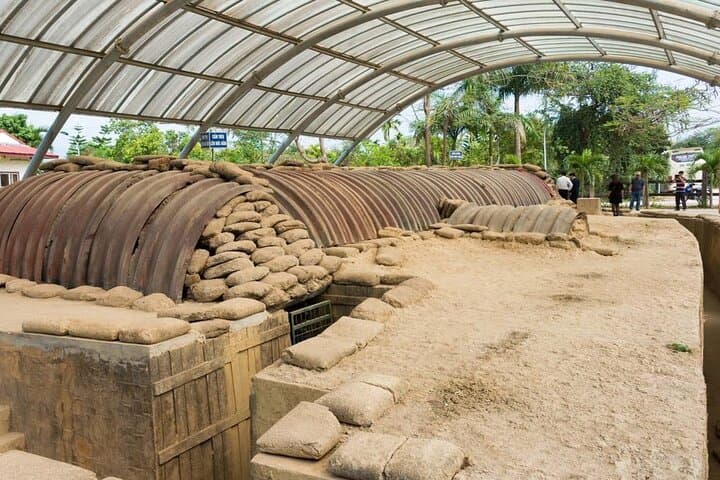
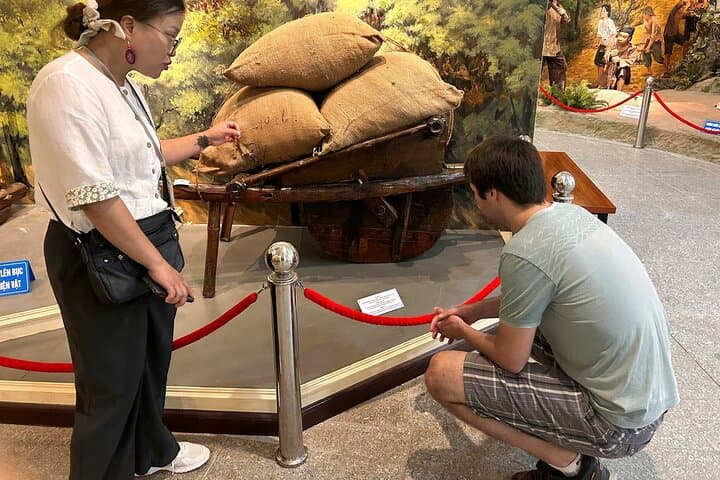
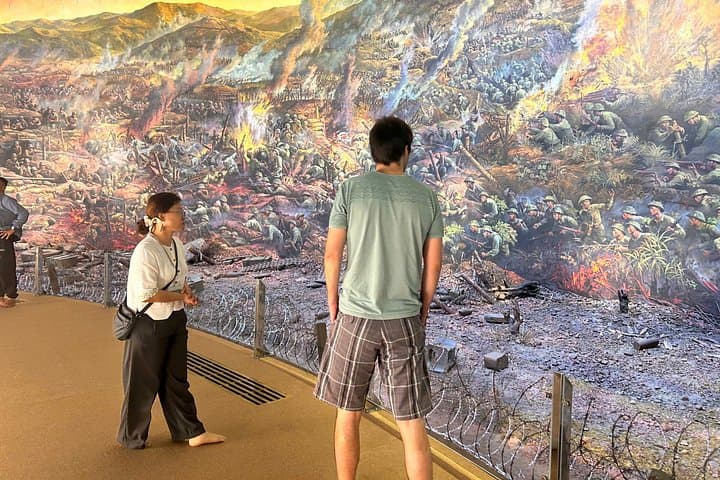
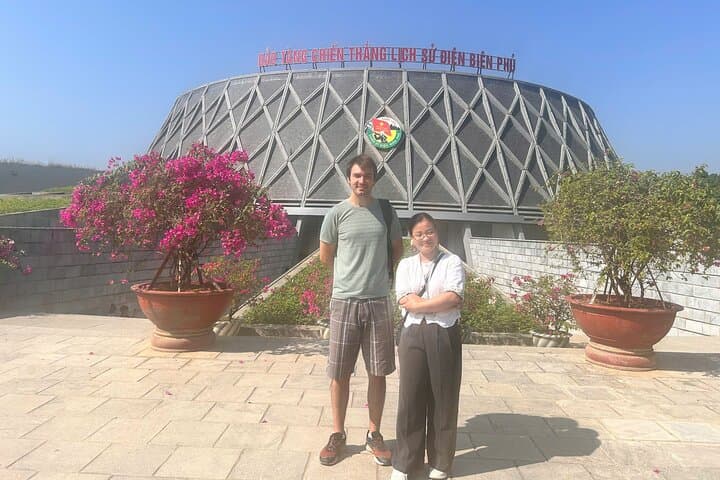
Over three days the expedition moves at a deliberate pace: arrival and a first look across Muong Thanh Field, a tour of the De Castries Bunker and A1 Hill, and a full day around Muong Phang where the underground headquarters once directed the 1954 campaign. The Dien Bien Phu Victory Museum and D1 Victory Monument frame the narrative with artifacts, maps and interpretation while visits to Ban Phu Citadel and local homes introduce regional Thai and Hmong culture. Pa Khoang Lake and an ecolodge stop on day three offer a quieter counterpoint—cool water and terraced fields that reveal the basin’s geology and the human patterns shaped by it.
Expect short walks, stair climbs at memorials, and vehicle transfers by private car; accommodation alternates between simple hotels and a homestay with an herbal bath. Guides will explain battle tactics, colonial-era earthworks and how the valley’s flat floor amplified artillery effects.
Practical tips: travel light, carry cash for markets, and plan for sudden rain in the monsoon months. The itinerary is historically dense but physically easy; bring respectful clothing for village visits and a sense of patience—this is a trip where stories unfold at walking speed.
easy.
3 days.
Suitable for most travelers; involves short walks, stairs, and vehicle transfers rather than sustained hiking.
The trip includes round-trip regional flights between Hanoi and Dien Bien Phu; the operator arranges airport pick-up and private transfers on arrival.
The tour is rated easy—most activities are short walks, site visits and vehicle transfers; minimal endurance fitness is needed.
Yes—lunches for each day and most breakfasts/dinners are included; the itinerary specifies three lunches, two dinners and two breakfasts.
Yes—advance notice is requested so hosts and guides can prepare suitable vegetarian meals, especially at homestays.
Dien Bien Phu’s 1954 battle ended major French colonial control in Indochina; many sites in the basin—bunkers, hills and museums—preserve that turning point in modern Vietnamese history.
The basin’s rice paddies and lakes depend on traditional farming; visitors should avoid littering, respect private farmland and limit noise at homestays to support local livelihoods.
Authentic Travel HOI AN operates guided outdoor trips and adventures with an emphasis on safety, stewardship, and memorable experiences.
You step off the small regional flight and feel the basin open around you: a patchwork of rice paddies bounded by low, green ridges and the slow sweep of the Nam Rom River. The air carries smoke from cooking fires and the low, steady hum of village life—this is Dien Bien Phu, a place where landscape and history press close.
You step off the small regional flight and feel the basin open around you: a patchwork of rice paddies bounded by low, green ridges and the slow sweep of the Nam Rom River. The air carries smoke from cooking fires and the low, steady hum of village life—this is Dien Bien Phu, a place where landscape and history press close.
Over three days the expedition moves at a deliberate pace: arrival and a first look across Muong Thanh Field, a tour of the De Castries Bunker and A1 Hill, and a full day around Muong Phang where the underground headquarters once directed the 1954 campaign. The Dien Bien Phu Victory Museum and D1 Victory Monument frame the narrative with artifacts, maps and interpretation while visits to Ban Phu Citadel and local homes introduce regional Thai and Hmong culture. Pa Khoang Lake and an ecolodge stop on day three offer a quieter counterpoint—cool water and terraced fields that reveal the basin’s geology and the human patterns shaped by it.
Expect short walks, stair climbs at memorials, and vehicle transfers by private car; accommodation alternates between simple hotels and a homestay with an herbal bath. Guides will explain battle tactics, colonial-era earthworks and how the valley’s flat floor amplified artillery effects.
Practical tips: travel light, carry cash for markets, and plan for sudden rain in the monsoon months. The itinerary is historically dense but physically easy; bring respectful clothing for village visits and a sense of patience—this is a trip where stories unfold at walking speed.