THE ADVENTURE COLLECTIVE® · Independent discovery and booking for outdoor travel

A guided day hike from Dhulikhel to Namo Buddha blends Himalayan views, active pilgrimage sites, and village trails. Expect a long but manageable day with steep stairs, tea stops, and rich cultural context led by a local guide.
A guided day hike from Dhulikhel to Namo Buddha blends Himalayan views, active pilgrimage sites, and village trails. Expect a long but manageable day with steep stairs, tea stops, and rich cultural context led by a local guide.
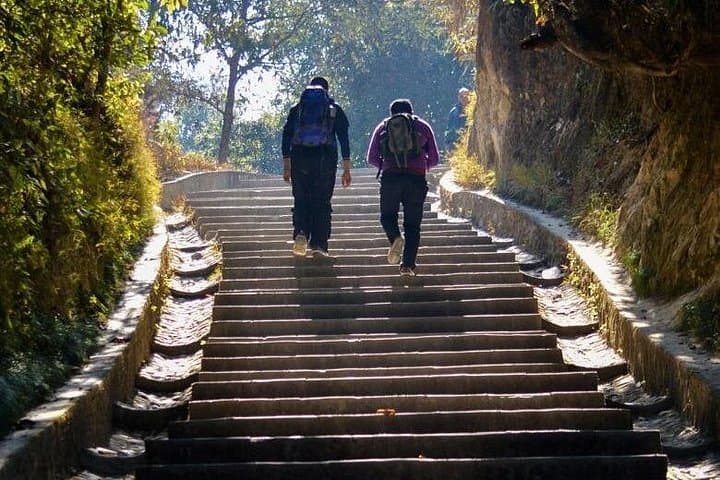
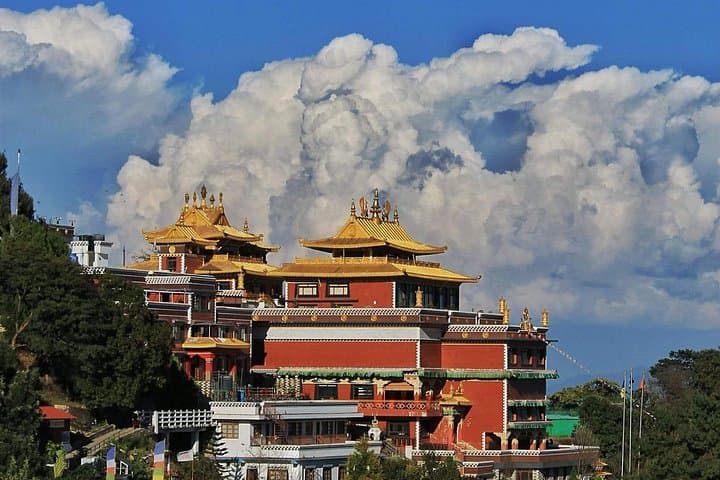
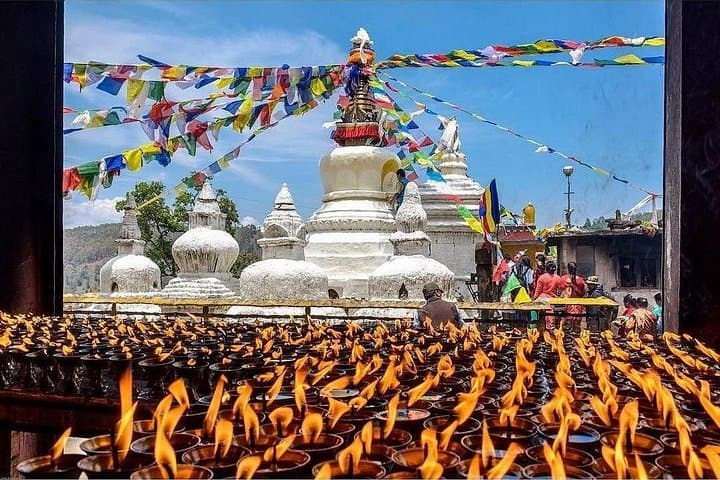
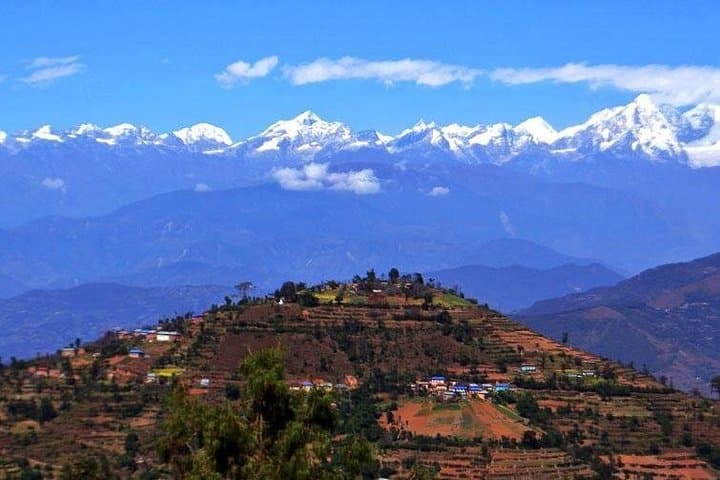
Morning light cuts across terraced fields as the minivan winds out of Kathmandu and the city’s haze falls behind you. By midmorning the road climbs into rhododendron and sal forest; birds call, clouds gather on ridge lines, and the monastery at Namo Buddha appears like a white page against green hills. The route combines short road transfers with a few hours of walking, a steep stair climb to Kali Temple, and pauses at stupas and gumbos that have guided local devotional life for centuries.
Verified experiences and guided adventures in the surrounding area.
Operated by Altitude Himalaya · Dhulikhel, Bagmati Province
Morning light cuts across terraced fields as the minivan winds out of Kathmandu and the city’s haze falls behind you. By midmorning the road climbs into rhododendron and sal forest; birds call, clouds gather on ridge lines, and the monastery at Namo Buddha appears like a white page against green hills. The route combines short road transfers with a few hours of walking, a steep stair climb to Kali Temple, and pauses at stupas and gumbos that have guided local devotional life for centuries.
This landscape sits on the lower Himalayan foothills where river valleys have carved terraces and exposed young metamorphic rock—an area shaped by tectonic uplift and persistent monsoon rains. Namo Buddha itself is an active pilgrimage site linked to Jataka tales of compassion; nearby Dhulikhel and Panauti preserve Newar architecture and living temple culture. Locals still tend the terraced farms you pass and will often greet hikers with a nod or tea offer.
Practically, expect a long day: approximately 10–11 hours door-to-door with several short hikes, one set of ~1,000 steps to Kali Temple, and uneven trail underfoot. Wear sturdy footwear with good grip for rocky and muddy sections, carry 2–3 liters of water, sun protection, and light rain layers—weather shifts quickly at these elevations. A guide handles navigation, explains cultural context, and times stops for photos and tea. Plan for altitudinal chill at the monastery (around 2,500 m) even in summer and leave space in your day for a quiet sit at a stupa to watch the Himalaya reveal themselves between cloud breaks.
moderate.
10–11 hours.
Suitable for hikers in moderate shape who can handle several hours of walking, stair climbs, and brief uphill sections.
Walking segments total several hours interspersed with vehicle transfers; plan for 3–5 hours of actual hiking plus time at sites and transit, within a 10–11 hour day.
The tour is family-friendly but the Kali Temple stairs and some uneven sections can be strenuous; children and older adults should assess stair-climbing ability and stamina.
According to the itinerary, admissions to sites like Namo Buddha and Kali Temple are included—confirm at booking for any changes.
Namo Buddha sits around 2,500–2,600 meters; short acclimatization is usually adequate, but monitor for mild altitude symptoms if you’ve recently arrived from low elevations.
Namo Buddha is associated with a Jataka tale of the Buddha sacrificing himself to feed a starving tigress; the site has been a regional pilgrimage destination for centuries and features active gompas and stupas.
Trails cross terraced farmland and regrowth forest—stay on designated paths, pack out waste, and avoid feeding wildlife to minimize human impact.
Altitude Himalaya operates guided outdoor trips and adventures with an emphasis on safety, stewardship, and memorable experiences.
Morning light cuts across terraced fields as the minivan winds out of Kathmandu and the city’s haze falls behind you. By midmorning the road climbs into rhododendron and sal forest; birds call, clouds gather on ridge lines, and the monastery at Namo Buddha appears like a white page against green hills. The route combines short road transfers with a few hours of walking, a steep stair climb to Kali Temple, and pauses at stupas and gumbos that have guided local devotional life for centuries.
Morning light cuts across terraced fields as the minivan winds out of Kathmandu and the city’s haze falls behind you. By midmorning the road climbs into rhododendron and sal forest; birds call, clouds gather on ridge lines, and the monastery at Namo Buddha appears like a white page against green hills. The route combines short road transfers with a few hours of walking, a steep stair climb to Kali Temple, and pauses at stupas and gumbos that have guided local devotional life for centuries.
This landscape sits on the lower Himalayan foothills where river valleys have carved terraces and exposed young metamorphic rock—an area shaped by tectonic uplift and persistent monsoon rains. Namo Buddha itself is an active pilgrimage site linked to Jataka tales of compassion; nearby Dhulikhel and Panauti preserve Newar architecture and living temple culture. Locals still tend the terraced farms you pass and will often greet hikers with a nod or tea offer.
Practically, expect a long day: approximately 10–11 hours door-to-door with several short hikes, one set of ~1,000 steps to Kali Temple, and uneven trail underfoot. Wear sturdy footwear with good grip for rocky and muddy sections, carry 2–3 liters of water, sun protection, and light rain layers—weather shifts quickly at these elevations. A guide handles navigation, explains cultural context, and times stops for photos and tea. Plan for altitudinal chill at the monastery (around 2,500 m) even in summer and leave space in your day for a quiet sit at a stupa to watch the Himalaya reveal themselves between cloud breaks.