THE ADVENTURE COLLECTIVE® · Independent discovery and booking for outdoor travel

Board a working wooden dhow in Pongwe and learn traditional Swahili sailing and fishing techniques from local crews. Expect hands-on instruction, shallow coral channels, and a simple fish soup shared ashore.
Board a working wooden dhow in Pongwe and learn traditional Swahili sailing and fishing techniques from local crews. Expect hands-on instruction, shallow coral channels, and a simple fish soup shared ashore.
The dhow drifts away from a white-edged shoreline and the Indian Ocean pushes you gently into the bay. Salt-scented wind tugs the late-morning sail as local crew call instructions and laughter threads through the rigging. You’re on a wooden Dhow — not a museum piece but a working boat — learning a rhythm that has fed island families for generations.
Verified experiences and guided adventures in the surrounding area.
Operated by Pongwe Tour & Safari · Pongwe, Zanzibar
The dhow drifts away from a white-edged shoreline and the Indian Ocean pushes you gently into the bay. Salt-scented wind tugs the late-morning sail as local crew call instructions and laughter threads through the rigging. You’re on a wooden Dhow — not a museum piece but a working boat — learning a rhythm that has fed island families for generations.
Pongwe’s shallow coral-fringed bay sits on Unguja’s east coast where reef, sand and current shape small, productive fishing grounds. The craft and techniques are Omani-influenced: triangular sails, hand lines and simple traps passed down through Swahili coastal culture. Geology here is reef and lagoon — living limestone and coral flats that force fish into narrow channels where local fishers have always set lines.
Culturally, this trip is as much about people as catch. Captains share stories of seasonal runs, communal ownership of nets, and a midday fish soup often prepared by family ashore. The experience teaches basic sail handling, baiting and casting with traditional gear; expect hands-on learning rather than sportfishing gadgetry.
Practical guidance: wear non-marking deck shoes and sun protection, bring a light waterproof layer for spray, and hydrate — tropical sun is deceptive. The tour lasts about three hours and is suitable for most fitness levels; motion sensitivity is the main limiter. Morning trips favor calmer seas and better light for reef spotting; midday visits often end with a simple meal cooked by the captain’s family.
Respect reef rules (no anchoring on coral), follow crew directions when boarding or hauling gear, and carry cash for small tips or local purchases. The reward is straightforward: a tactile connection to Zanzibar’s maritime past and the quiet satisfaction of learning to fish by sail.
easy.
3 hours.
Suitable for most fitness levels; basic balance and ability to board a low-sided boat required
The experience is approximately three hours from boarding to return; timing may vary slightly with tides and weather.
No—local captains provide hands-on instruction suitable for beginners; basic balance is helpful for moving on deck.
Soft drinks and a simple fish soup prepared by the captain’s family are typically included in midday trips.
Children are permitted if supervised; please disclose ages at booking so crew can advise on safety and seating.
Pongwe’s fishing methods reflect centuries of Swahili maritime exchange with Oman and the wider Indian Ocean trade network.
Avoid stepping on coral, refuse single-use plastics, and ask crews about sustainable catch practices to support reef health and local livelihoods.
Pongwe Tour & Safari operates guided outdoor trips and adventures with an emphasis on safety, stewardship, and memorable experiences.
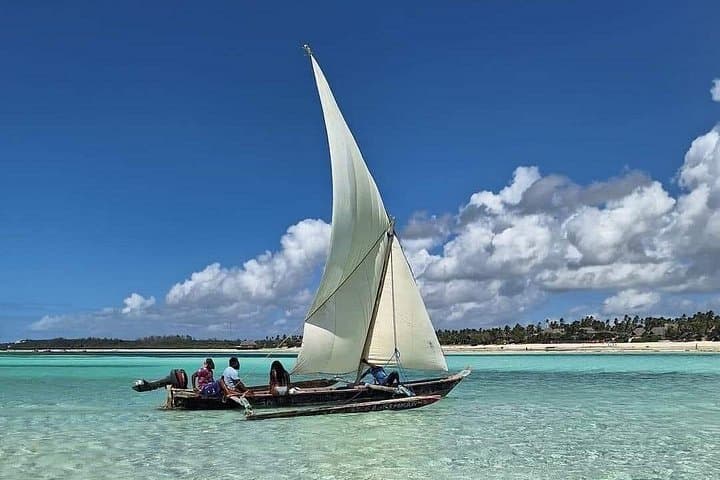
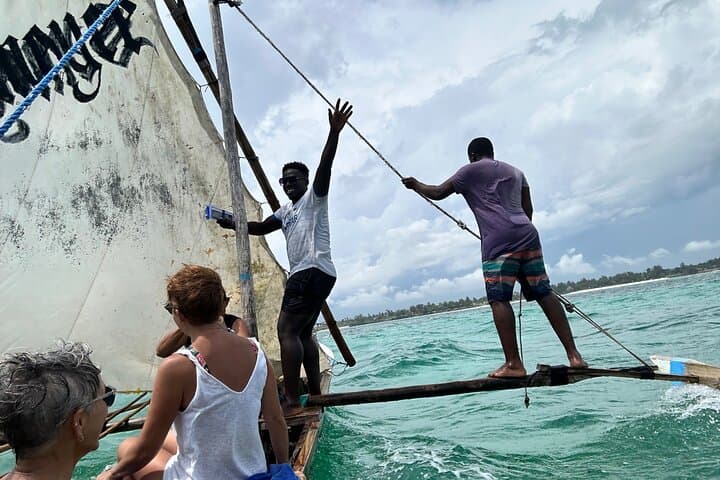
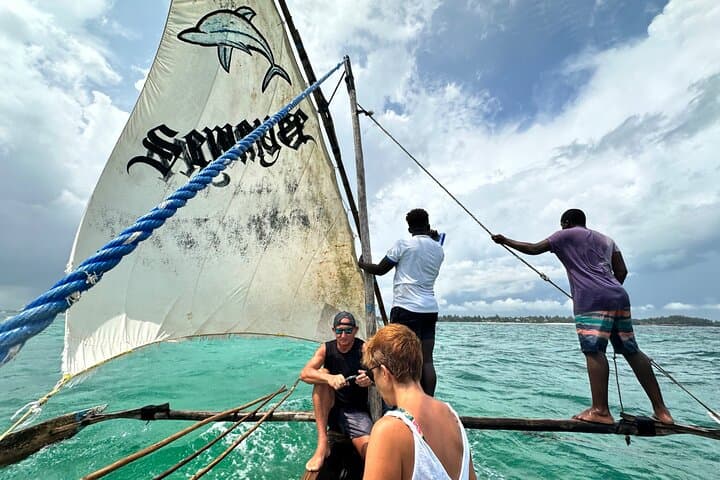
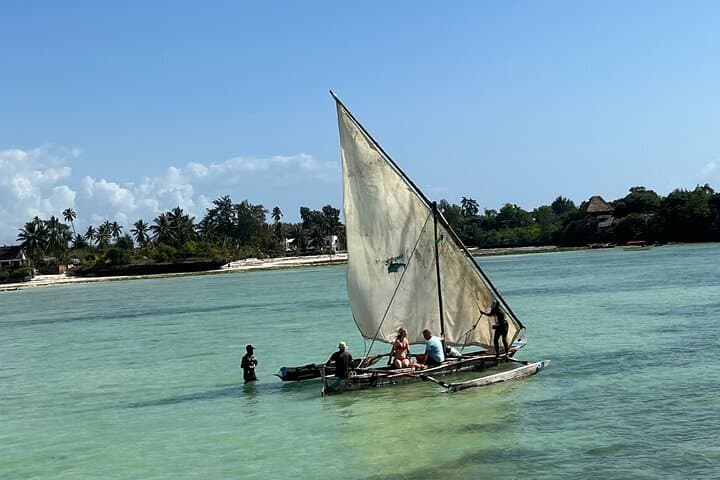
The dhow drifts away from a white-edged shoreline and the Indian Ocean pushes you gently into the bay. Salt-scented wind tugs the late-morning sail as local crew call instructions and laughter threads through the rigging. You’re on a wooden Dhow — not a museum piece but a working boat — learning a rhythm that has fed island families for generations.
The dhow drifts away from a white-edged shoreline and the Indian Ocean pushes you gently into the bay. Salt-scented wind tugs the late-morning sail as local crew call instructions and laughter threads through the rigging. You’re on a wooden Dhow — not a museum piece but a working boat — learning a rhythm that has fed island families for generations.
Pongwe’s shallow coral-fringed bay sits on Unguja’s east coast where reef, sand and current shape small, productive fishing grounds. The craft and techniques are Omani-influenced: triangular sails, hand lines and simple traps passed down through Swahili coastal culture. Geology here is reef and lagoon — living limestone and coral flats that force fish into narrow channels where local fishers have always set lines.
Culturally, this trip is as much about people as catch. Captains share stories of seasonal runs, communal ownership of nets, and a midday fish soup often prepared by family ashore. The experience teaches basic sail handling, baiting and casting with traditional gear; expect hands-on learning rather than sportfishing gadgetry.
Practical guidance: wear non-marking deck shoes and sun protection, bring a light waterproof layer for spray, and hydrate — tropical sun is deceptive. The tour lasts about three hours and is suitable for most fitness levels; motion sensitivity is the main limiter. Morning trips favor calmer seas and better light for reef spotting; midday visits often end with a simple meal cooked by the captain’s family.
Respect reef rules (no anchoring on coral), follow crew directions when boarding or hauling gear, and carry cash for small tips or local purchases. The reward is straightforward: a tactile connection to Zanzibar’s maritime past and the quiet satisfaction of learning to fish by sail.