THE ADVENTURE COLLECTIVE® · Independent discovery and booking for outdoor travel

A remote, multi-day trek through Nepal’s only hunting reserve, Dhorpatan offers open high meadows, forested passes and Himalayan panoramas. This private-guided route combines cultural stops, teahouse stays and the chance to see rare wildlife while hiking 5–7 hours a day.
A remote, multi-day trek through Nepal’s only hunting reserve, Dhorpatan offers open high meadows, forested passes and Himalayan panoramas. This private-guided route combines cultural stops, teahouse stays and the chance to see rare wildlife while hiking 5–7 hours a day.
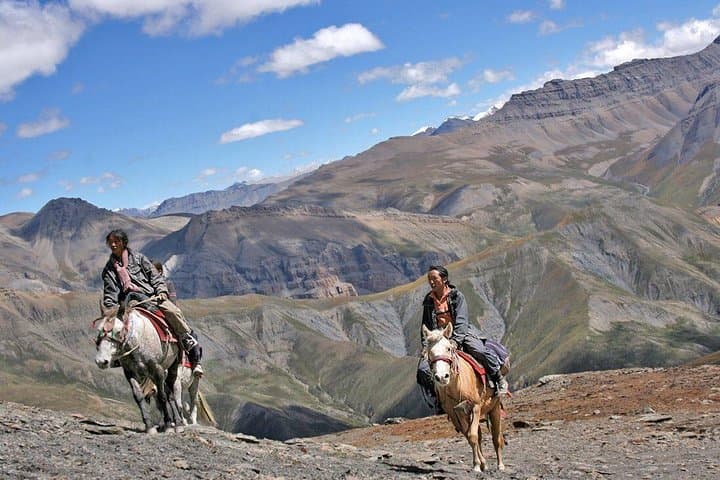
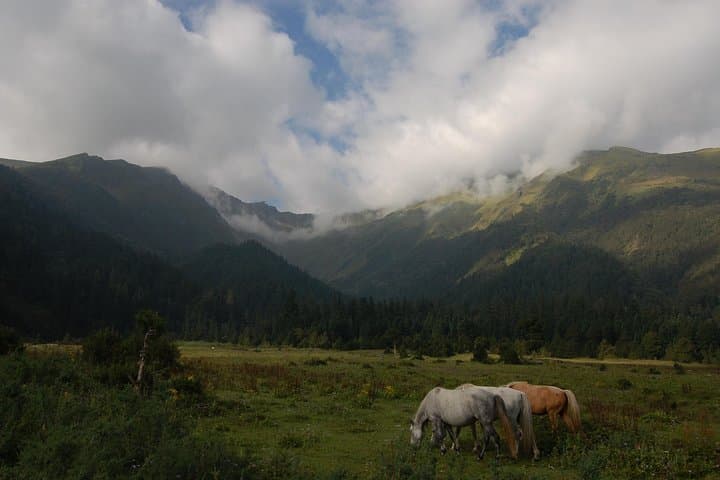
Cold air slices the morning as you climb through a stand of rhododendron and oak, each footstep loosening a century of leaf litter that smells of resin and damp earth. From low, populated valleys the trail rises into open grazing plateaus where the wind pushes you forward and jagged peaks—Dhaulagiri, Gurja Himal, Putha Hiunchuli—line the horizon like a folded map.
Verified experiences and guided adventures in the surrounding area.
Operated by Altitude Himalaya · Dhorpatan, Gandaki Province
Cold air slices the morning as you climb through a stand of rhododendron and oak, each footstep loosening a century of leaf litter that smells of resin and damp earth. From low, populated valleys the trail rises into open grazing plateaus where the wind pushes you forward and jagged peaks—Dhaulagiri, Gurja Himal, Putha Hiunchuli—line the horizon like a folded map.
Dhorpatan Hunting Reserve, established in 1987 and covering roughly 1,325 km², is unique in Nepal as a regulated hunting reserve that also supports pastoral communities. The valley’s bedrock and uplifted ridgelines record the collision of the Indian and Eurasian plates; glaciers once carved the basins you cross and left streams that still dare you to ford them.
Local villages mix Gurung and Magar cultural threads with high-altitude pastoral life—seasonal yak and sheep grazing, small tea houses, and shepherds’ stone shelters. Trails move through mixed conifer forest—fir, hemlock, spruce—before opening onto alpine meadows where blue sheep and Himalayan tahr browse. Sightings of musk deer or the elusive red panda are possible but rare.
Practical guidance: this is a multi-day guided trek with daily 5–7 hour sections, teahouse or tented accommodations, and porter support. Expect unpaved, sometimes steep trails, variable weather, and altitude up to roughly 3,500–3,800 m on high passes. Pack a warm, waterproof outer layer, sturdy boots, and a personal water treatment method. Travel in spring or autumn for the clearest mountain views; allow time for gradual acclimatization and follow your guide’s pace to reduce altitude risk.
challenging.
14–15 days.
Good aerobic fitness required—able to hike 5–7 hours daily on uneven terrain and handle sustained ascents and descents.
Yes—your operator handles national park/reserve entry permits and the TIMS card; confirm these are included before travel.
Typical high points reach approximately 3,500–3,800 metres—symptoms of altitude sickness can occur, so allow for acclimatization.
Teahouses and local lodges with basic facilities are used; some nights may be in tented camp depending on the route and season.
No—sightings of musk deer, Himalayan tahr or red panda are possible but infrequent; dawn and dusk offer the best chances.
Dhorpatan Hunting Reserve was established in 1987 and spans parts of Baglung, Rukum and Myagdi districts; it is Nepal’s only designated hunting reserve with regulated seasonal hunts and pastoral land use.
The reserve balances regulated hunting with habitat protection; trekkers should minimize impact by staying on trails, packing out waste and following guide instructions.
Altitude Himalaya operates guided outdoor trips and adventures with an emphasis on safety, stewardship, and memorable experiences.
Cold air slices the morning as you climb through a stand of rhododendron and oak, each footstep loosening a century of leaf litter that smells of resin and damp earth. From low, populated valleys the trail rises into open grazing plateaus where the wind pushes you forward and jagged peaks—Dhaulagiri, Gurja Himal, Putha Hiunchuli—line the horizon like a folded map.
Cold air slices the morning as you climb through a stand of rhododendron and oak, each footstep loosening a century of leaf litter that smells of resin and damp earth. From low, populated valleys the trail rises into open grazing plateaus where the wind pushes you forward and jagged peaks—Dhaulagiri, Gurja Himal, Putha Hiunchuli—line the horizon like a folded map.
Dhorpatan Hunting Reserve, established in 1987 and covering roughly 1,325 km², is unique in Nepal as a regulated hunting reserve that also supports pastoral communities. The valley’s bedrock and uplifted ridgelines record the collision of the Indian and Eurasian plates; glaciers once carved the basins you cross and left streams that still dare you to ford them.
Local villages mix Gurung and Magar cultural threads with high-altitude pastoral life—seasonal yak and sheep grazing, small tea houses, and shepherds’ stone shelters. Trails move through mixed conifer forest—fir, hemlock, spruce—before opening onto alpine meadows where blue sheep and Himalayan tahr browse. Sightings of musk deer or the elusive red panda are possible but rare.
Practical guidance: this is a multi-day guided trek with daily 5–7 hour sections, teahouse or tented accommodations, and porter support. Expect unpaved, sometimes steep trails, variable weather, and altitude up to roughly 3,500–3,800 m on high passes. Pack a warm, waterproof outer layer, sturdy boots, and a personal water treatment method. Travel in spring or autumn for the clearest mountain views; allow time for gradual acclimatization and follow your guide’s pace to reduce altitude risk.