THE ADVENTURE COLLECTIVE® · Independent discovery and booking for outdoor travel

Spend two nights in the Dhikala core zone of Jim Corbett for early-morning and late-afternoon open-gypsy safaris focused on tiger and wildlife viewing. This guided, permit-based experience pairs close-up animal observation with on-site forest rest house accommodation.
Spend two nights in the Dhikala core zone of Jim Corbett for early-morning and late-afternoon open-gypsy safaris focused on tiger and wildlife viewing. This guided, permit-based experience pairs close-up animal observation with on-site forest rest house accommodation.
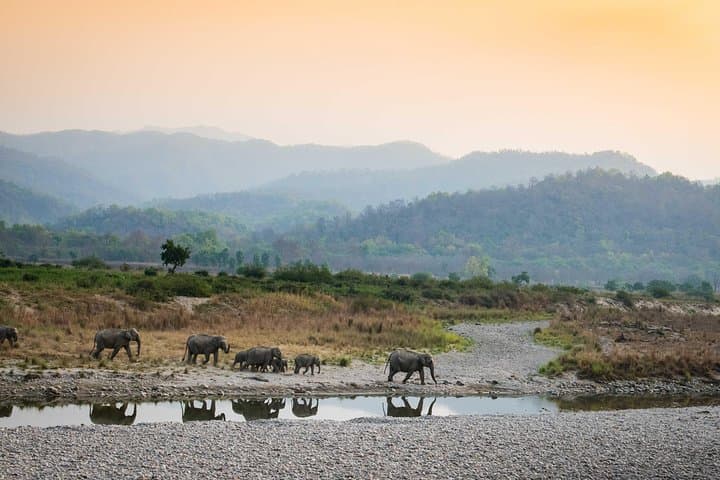
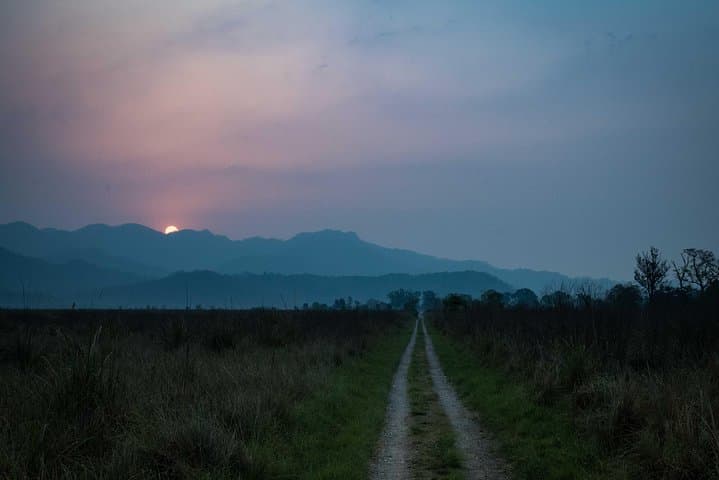
A first light that filters through sal and deciduous canopy sets the tone at Dhikala: dust lifts from the park track as an open gypsy hums toward riverine clearings where the forest holds its breath. The Dhikala zone occupies the core of Jim Corbett National Park, a landscape of low hills, river floodplains and oxbow lakes carved by the Kosi and Ramganga rivers; those waterways still shape where animals gather and where a tiger might choose to appear.
Verified experiences and guided adventures in the surrounding area.
Operated by Nature Explorers India · Ramnagar, Uttarakhand
A first light that filters through sal and deciduous canopy sets the tone at Dhikala: dust lifts from the park track as an open gypsy hums toward riverine clearings where the forest holds its breath. The Dhikala zone occupies the core of Jim Corbett National Park, a landscape of low hills, river floodplains and oxbow lakes carved by the Kosi and Ramganga rivers; those waterways still shape where animals gather and where a tiger might choose to appear.
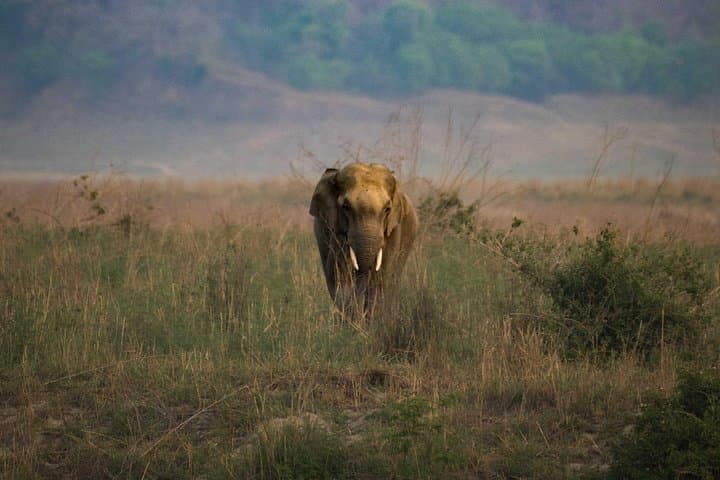
Established in 1936 as India’s first national park (later renamed for conservationist Jim Corbett), Corbett protects Terai grasslands and mid-hill forests that support elephants, hog deer, wild boar, and more than 400 bird species. Cultural threads from nearby Kumaoni villages—local forest lore, simple homestays in Ramnagar—complement the park’s natural history.
Visitors can expect guided, open-gypsy safaris timed to early morning and late afternoon light; the experience is observation-focused rather than strenuous. Drives move along dirt tracks past marshes and river bends; patience and a sharp eye pay off more than speed. Naturalists read spoor and call out hornbill flocks, barking deer, or an otter slipping into a pool.
Practically: book permits and rest-house accommodation in advance, carry binoculars, enough water, and layered clothing for cool mornings and hot afternoons. Respect park rules—no disembarking except at designated points—and keep noise to a minimum so wildlife chooses to reveal itself. Dhikala offers close-to-wild encounters that reward quiet attention and good timing.
easy.
3 days (approx. 72 hours).
Suitable for most travelers; involves long bumpy vehicle rides and short walks at rest-house areas.
Yes—park entry permits and zone-specific permits are required and usually arranged at booking; passport details are needed for permissions.
This itinerary provides exclusive, private gypsy safaris for the booking group, increasing flexibility and minimizing additional riders.
Dhikala Forest Rest House offers basic, non-AC rooms with forest-facing access; expect rustic comforts rather than luxury services.
Common sightings include elephants, deer species, wild boar, various birds, and occasional leopard; tiger sightings are possible but not guaranteed.
Nature Explorers India operates guided outdoor trips and adventures with an emphasis on safety, stewardship, and memorable experiences.
A first light that filters through sal and deciduous canopy sets the tone at Dhikala: dust lifts from the park track as an open gypsy hums toward riverine clearings where the forest holds its breath. The Dhikala zone occupies the core of Jim Corbett National Park, a landscape of low hills, river floodplains and oxbow lakes carved by the Kosi and Ramganga rivers; those waterways still shape where animals gather and where a tiger might choose to appear.
A first light that filters through sal and deciduous canopy sets the tone at Dhikala: dust lifts from the park track as an open gypsy hums toward riverine clearings where the forest holds its breath. The Dhikala zone occupies the core of Jim Corbett National Park, a landscape of low hills, river floodplains and oxbow lakes carved by the Kosi and Ramganga rivers; those waterways still shape where animals gather and where a tiger might choose to appear.
Established in 1936 as India’s first national park (later renamed for conservationist Jim Corbett), Corbett protects Terai grasslands and mid-hill forests that support elephants, hog deer, wild boar, and more than 400 bird species. Cultural threads from nearby Kumaoni villages—local forest lore, simple homestays in Ramnagar—complement the park’s natural history.
Visitors can expect guided, open-gypsy safaris timed to early morning and late afternoon light; the experience is observation-focused rather than strenuous. Drives move along dirt tracks past marshes and river bends; patience and a sharp eye pay off more than speed. Naturalists read spoor and call out hornbill flocks, barking deer, or an otter slipping into a pool.
Practically: book permits and rest-house accommodation in advance, carry binoculars, enough water, and layered clothing for cool mornings and hot afternoons. Respect park rules—no disembarking except at designated points—and keep noise to a minimum so wildlife chooses to reveal itself. Dhikala offers close-to-wild encounters that reward quiet attention and good timing.