THE ADVENTURE COLLECTIVE® · Independent discovery and booking for outdoor travel

Walk Dharavi with a local guide and see the neighborhood’s potters, recyclers, and small workshops up close. This two‑hour small‑group tour offers context, local stories, and practical tips for exploring one of Mumbai’s most dynamic communities.
Walk Dharavi with a local guide and see the neighborhood’s potters, recyclers, and small workshops up close. This two‑hour small‑group tour offers context, local stories, and practical tips for exploring one of Mumbai’s most dynamic communities.
You step off the rickshaw and a maze of narrow lanes folds around you — sun slices through a patchwork of tin roofs, steam rises from a bakery, and the steady clack of potter’s wheels punctuates the air.
Verified experiences and guided adventures in the surrounding area.
Operated by Mystical Mumbai · Mumbai, Maharashtra
You step off the rickshaw and a maze of narrow lanes folds around you — sun slices through a patchwork of tin roofs, steam rises from a bakery, and the steady clack of potter’s wheels punctuates the air.
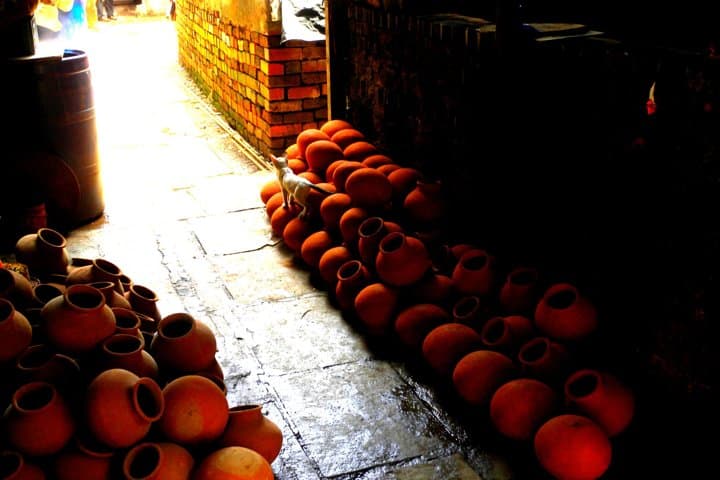
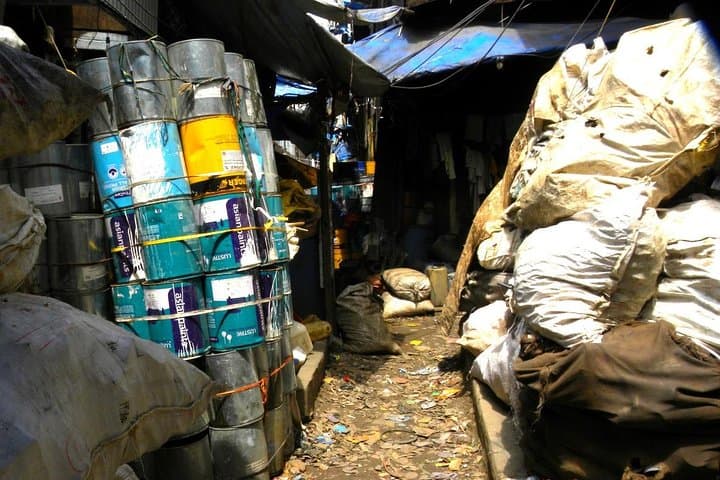
This two‑hour guided walk through Dharavi moves at city pace: intimate, immediate, and industrious. Guides — often local college students — thread stories through alleys where small workshops churn out leather goods, ceramics, and recycled plastics. Visit Kumbharwada and you encounter kilns that have fired pottery since the 1930s; small-scale industries hum like living machines, and children wave from balconies above clotheslines.
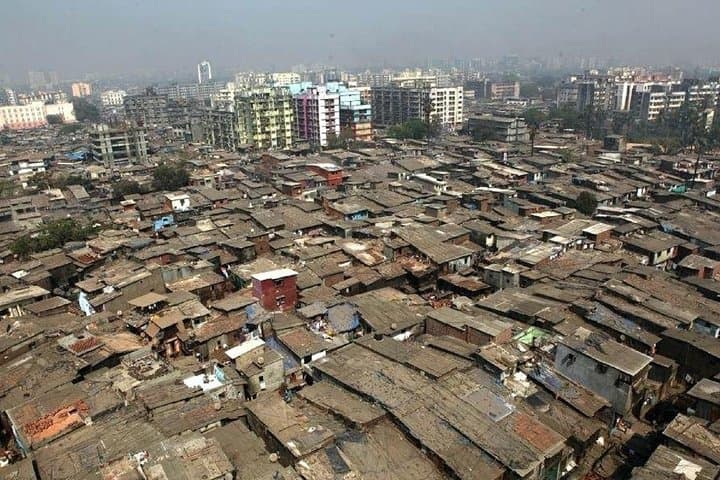
Dharavi is at once an economic ecosystem and a densely layered settlement that grew around migration and trade. The area gained global attention after 2008’s Slumdog Millionaire, but the neighborhood’s real history is in its trades: potters, tanners, bakers, and recyclers who sustain Mumbai’s informal economy.
Practical guide: the tour is easy on fitness (two hours, lots of standing and short stair sections) and runs in small groups of up to 10. Wear closed-toe shoes for uneven surfaces, bring a refillable water bottle, and carry modest clothing that covers shoulders and knees. Photography is allowed but always ask before taking close portraits; guides will advise where images are welcome.
Best times are early morning or late afternoon to avoid heat; avoid during heavy monsoon downpours when lanes can be slippery. Expect friendly interactions, tight alleys, and an unvarnished look at urban life that’s industrious, resilient, and human.
easy.
2 hours.
Suitable for most fitness levels; involves walking on uneven ground and short stair sections.
Yes; tours run in small groups with local guides familiar with the lanes, though usual urban caution for valuables is advised.
Photography is generally allowed but always ask individuals and follow your guide’s direction—some workshops or homes prefer not to be photographed.
The tour notes stroller accessibility, but narrow lanes and steps may make sections challenging; check with the operator for younger children.
Dharavi is accessible by local trains and buses to nearby stations like Sion or Mahim; public transport options are available close to meeting points.
Dharavi expanded significantly in the 20th century as migrant communities established workshops; Kumbharwada’s potters date back to the 1930s and reflect long‑standing craft traditions.
Tours encourage responsible behavior—avoid single‑use plastics and ask before entering private workspaces; small purchases support local economies and reduce wasteful intermediaries.
Mystical Mumbai operates guided outdoor trips and adventures with an emphasis on safety, stewardship, and memorable experiences.
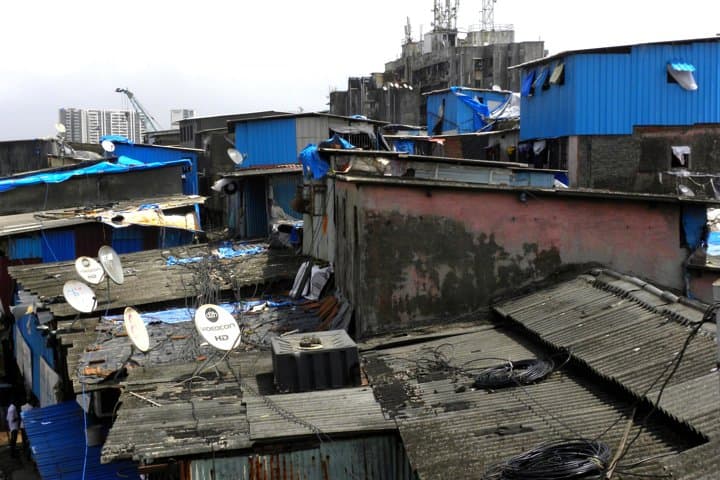
You step off the rickshaw and a maze of narrow lanes folds around you — sun slices through a patchwork of tin roofs, steam rises from a bakery, and the steady clack of potter’s wheels punctuates the air.
You step off the rickshaw and a maze of narrow lanes folds around you — sun slices through a patchwork of tin roofs, steam rises from a bakery, and the steady clack of potter’s wheels punctuates the air.
This two‑hour guided walk through Dharavi moves at city pace: intimate, immediate, and industrious. Guides — often local college students — thread stories through alleys where small workshops churn out leather goods, ceramics, and recycled plastics. Visit Kumbharwada and you encounter kilns that have fired pottery since the 1930s; small-scale industries hum like living machines, and children wave from balconies above clotheslines.
Dharavi is at once an economic ecosystem and a densely layered settlement that grew around migration and trade. The area gained global attention after 2008’s Slumdog Millionaire, but the neighborhood’s real history is in its trades: potters, tanners, bakers, and recyclers who sustain Mumbai’s informal economy.
Practical guide: the tour is easy on fitness (two hours, lots of standing and short stair sections) and runs in small groups of up to 10. Wear closed-toe shoes for uneven surfaces, bring a refillable water bottle, and carry modest clothing that covers shoulders and knees. Photography is allowed but always ask before taking close portraits; guides will advise where images are welcome.
Best times are early morning or late afternoon to avoid heat; avoid during heavy monsoon downpours when lanes can be slippery. Expect friendly interactions, tight alleys, and an unvarnished look at urban life that’s industrious, resilient, and human.