THE ADVENTURE COLLECTIVE® · Independent discovery and booking for outdoor travel

Walk Dharavi’s narrow lanes with a local guide to see pottery kilns, leather workshops and informal recycling yards that power a dense, working neighborhood. Expect 90–120 minutes of close-up urban insight, uneven paths and photography limits—bring water and respect.
Walk Dharavi’s narrow lanes with a local guide to see pottery kilns, leather workshops and informal recycling yards that power a dense, working neighborhood. Expect 90–120 minutes of close-up urban insight, uneven paths and photography limits—bring water and respect.
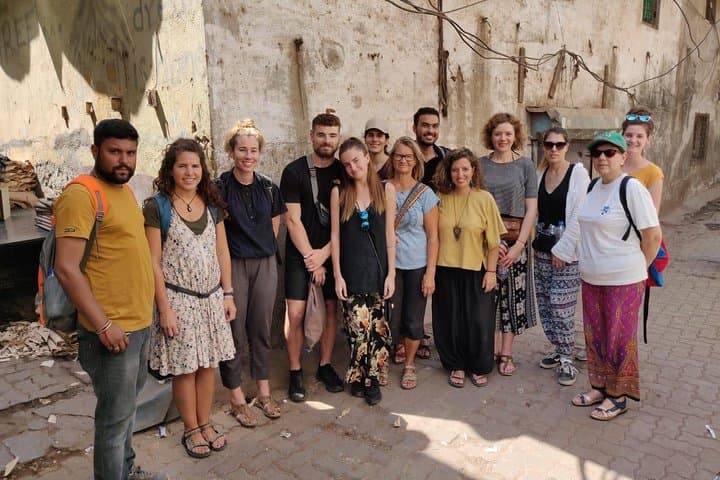
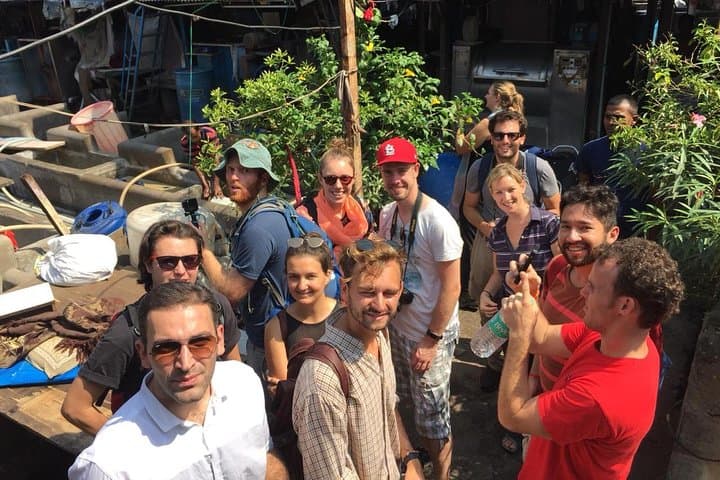
The walk begins in a narrow lane where the city presses in on both sides—corrugated metal roofs, carts stacked with recycled plastic, and the staccato rhythm of hammers from a nearby workshop. Voices call across courtyards; the air carries tannery spice, fresh bread and the dusty tang of clay. A small-group guide threads visitors through alleys, translating gestures, history and commerce into an approachable narrative.
Verified experiences and guided adventures in the surrounding area.
Operated by Amaze Mumbai Tour · Mumbai, Maharashtra
The walk begins in a narrow lane where the city presses in on both sides—corrugated metal roofs, carts stacked with recycled plastic, and the staccato rhythm of hammers from a nearby workshop. Voices call across courtyards; the air carries tannery spice, fresh bread and the dusty tang of clay. A small-group guide threads visitors through alleys, translating gestures, history and commerce into an approachable narrative.
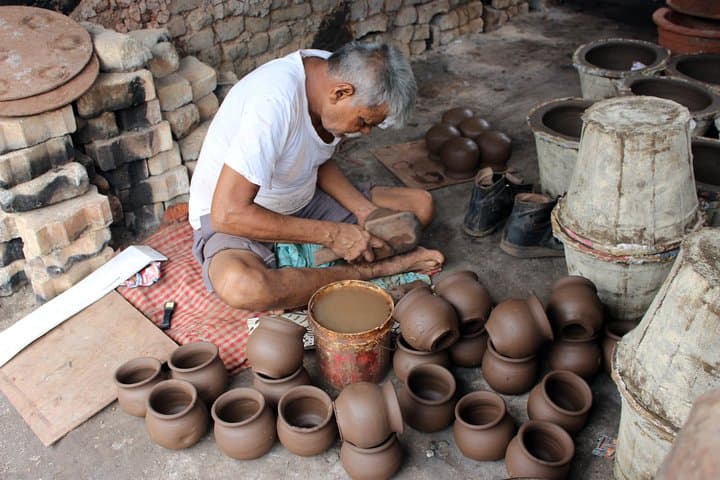
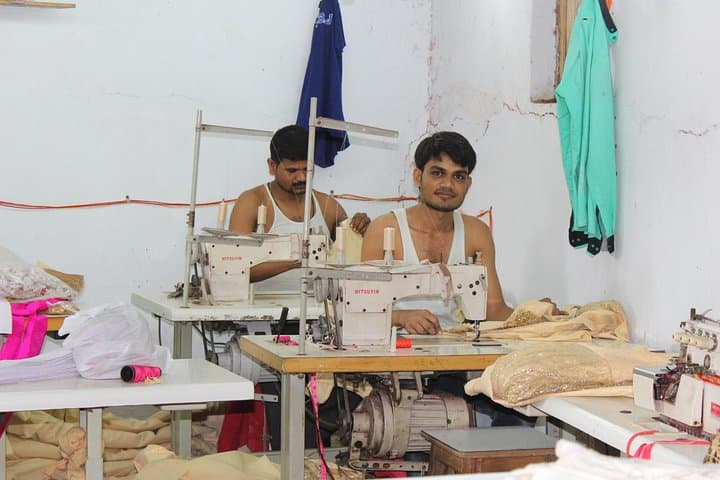
Dharavi sits on Mumbai’s central island plain, evolving from fishing hamlets and British-era factories into one of the world’s densest urban settlements. Its geology is urban fill on reclaimed coastal land; its economy is hands-on: leather tanning, pottery (Kumbharwada), garment stitching and informal recycling that turns waste into work. Religion and language vary from lane to lane, but community-run workshops and micro-enterprises define daily life.
Expect a 90–120 minute tour that balances observation with engagement. Guides typically limit group size and point out where photography is restricted for privacy and safety. The route covers uneven, often crowded paths—steps, open drains and sudden courtyards—so wear closed-toe shoes, keep valuables secure and move at a steady, respectful pace. Children should be accompanied and the tour isn’t recommended for pregnant travelers or those with serious cardiovascular issues.
Practical tips: schedule morning or late-afternoon slots to avoid peak heat and monsoon downpours, carry small change to buy directly from artisans, and follow the guide’s directions about where photos are appropriate. This is an intimate urban experience that challenges assumptions while highlighting a working economy; approach it with curiosity, humility and a readiness to learn.
moderate.
1.5–2 hours.
Moderate—able to walk for up to two hours on uneven, crowded lanes and climb short flights of steps.
Some areas prohibit photography for privacy and safety; guides will point out restricted zones—always ask before taking photos of people or inside homes.
No—many lanes are narrow, stepped and uneven, so the route is generally not suitable for wheelchairs or limited mobility.
When accompanied by a vetted local guide and in small groups, visits are generally safe; keep belongings secure and follow the guide’s instructions.
Buy directly from artisans, tip guides reasonably, and avoid handing out cash to children—ask your guide for recommended stalls and workshops to support.
Dharavi grew from fishing and cottage industries on Mumbai’s island plain and expanded rapidly during the 20th century as migrants settled near urban jobs; its dense economy now includes leather, pottery and recycling trades.
Local recycling and micro-enterprises reduce city waste but also strain infrastructure; responsible tourism means following guide rules, buying locally and minimizing disturbance to homes and workshops.
Amaze Mumbai Tour operates guided outdoor trips and adventures with an emphasis on safety, stewardship, and memorable experiences.
The walk begins in a narrow lane where the city presses in on both sides—corrugated metal roofs, carts stacked with recycled plastic, and the staccato rhythm of hammers from a nearby workshop. Voices call across courtyards; the air carries tannery spice, fresh bread and the dusty tang of clay. A small-group guide threads visitors through alleys, translating gestures, history and commerce into an approachable narrative.
The walk begins in a narrow lane where the city presses in on both sides—corrugated metal roofs, carts stacked with recycled plastic, and the staccato rhythm of hammers from a nearby workshop. Voices call across courtyards; the air carries tannery spice, fresh bread and the dusty tang of clay. A small-group guide threads visitors through alleys, translating gestures, history and commerce into an approachable narrative.
Dharavi sits on Mumbai’s central island plain, evolving from fishing hamlets and British-era factories into one of the world’s densest urban settlements. Its geology is urban fill on reclaimed coastal land; its economy is hands-on: leather tanning, pottery (Kumbharwada), garment stitching and informal recycling that turns waste into work. Religion and language vary from lane to lane, but community-run workshops and micro-enterprises define daily life.
Expect a 90–120 minute tour that balances observation with engagement. Guides typically limit group size and point out where photography is restricted for privacy and safety. The route covers uneven, often crowded paths—steps, open drains and sudden courtyards—so wear closed-toe shoes, keep valuables secure and move at a steady, respectful pace. Children should be accompanied and the tour isn’t recommended for pregnant travelers or those with serious cardiovascular issues.
Practical tips: schedule morning or late-afternoon slots to avoid peak heat and monsoon downpours, carry small change to buy directly from artisans, and follow the guide’s directions about where photos are appropriate. This is an intimate urban experience that challenges assumptions while highlighting a working economy; approach it with curiosity, humility and a readiness to learn.