THE ADVENTURE COLLECTIVE® · Independent discovery and booking for outdoor travel

Walk the narrow alleys of Dharavi with a local guide to see recycling workshops, dye houses and small-scale industries that keep this dense urban community moving. This 3–4 hour private tour provides a close, contextual look at everyday work and local enterprises.
Walk the narrow alleys of Dharavi with a local guide to see recycling workshops, dye houses and small-scale industries that keep this dense urban community moving. This 3–4 hour private tour provides a close, contextual look at everyday work and local enterprises.
You step off the main road into a corridor of narrow alleys where the city’s noise tightens and the air carries the brassy smell of dye and leather. Hands at work thread through doorways; a child darts past carrying a stack of cardboard. The tour threads through lanes that feel alive — roofs that collect sunlight, walls that hold years of hand-painted signage — and guides translate the rhythm of daily life into clear observations about craft, economy and resilience.
Verified experiences and guided adventures in the surrounding area.
Operated by Dynamic Mumbai · Mumbai, Maharashtra
You step off the main road into a corridor of narrow alleys where the city’s noise tightens and the air carries the brassy smell of dye and leather. Hands at work thread through doorways; a child darts past carrying a stack of cardboard. The tour threads through lanes that feel alive — roofs that collect sunlight, walls that hold years of hand-painted signage — and guides translate the rhythm of daily life into clear observations about craft, economy and resilience.
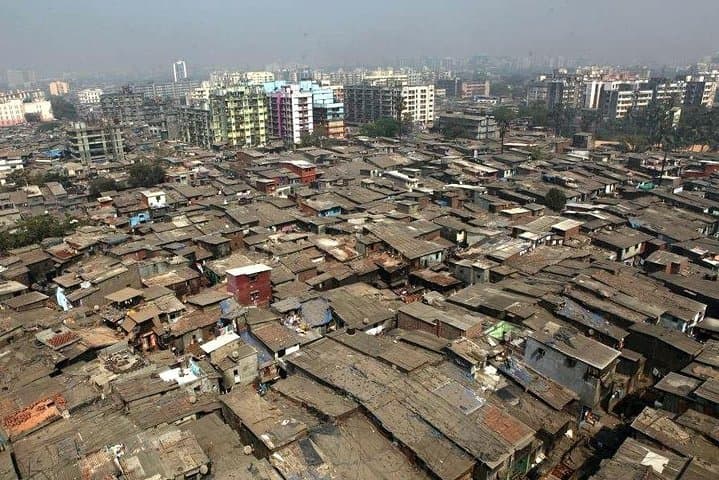
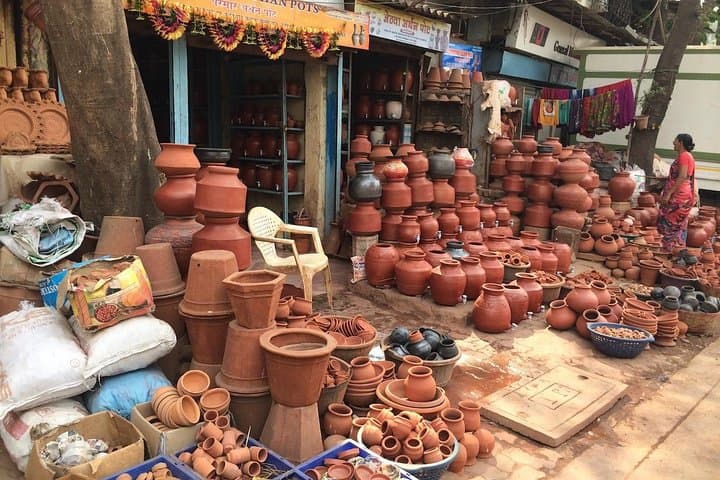
Dharavi grew from late-19th- and 20th-century informal settlements into one of Asia’s largest inner-city communities. Built on low-lying land near the Mithi River, the area is defined more by its human industry than by geology: pottery kilns, small-scale leather shops, recycling clusters and food stalls form the economic backbone. Popularized globally by the film Slumdog Millionaire, the neighbourhood’s story is more complex than any single portrayal — it’s a dense working quarter where informal enterprises supply much of Mumbai’s small-scale manufacturing needs.
On a 3–4 hour private walking tour expect up-close viewing of plastic and cardboard recycling units, dye workshops, leather processing and community schools. Guides explain production steps, point out cooperative initiatives and advise on respectful interaction: ask before photographing, avoid disrupting work, and prioritize purchases from local vendors. Practicalities: wear closed-toe shoes for uneven paths, carry water (bottled water is usually provided), and keep valuables secure. The experience is less sightseeing and more a grounded encounter with urban ingenuity — a chance to see how ingenuity and labor sustain a bustling micro-economy tucked inside a megacity.
easy.
3–4 hours.
Suitable for most fitness levels; requires comfortable walking for several hours and negotiating tight, uneven passages.
The tour typically lasts between 3 and 4 hours, covering multiple workshops and lanes at a walking pace.
Yes; the operator provides infant seats on request and the route is rated easy, though narrow alleys may be crowded.
You may be shown inside certain workshops with prior permission from owners; guides manage introductions and safety while explaining processes.
Visits are generally safe when taken with a licensed guide who knows the neighbourhood; follow local advice, avoid displaying valuables, and stay with the group.
Dharavi developed from late-19th-century settlements and expanded through 20th-century migration; it evolved into a dense cluster of small-scale industries and informal enterprises.
Responsible tours emphasize low-impact behavior: avoid littering, ask before photographing, and support local livelihoods by buying from community-run enterprises.
Dynamic Mumbai operates guided outdoor trips and adventures with an emphasis on safety, stewardship, and memorable experiences.


You step off the main road into a corridor of narrow alleys where the city’s noise tightens and the air carries the brassy smell of dye and leather. Hands at work thread through doorways; a child darts past carrying a stack of cardboard. The tour threads through lanes that feel alive — roofs that collect sunlight, walls that hold years of hand-painted signage — and guides translate the rhythm of daily life into clear observations about craft, economy and resilience.
You step off the main road into a corridor of narrow alleys where the city’s noise tightens and the air carries the brassy smell of dye and leather. Hands at work thread through doorways; a child darts past carrying a stack of cardboard. The tour threads through lanes that feel alive — roofs that collect sunlight, walls that hold years of hand-painted signage — and guides translate the rhythm of daily life into clear observations about craft, economy and resilience.
Dharavi grew from late-19th- and 20th-century informal settlements into one of Asia’s largest inner-city communities. Built on low-lying land near the Mithi River, the area is defined more by its human industry than by geology: pottery kilns, small-scale leather shops, recycling clusters and food stalls form the economic backbone. Popularized globally by the film Slumdog Millionaire, the neighbourhood’s story is more complex than any single portrayal — it’s a dense working quarter where informal enterprises supply much of Mumbai’s small-scale manufacturing needs.
On a 3–4 hour private walking tour expect up-close viewing of plastic and cardboard recycling units, dye workshops, leather processing and community schools. Guides explain production steps, point out cooperative initiatives and advise on respectful interaction: ask before photographing, avoid disrupting work, and prioritize purchases from local vendors. Practicalities: wear closed-toe shoes for uneven paths, carry water (bottled water is usually provided), and keep valuables secure. The experience is less sightseeing and more a grounded encounter with urban ingenuity — a chance to see how ingenuity and labor sustain a bustling micro-economy tucked inside a megacity.