THE ADVENTURE COLLECTIVE® · Independent discovery and booking for outdoor travel

Walk Dharavi with a local guide on a two-hour tour that reveals the neighbourhood’s recycling units, textile workshops, bakeries and community life. This guided experience reframes headlines into everyday stories and hands-on industry.
Walk Dharavi with a local guide on a two-hour tour that reveals the neighbourhood’s recycling units, textile workshops, bakeries and community life. This guided experience reframes headlines into everyday stories and hands-on industry.
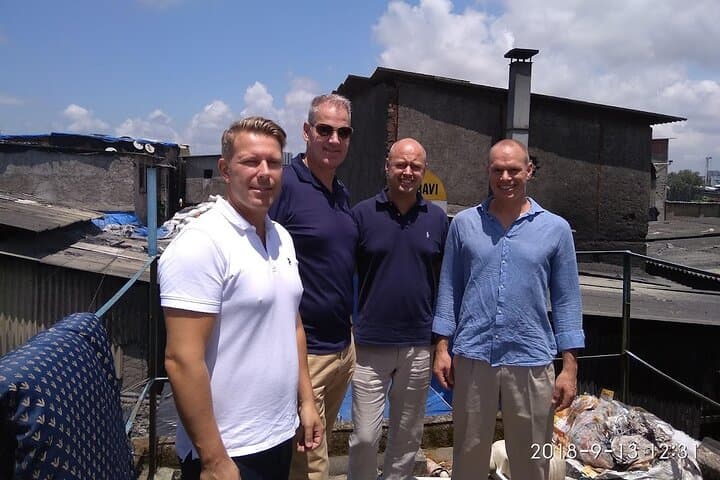
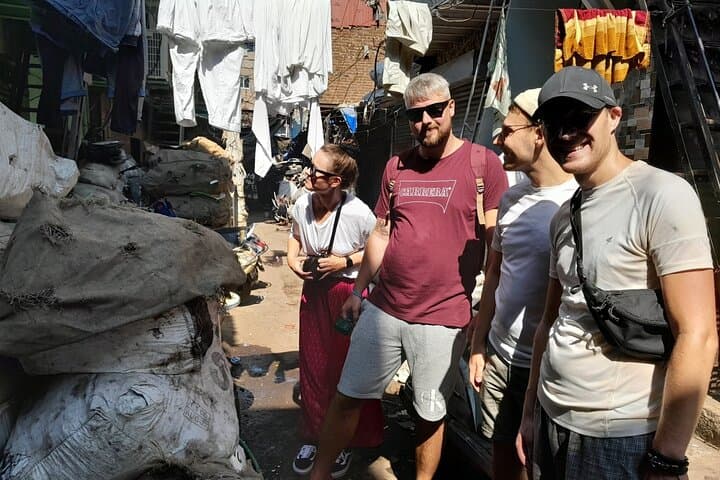
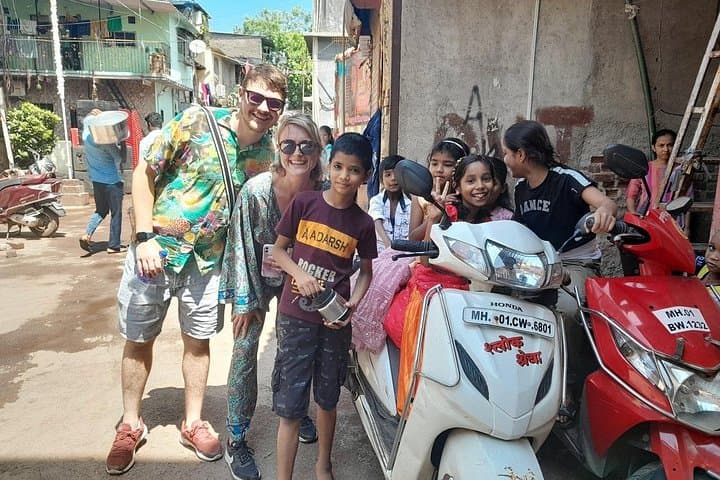
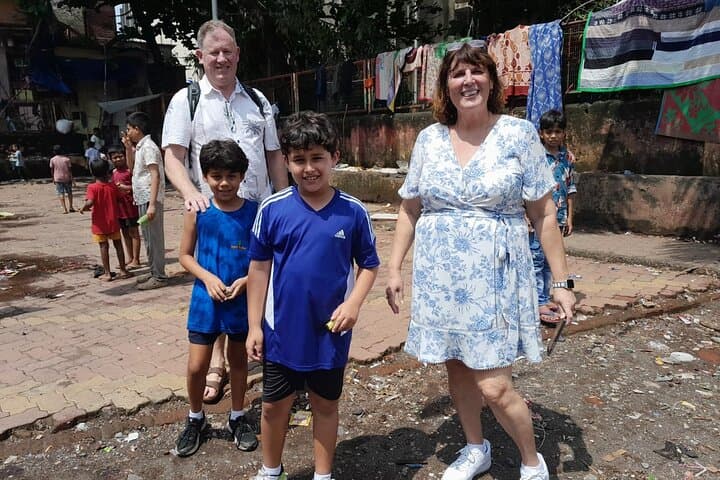
You step off the narrow main road and the lanes immediately press in, a living maze that guides your pace more than a map. The air carries the warmth of ovens, the tang of leather dye, and the metallic hum of small machines; lanes curve and point like fingers toward workshops where hands still mend, stitch, and reshape waste into saleable goods.
Verified experiences and guided adventures in the surrounding area.
Operated by MUMBAI EXPERIENCES · Mumbai, Maharashtra
You step off the narrow main road and the lanes immediately press in, a living maze that guides your pace more than a map. The air carries the warmth of ovens, the tang of leather dye, and the metallic hum of small machines; lanes curve and point like fingers toward workshops where hands still mend, stitch, and reshape waste into saleable goods.
Dharavi sits on low, reclaimed flats near the Mithi River and grew as waves of migrants made space for work. Its geology — compacted alluvial silt and reclaimed tidal margins — helped form tight clusters of homes and industries that evolved into one of Asia’s most discussed informal economies. Culturally, the area is dense with languages, faiths, and micro-enterprises: pottery, textile stitching, leatherwork, baking, and plastic recycling are all on view.
On a two-hour local-led walk you’ll visit working units, community schools, and markets; guides are often residents who explain daily routines, local governance, and efforts at urban upgrading. The experience reframes statistics into faces and processes, showing how circular economy practices and small-scale craftsmanship operate at street level.
Practical guidance: bring a bottle of water, wear closed-toe shoes for uneven ground, and follow your guide’s lead — lanes can be narrow and crowded. Photography is generally allowed but ask permission before photographing people or inside workplaces. Morning slots are cooler and less noisy; avoid peak monsoon hours when lanes can be slippery. This tour rewards curiosity, patience, and respectful listening.
easy.
2 hours.
Minimal fitness required; you should be able to walk on uneven ground for up to two hours.
Yes; tours are led by local residents who know the lanes and community norms—follow your guide’s directions and avoid wandering off alone.
Yes, but always ask permission before photographing people or inside workshops; some businesses may decline.
Accessibility is limited—lanes are narrow and often uneven; this tour is not recommended for wheelchairs or limited mobility without prior confirmation of route alternatives.
No; the tour usually includes bottled water but not food—there are local eateries nearby if you wish to sample snacks after the walk.
Dharavi expanded in the 20th century as migrants arrived for jobs in nearby mills and port industries; over time it developed a dense network of small-scale manufacturing and recycling units.
Many local enterprises repurpose waste materials, creating a de facto circular economy; visitors should minimize litter and avoid disrupting production processes.
MUMBAI EXPERIENCES operates guided outdoor trips and adventures with an emphasis on safety, stewardship, and memorable experiences.
You step off the narrow main road and the lanes immediately press in, a living maze that guides your pace more than a map. The air carries the warmth of ovens, the tang of leather dye, and the metallic hum of small machines; lanes curve and point like fingers toward workshops where hands still mend, stitch, and reshape waste into saleable goods.
You step off the narrow main road and the lanes immediately press in, a living maze that guides your pace more than a map. The air carries the warmth of ovens, the tang of leather dye, and the metallic hum of small machines; lanes curve and point like fingers toward workshops where hands still mend, stitch, and reshape waste into saleable goods.
Dharavi sits on low, reclaimed flats near the Mithi River and grew as waves of migrants made space for work. Its geology — compacted alluvial silt and reclaimed tidal margins — helped form tight clusters of homes and industries that evolved into one of Asia’s most discussed informal economies. Culturally, the area is dense with languages, faiths, and micro-enterprises: pottery, textile stitching, leatherwork, baking, and plastic recycling are all on view.
On a two-hour local-led walk you’ll visit working units, community schools, and markets; guides are often residents who explain daily routines, local governance, and efforts at urban upgrading. The experience reframes statistics into faces and processes, showing how circular economy practices and small-scale craftsmanship operate at street level.
Practical guidance: bring a bottle of water, wear closed-toe shoes for uneven ground, and follow your guide’s lead — lanes can be narrow and crowded. Photography is generally allowed but ask permission before photographing people or inside workplaces. Morning slots are cooler and less noisy; avoid peak monsoon hours when lanes can be slippery. This tour rewards curiosity, patience, and respectful listening.