THE ADVENTURE COLLECTIVE® · Independent discovery and booking for outdoor travel

Walk the narrow lanes of Dharavi to witness laundry at Dhobi Ghat, small-scale leather and pottery workshops, and a bustling market that powers one of Asia’s most industrious communities. This three-hour walking tour blends cultural insight with practical ground-level observation.
Walk the narrow lanes of Dharavi to witness laundry at Dhobi Ghat, small-scale leather and pottery workshops, and a bustling market that powers one of Asia’s most industrious communities. This three-hour walking tour blends cultural insight with practical ground-level observation.
You step off the main road and the city simplifies into alleys — narrow, alive, and layered with the sound of batters at dhobi ghat and vendors calling over steaming pans. The lanes here push you forward; colors and commerce crowd every inch as artisans hammer, shape, and stitch in full view.
Verified experiences and guided adventures in the surrounding area.
Operated by Trip Mumbai Tours · Mumbai, Maharashtra
You step off the main road and the city simplifies into alleys — narrow, alive, and layered with the sound of batters at dhobi ghat and vendors calling over steaming pans. The lanes here push you forward; colors and commerce crowd every inch as artisans hammer, shape, and stitch in full view.
Dharavi began as a low-lying settlement in the early 20th century and expanded rapidly after India’s independence. Built along the margins of the Mithi River and near Mahim Bay, the area’s geography forced dense, efficient use of space, which in turn fostered small-scale industries: leatherwork, pottery, soap making and one of Asia’s most productive informal recycling sectors.
Culture here is practical and loud — a mix of Marathi, Hindi and Gujarati lives and languages — and markets move at a pace that rewards curiosity. You’ll see the open-air washing at Dhobi Ghat, tiny workshops where leather and lather goods are turned out, and hands sorting recyclables destined for new life.
Practical guidance: this is a three-hour, on-foot experience over uneven ground and tightly packed lanes; comfortable, closed-toe shoes and moderate fitness are required. Carry small notes for purchases, ask before photographing people or workspaces, and keep valuables close in crowds. Tours are best in the morning when temperatures are cooler and workshops are active. Respect resident privacy and follow your guide’s directions — they know which lanes to enter and which to avoid. Hydrate, move deliberately, and treat the visit as both a walking tour and a chance to support a working community.
moderate.
3 hours.
Suitable for travelers with moderate fitness; expect sustained walking, narrow passages, and occasional stairs or wet surfaces.
Yes; tours are guided in small groups and follow well-known routes, but keep belongings close and avoid late-night visits alone.
Children can attend if they can handle walking through crowds; infant seats are available on request but consider narrow lanes and busy activity when deciding.
Visits vary by operator and by shop owner consent; most tours include visits to visible workshops and Dhobi Ghat, but always ask the guide before entering private spaces.
Tipping guides is customary and appreciated; small purchases directly support artisans—offer fair payment rather than lowballing.
Dharavi grew from early 20th-century migrant settlements into a dense commercial quarter; its growth was shaped by proximity to Mumbai’s ports and the Mithi River.
Dharavi’s informal recycling economy diverts large volumes of waste, but tours should minimize disruption — bring reusable bottles, avoid single-use plastics, and buy directly from artisans to support the local economy.
Trip Mumbai Tours operates guided outdoor trips and adventures with an emphasis on safety, stewardship, and memorable experiences.
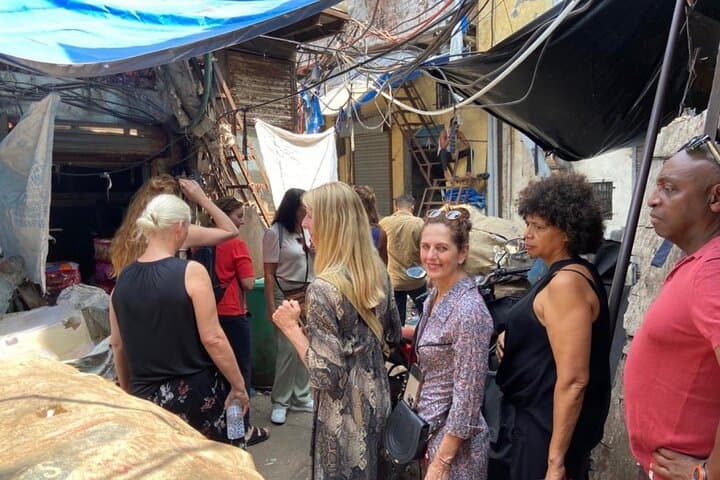
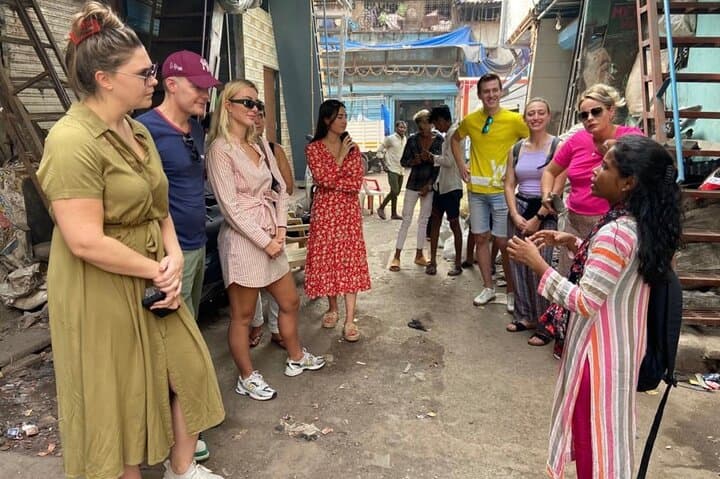

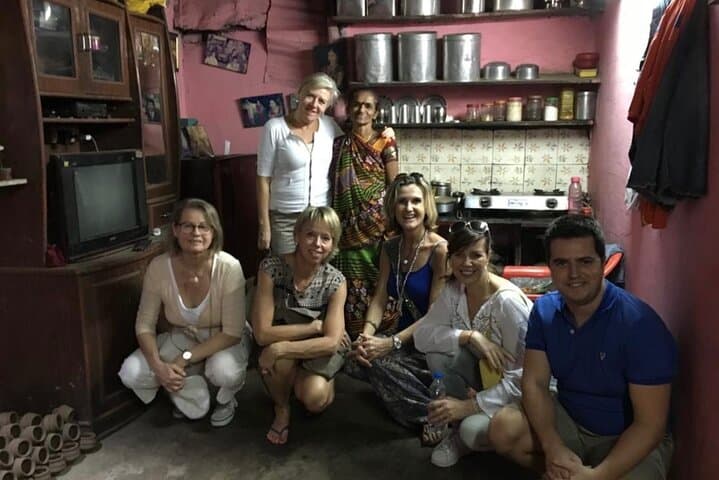
You step off the main road and the city simplifies into alleys — narrow, alive, and layered with the sound of batters at dhobi ghat and vendors calling over steaming pans. The lanes here push you forward; colors and commerce crowd every inch as artisans hammer, shape, and stitch in full view.
You step off the main road and the city simplifies into alleys — narrow, alive, and layered with the sound of batters at dhobi ghat and vendors calling over steaming pans. The lanes here push you forward; colors and commerce crowd every inch as artisans hammer, shape, and stitch in full view.
Dharavi began as a low-lying settlement in the early 20th century and expanded rapidly after India’s independence. Built along the margins of the Mithi River and near Mahim Bay, the area’s geography forced dense, efficient use of space, which in turn fostered small-scale industries: leatherwork, pottery, soap making and one of Asia’s most productive informal recycling sectors.
Culture here is practical and loud — a mix of Marathi, Hindi and Gujarati lives and languages — and markets move at a pace that rewards curiosity. You’ll see the open-air washing at Dhobi Ghat, tiny workshops where leather and lather goods are turned out, and hands sorting recyclables destined for new life.
Practical guidance: this is a three-hour, on-foot experience over uneven ground and tightly packed lanes; comfortable, closed-toe shoes and moderate fitness are required. Carry small notes for purchases, ask before photographing people or workspaces, and keep valuables close in crowds. Tours are best in the morning when temperatures are cooler and workshops are active. Respect resident privacy and follow your guide’s directions — they know which lanes to enter and which to avoid. Hydrate, move deliberately, and treat the visit as both a walking tour and a chance to support a working community.