THE ADVENTURE COLLECTIVE® · Independent discovery and booking for outdoor travel

Spend a focused eight hours moving from the Buriganga’s riverfront to Mughal forts, ornate mosques, and bustling markets. This private, guided loop combines short walks, rickshaw rides, and local transport to pack Dhaka’s history and daily life into one day.
Spend a focused eight hours moving from the Buriganga’s riverfront to Mughal forts, ornate mosques, and bustling markets. This private, guided loop combines short walks, rickshaw rides, and local transport to pack Dhaka’s history and daily life into one day.
You step out onto Sadarghat’s river stone at dawn and the Buriganga pushes the city awake — ferries groan, boatmen call, and the shoreline smells of diesel and frying spices. The day unfolds like a compact chapter of Dhaka: narrow lanes, weathered Mughal brick, and the sudden blue of star-patterned tile at the Star Mosque.
Verified experiences and guided adventures in the surrounding area.
Operated by Modhu Tours · Dhaka, Dhaka
You step out onto Sadarghat’s river stone at dawn and the Buriganga pushes the city awake — ferries groan, boatmen call, and the shoreline smells of diesel and frying spices. The day unfolds like a compact chapter of Dhaka: narrow lanes, weathered Mughal brick, and the sudden blue of star-patterned tile at the Star Mosque.
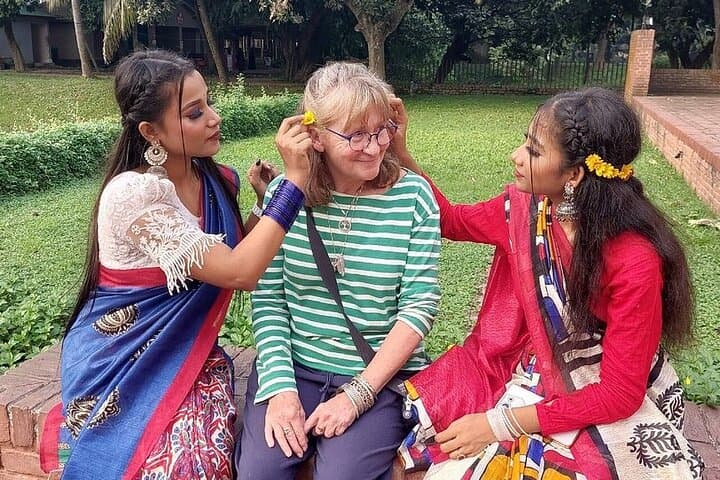
Old Dhaka’s streets trace centuries of trade and empire. Lalbagh Fort, begun under Mughal ambition, holds unfinished ramparts and shaded gardens; nearby Curzon Hall speaks to colonial-era scholarship; the Dhakeshwari Temple anchors centuries of local Hindu devotion. Scattered through this patchwork are the Armenian Church’s quiet stone and markets steeped in printing, books, and street food.
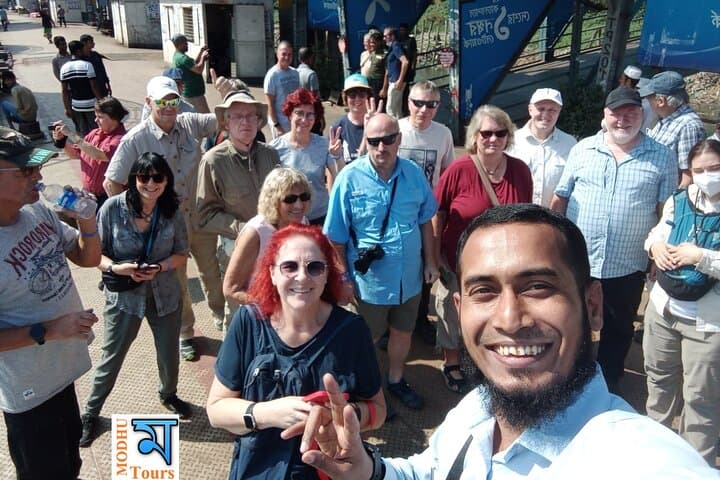
A guided eight-hour loop stitches these sites together with rickshaw rides and short walks — expect intermittent crowds, tight alleys, and stops for lunch and photo breaks. Entrance fees to some sites are extra; your English-speaking guide and local transport are included, and the itinerary is customizable.
Plan for heat, humidity, and sudden monsoon bursts in summer: light, breathable clothing and a compact rain jacket are practical. Comfortable walking shoes and sensitivity to cultural sites (modest dress when visiting temples and mosques) will keep the day moving. Bring small notes for market purchases and tipping; bottled water is usually provided but carry a refillable bottle to reduce plastic.
This is a full, urban day: part history lesson, part market crawl, and part riverfront theater. It’s ideal for travelers who want an efficient, grounded immersion into Dhaka’s layered pace.
moderate.
8 hours.
Moderate—able to walk on uneven pavements and climb short stairways with frequent stops
Yes, a local lunch is listed as included, but inform the operator of dietary requirements during booking.
Some sites include admission while others may require separate entry fees; carry small cash for optional visits.
Hotel pickup and drop-off are included—confirm your pickup point when booking and provide full names and any special requirements.
Children must be accompanied by an adult; the pace includes busy streets and short walks, so plan accordingly.
Dhaka’s core grew under Mughal rule and later expanded through colonial trade; landmarks like Lalbagh Fort and the Language Movement monument mark different chapters of the city’s past.
The Buriganga suffers from pollution and high tourist footfall in Old Dhaka stresses fragile streetscapes—use refillable bottles, avoid littering, and support local guides and small vendors.
Modhu Tours operates guided outdoor trips and adventures with an emphasis on safety, stewardship, and memorable experiences.
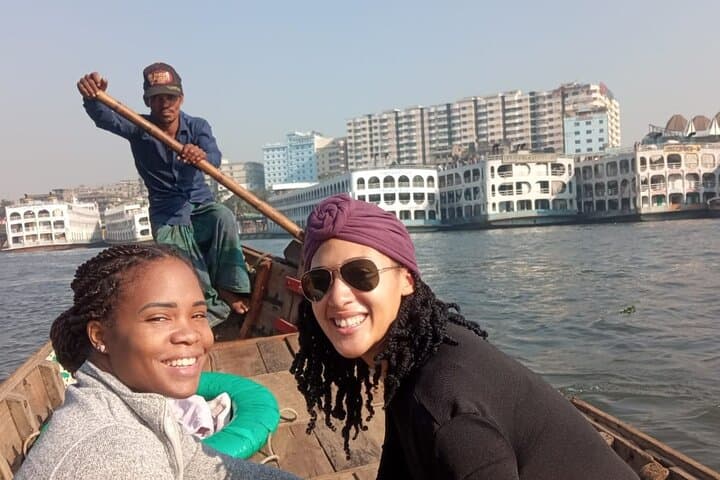
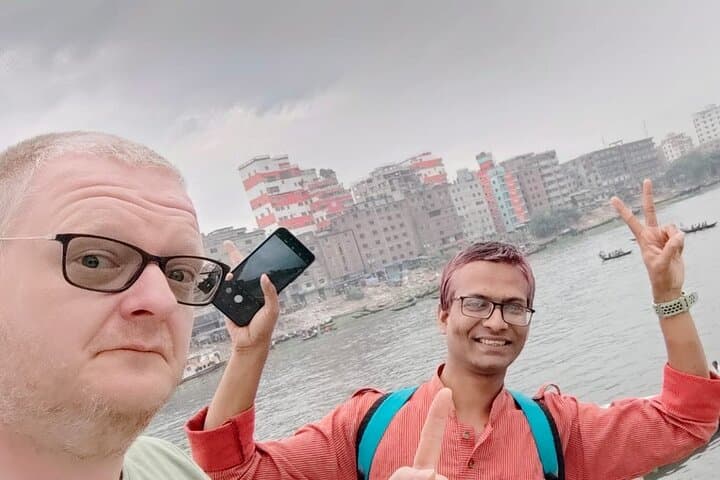
You step out onto Sadarghat’s river stone at dawn and the Buriganga pushes the city awake — ferries groan, boatmen call, and the shoreline smells of diesel and frying spices. The day unfolds like a compact chapter of Dhaka: narrow lanes, weathered Mughal brick, and the sudden blue of star-patterned tile at the Star Mosque.
You step out onto Sadarghat’s river stone at dawn and the Buriganga pushes the city awake — ferries groan, boatmen call, and the shoreline smells of diesel and frying spices. The day unfolds like a compact chapter of Dhaka: narrow lanes, weathered Mughal brick, and the sudden blue of star-patterned tile at the Star Mosque.
Old Dhaka’s streets trace centuries of trade and empire. Lalbagh Fort, begun under Mughal ambition, holds unfinished ramparts and shaded gardens; nearby Curzon Hall speaks to colonial-era scholarship; the Dhakeshwari Temple anchors centuries of local Hindu devotion. Scattered through this patchwork are the Armenian Church’s quiet stone and markets steeped in printing, books, and street food.
A guided eight-hour loop stitches these sites together with rickshaw rides and short walks — expect intermittent crowds, tight alleys, and stops for lunch and photo breaks. Entrance fees to some sites are extra; your English-speaking guide and local transport are included, and the itinerary is customizable.
Plan for heat, humidity, and sudden monsoon bursts in summer: light, breathable clothing and a compact rain jacket are practical. Comfortable walking shoes and sensitivity to cultural sites (modest dress when visiting temples and mosques) will keep the day moving. Bring small notes for market purchases and tipping; bottled water is usually provided but carry a refillable bottle to reduce plastic.
This is a full, urban day: part history lesson, part market crawl, and part riverfront theater. It’s ideal for travelers who want an efficient, grounded immersion into Dhaka’s layered pace.