THE ADVENTURE COLLECTIVE® · Independent discovery and booking for outdoor travel

Two days on Devon’s coast teach paddling, rescues, and coastal navigation in sheltered bays and open water. Expect hands-on drills, tide and weather lessons, and guided practice that turns novices into confident coastal paddlers.
Two days on Devon’s coast teach paddling, rescues, and coastal navigation in sheltered bays and open water. Expect hands-on drills, tide and weather lessons, and guided practice that turns novices into confident coastal paddlers.
A cool wind pushes gulls inland as participants gather on a pebbled cove; the salt-slick rocks glint and the sea dares you forward. Over two days, an instructor-led group moves from sheltered bays to open coastal water, practicing paddling technique and controlled rescues while the currents set the lesson’s rhythm.
Verified experiences and guided adventures in the surrounding area.
Operated by Paddle Devon · Torquay, Devon
A cool wind pushes gulls inland as participants gather on a pebbled cove; the salt-slick rocks glint and the sea dares you forward. Over two days, an instructor-led group moves from sheltered bays to open coastal water, practicing paddling technique and controlled rescues while the currents set the lesson’s rhythm.
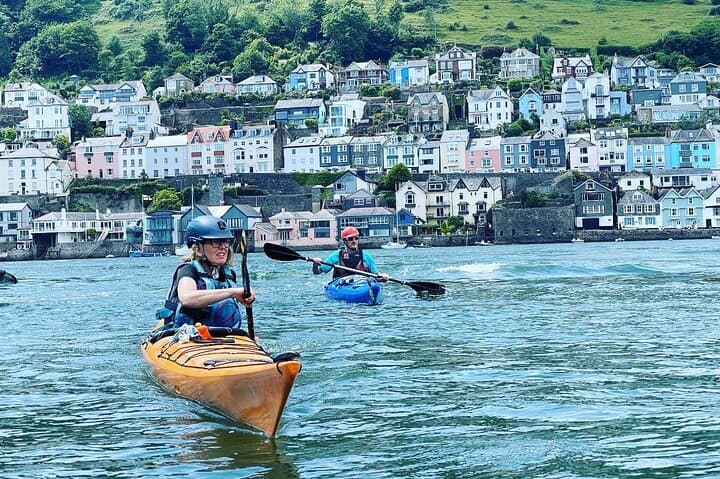
Devon’s coast is a study in contrasts: cliffs of folded sedimentary rock drop into ria estuaries carved during the last ice age, and fishing villages that once supplied schooners now launch recreational trips. The geology creates predictable tidal flows and sheltered swells ideal for learning navigation and boat handling. Locally, small harbors retain a lifeline culture—skipper-speak, tide tables, and an emphasis on reading weather are part of the craft.
Practically, expect structured drills on edging, bracing, wet exits, and simple group navigation using charts and compass. Sessions cover tides, weather, and trip planning so novices leave with both skills and judgment. Water temperatures can be cool year-round; buoyancy aids and helmets are provided, but bring layered synthetic clothing and footwear that grips.
Plan for two full days of active instruction with short classroom segments and repeated on-water practice. Hydrate between drills, keep sunscreen handy, and listen closely during rescue exercises—those skills scale quickly with repetition. If wind or swell rises, instructors will adapt routes or postpone for safety. By the end, paddlers will feel steadier on the skeg, clearer on chart symbols, and ready to plan a simple coastal sortie under changing Devon skies.
moderate.
2 days.
Moderate fitness; able to carry a kayak short distances and paddle repeatedly for sessions lasting 2–4 hours.
No—this course is designed for beginners; instructors will teach basic strokes, wet exits, and simple rescues.
Helmets, buoyancy aids, sea kayaks, spraydecks, and paddles are provided; check operator details for any additional inclusions.
You should have moderate fitness and be comfortable swimming; the day includes repeated paddling drills and short carries.
The operator may postpone or cancel for safety; full refunds are typically available if canceled at least 24 hours before the start.
Devon’s coastal communities grew around fishing, shipbuilding and tidal trade; many local harbors retain age-old slipways and charted tidal knowledge.
Respect marine habitats by avoiding shallow eelgrass beds and carrying out all litter; small-group instruction helps minimize disturbance.
Paddle Devon operates guided outdoor trips and adventures with an emphasis on safety, stewardship, and memorable experiences.
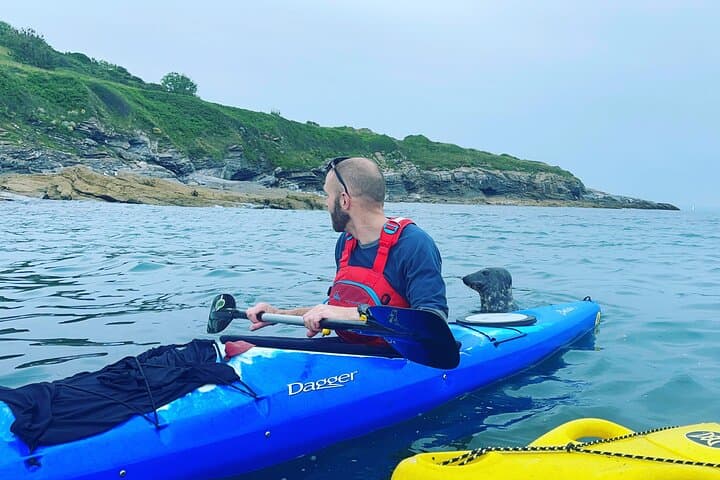
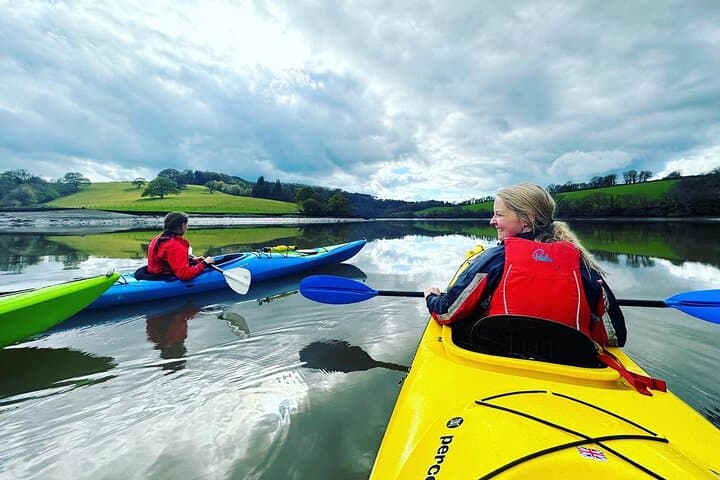
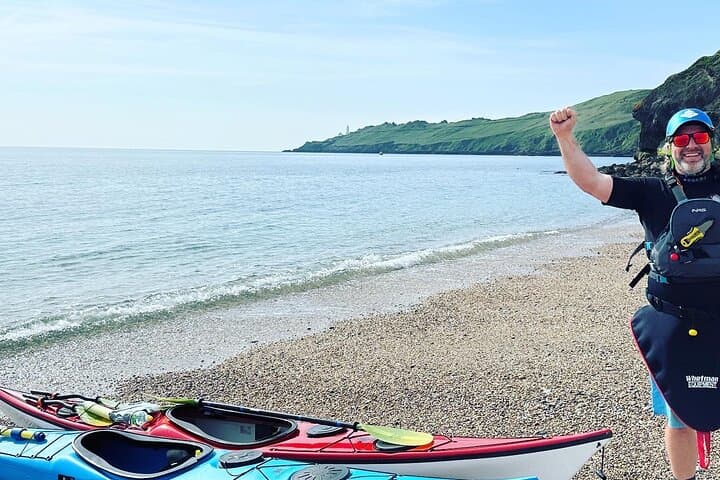
A cool wind pushes gulls inland as participants gather on a pebbled cove; the salt-slick rocks glint and the sea dares you forward. Over two days, an instructor-led group moves from sheltered bays to open coastal water, practicing paddling technique and controlled rescues while the currents set the lesson’s rhythm.
A cool wind pushes gulls inland as participants gather on a pebbled cove; the salt-slick rocks glint and the sea dares you forward. Over two days, an instructor-led group moves from sheltered bays to open coastal water, practicing paddling technique and controlled rescues while the currents set the lesson’s rhythm.
Devon’s coast is a study in contrasts: cliffs of folded sedimentary rock drop into ria estuaries carved during the last ice age, and fishing villages that once supplied schooners now launch recreational trips. The geology creates predictable tidal flows and sheltered swells ideal for learning navigation and boat handling. Locally, small harbors retain a lifeline culture—skipper-speak, tide tables, and an emphasis on reading weather are part of the craft.
Practically, expect structured drills on edging, bracing, wet exits, and simple group navigation using charts and compass. Sessions cover tides, weather, and trip planning so novices leave with both skills and judgment. Water temperatures can be cool year-round; buoyancy aids and helmets are provided, but bring layered synthetic clothing and footwear that grips.
Plan for two full days of active instruction with short classroom segments and repeated on-water practice. Hydrate between drills, keep sunscreen handy, and listen closely during rescue exercises—those skills scale quickly with repetition. If wind or swell rises, instructors will adapt routes or postpone for safety. By the end, paddlers will feel steadier on the skeg, clearer on chart symbols, and ready to plan a simple coastal sortie under changing Devon skies.