THE ADVENTURE COLLECTIVE® · Independent discovery and booking for outdoor travel

A full-day drive along South Devon’s most dramatic coastal landmarks: Burgh Island’s sea tractor, the long shingle of Slapton Sands, and Dartmouth’s gun castles. Expect tidal decisions, wartime history, and expansive estuary views.
A full-day drive along South Devon’s most dramatic coastal landmarks: Burgh Island’s sea tractor, the long shingle of Slapton Sands, and Dartmouth’s gun castles. Expect tidal decisions, wartime history, and expansive estuary views.
The sea tractor appears like a small machine from another era, ploughing through a slow swell as Burgh Island sits stubbornly off the shore, its Art Deco hotel watching tides slip in and out. You step from the minibus onto a wind-buffed car park where gulls wheel and the causeway becomes a decision: walk if the tide is out, wait if the sea claims the path.
Verified experiences and guided adventures in the surrounding area.
Operated by DEVON&MOOR walking and driving tours · Plymouth, Devon
The sea tractor appears like a small machine from another era, ploughing through a slow swell as Burgh Island sits stubbornly off the shore, its Art Deco hotel watching tides slip in and out. You step from the minibus onto a wind-buffed car park where gulls wheel and the causeway becomes a decision: walk if the tide is out, wait if the sea claims the path.
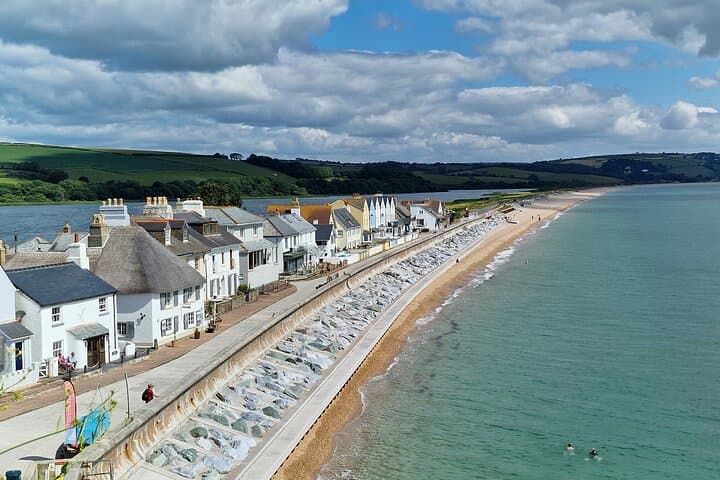
Geology here is plain and honest — a shingle bar that separates Slapton Ley, Britain’s largest freshwater ley, from the open sea, and a shingle beach that can shift with each storm. History surfaces in unexpected places: the Burgh Island Hotel’s 1930s glamour, Dartmouth’s twin gun castles guarding the mouth of the Dart, and the dark memory of Exercise Tiger at Slapton — a wartime rehearsal that cost lives and shaped local memory.
Culture along this stretch is maritime and pragmatic; small fishing villages, naval tradition at Dartmouth’s Britannia Naval College, and communities learning to defend low-lying roads from encroaching tides. The estuary pushes and pulls like an organism, daring you to read its moods.
Practically: expect an 8-hour loop with several short walks, uneven shingle, and roadside stops. Check tide tables before planning causeway walks; bring waterproof layers and stiff-soled shoes for shingle and cliff-top paths. Photography windows change fast — late afternoon light softens the hotel and sharpens the castles across the Dart.
This tour mixes coastal geology, wartime history, and live maritime culture into a single day — good footwear, tide awareness, and a curiosity for small-scale stories will turn it into a memorable stretch of Devon coast.
moderate.
8 hours.
Moderate fitness; able to board the vehicle, climb short inclines, and walk on uneven shingle for up to an hour at a time
Access depends on the tide; the causeway is walkable at low tide, otherwise a sea tractor or viewing from the mainland are the options.
The tour includes short walks on uneven shingle and steps at viewpoints and is not recommended for travelers with serious mobility constraints or spinal issues.
Lunch is not included; there are opportunities to eat in village cafes or bring a picnic if weather permits.
Typical stops are 45–60 minutes at main sights, allowing time for short walks, photography, and a quick snack.
Slapton Sands was the site of Exercise Tiger in 1944, a rehearsal for D-Day that ended in loss of life; Burgh Island's hotel is a locally famous Art Deco landmark tied to 1930s seaside culture.
The shingle bar and Ley are dynamic habitats vulnerable to storm events and sea-level rise; local groups monitor bird populations and support soft-engineering approaches to coastal defense.
DEVON&MOOR walking and driving tours operates guided outdoor trips and adventures with an emphasis on safety, stewardship, and memorable experiences.
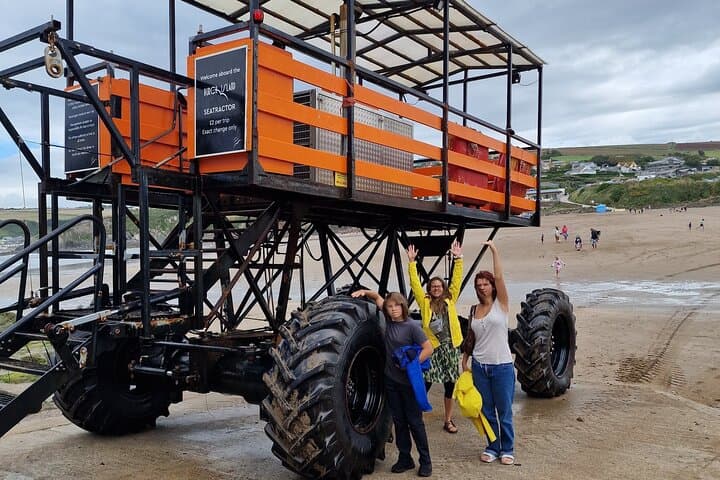
The sea tractor appears like a small machine from another era, ploughing through a slow swell as Burgh Island sits stubbornly off the shore, its Art Deco hotel watching tides slip in and out. You step from the minibus onto a wind-buffed car park where gulls wheel and the causeway becomes a decision: walk if the tide is out, wait if the sea claims the path.
The sea tractor appears like a small machine from another era, ploughing through a slow swell as Burgh Island sits stubbornly off the shore, its Art Deco hotel watching tides slip in and out. You step from the minibus onto a wind-buffed car park where gulls wheel and the causeway becomes a decision: walk if the tide is out, wait if the sea claims the path.
Geology here is plain and honest — a shingle bar that separates Slapton Ley, Britain’s largest freshwater ley, from the open sea, and a shingle beach that can shift with each storm. History surfaces in unexpected places: the Burgh Island Hotel’s 1930s glamour, Dartmouth’s twin gun castles guarding the mouth of the Dart, and the dark memory of Exercise Tiger at Slapton — a wartime rehearsal that cost lives and shaped local memory.
Culture along this stretch is maritime and pragmatic; small fishing villages, naval tradition at Dartmouth’s Britannia Naval College, and communities learning to defend low-lying roads from encroaching tides. The estuary pushes and pulls like an organism, daring you to read its moods.
Practically: expect an 8-hour loop with several short walks, uneven shingle, and roadside stops. Check tide tables before planning causeway walks; bring waterproof layers and stiff-soled shoes for shingle and cliff-top paths. Photography windows change fast — late afternoon light softens the hotel and sharpens the castles across the Dart.
This tour mixes coastal geology, wartime history, and live maritime culture into a single day — good footwear, tide awareness, and a curiosity for small-scale stories will turn it into a memorable stretch of Devon coast.