THE ADVENTURE COLLECTIVE® · Independent discovery and booking for outdoor travel

Swim to the very edge of Victoria Falls in a guided, secure session on Livingstone Island. This short but intense water experience pairs a boat transfer, safety briefing, and an unforgettable swim over basalt rock at the lip of one of the world's largest waterfalls.
Swim to the very edge of Victoria Falls in a guided, secure session on Livingstone Island. This short but intense water experience pairs a boat transfer, safety briefing, and an unforgettable swim over basalt rock at the lip of one of the world's largest waterfalls.
The air on the upper Zambezi tastes like iron and water as the boat eases toward Livingstone Island. Guides move with practiced calm; the river ahead narrows and the roar ahead becomes a physical presence. At the rock lip, a natural pool steadies you—water pressing gently toward the drop, the falls hissing just beyond. You slip in, toes on polished basalt, and the river dares you to look down.
Verified experiences and guided adventures in the surrounding area.
Operated by Amulonga Travel and Tours · Livingstone, Southern Province
The air on the upper Zambezi tastes like iron and water as the boat eases toward Livingstone Island. Guides move with practiced calm; the river ahead narrows and the roar ahead becomes a physical presence. At the rock lip, a natural pool steadies you—water pressing gently toward the drop, the falls hissing just beyond. You slip in, toes on polished basalt, and the river dares you to look down.
Victoria Falls, known locally as Mosi-oa-Tunya — The Smoke That Thunders — was first recorded by European explorer David Livingstone in 1855. Geologically, the gorge is carved through basalt with dramatic free-fall drops where the Zambezi meets a series of hard and fractured lava flows. Culturally the site has long been important to Tonga and Lozi peoples; today tourism supports local guides and conservation efforts across the national park that protects the river corridor.
Practical guidance: the swim is short but demands steady swimming and comfort in moving water; guides brief, rig, and limit group size for safety. Expect a short boat transfer from the Royal Livingstone area, a safety talk, and an escorted swim at the lip during low to mid river levels—high water closes the pool. Wear secure water shoes, leave jewelry behind, and bring only an action camera with a strap or a guide-held camera. Timing matters: mornings often have calmer water and clearer light for photos.
Respect park rules, follow guide instructions, and budget a half-day for transport, briefings, and viewing. The sensation is immediate—water pulling, wind pushing, the falls demanding your attention.
moderate.
3 hours.
Moderate fitness recommended — you should be able to climb in/out of a boat, stand on wet rock, and swim short distances in moving water.
When open, the experience is run by trained guides who limit group size and provide a safety briefing; safety depends on following guides and river conditions.
The pool is typically open during the dry to mid-flow months when river levels are lower—operators close it during the high-water season for safety.
Participants must meet age, weight, and fitness requirements; travelers with certain medical or spinal conditions are advised not to participate.
Most operators include a short boat transfer from the Royal Livingstone/river launch points; allow extra time for park entry and briefings.
David Livingstone brought Victoria Falls to international attention in 1855; the falls are traditionally called Mosi-oa-Tunya by local peoples.
Visitor numbers and river access are regulated to protect fragile riverine habitats; stick to designated paths, avoid single-use plastics, and follow guide instructions to minimize impact.
Amulonga Travel and Tours operates guided outdoor trips and adventures with an emphasis on safety, stewardship, and memorable experiences.
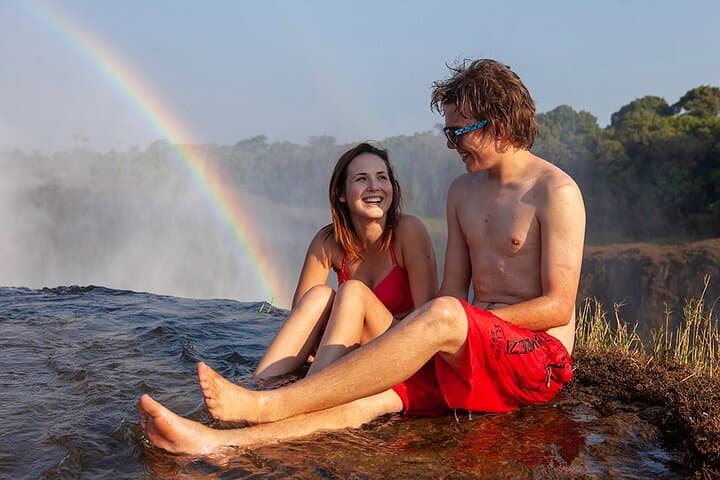
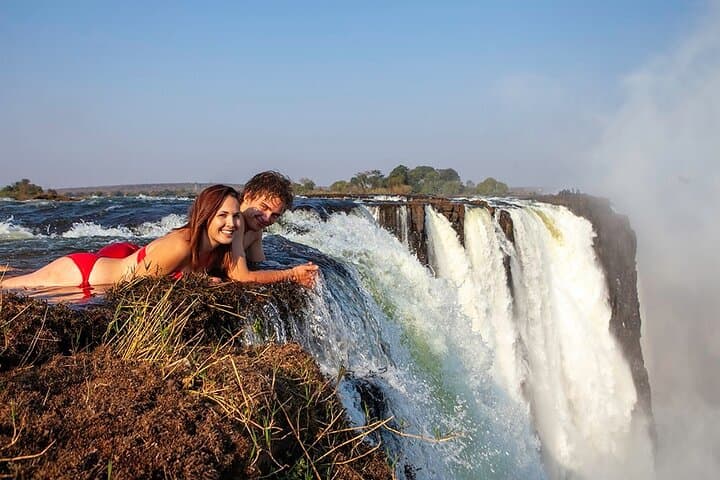
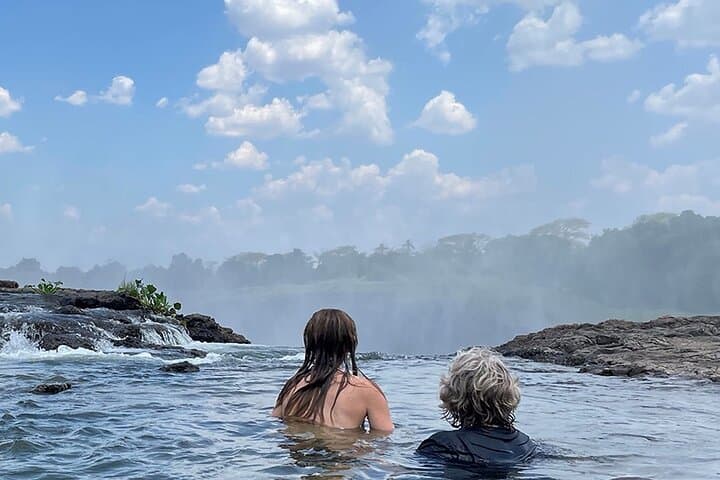
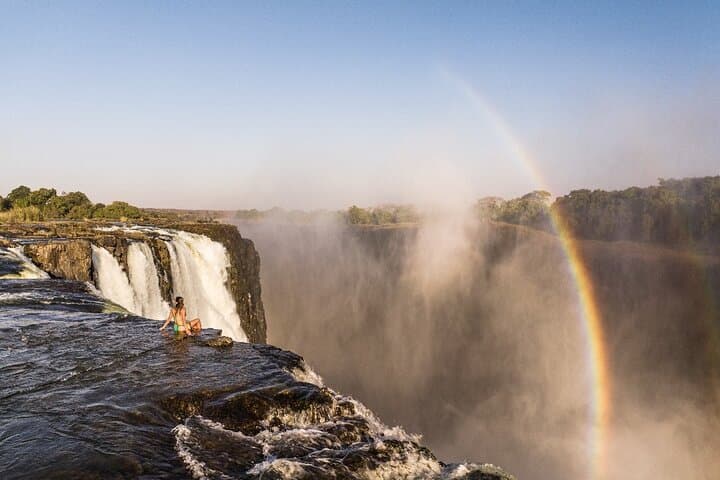
The air on the upper Zambezi tastes like iron and water as the boat eases toward Livingstone Island. Guides move with practiced calm; the river ahead narrows and the roar ahead becomes a physical presence. At the rock lip, a natural pool steadies you—water pressing gently toward the drop, the falls hissing just beyond. You slip in, toes on polished basalt, and the river dares you to look down.
The air on the upper Zambezi tastes like iron and water as the boat eases toward Livingstone Island. Guides move with practiced calm; the river ahead narrows and the roar ahead becomes a physical presence. At the rock lip, a natural pool steadies you—water pressing gently toward the drop, the falls hissing just beyond. You slip in, toes on polished basalt, and the river dares you to look down.
Victoria Falls, known locally as Mosi-oa-Tunya — The Smoke That Thunders — was first recorded by European explorer David Livingstone in 1855. Geologically, the gorge is carved through basalt with dramatic free-fall drops where the Zambezi meets a series of hard and fractured lava flows. Culturally the site has long been important to Tonga and Lozi peoples; today tourism supports local guides and conservation efforts across the national park that protects the river corridor.
Practical guidance: the swim is short but demands steady swimming and comfort in moving water; guides brief, rig, and limit group size for safety. Expect a short boat transfer from the Royal Livingstone area, a safety talk, and an escorted swim at the lip during low to mid river levels—high water closes the pool. Wear secure water shoes, leave jewelry behind, and bring only an action camera with a strap or a guide-held camera. Timing matters: mornings often have calmer water and clearer light for photos.
Respect park rules, follow guide instructions, and budget a half-day for transport, briefings, and viewing. The sensation is immediate—water pulling, wind pushing, the falls demanding your attention.