THE ADVENTURE COLLECTIVE® · Independent discovery and booking for outdoor travel

A full-day small-group tour from Cuenca that pairs the dizzying Devil’s Nose viewpoint and railway with the Inca and Cañari ruins of Ingapirca. Expect scenic drives, short hikes on uneven terrain, and a dense dose of Andean history.
A full-day small-group tour from Cuenca that pairs the dizzying Devil’s Nose viewpoint and railway with the Inca and Cañari ruins of Ingapirca. Expect scenic drives, short hikes on uneven terrain, and a dense dose of Andean history.
You step into highland air that smells of earth and charred firewood as the road rolls away from Cuenca at dawn.
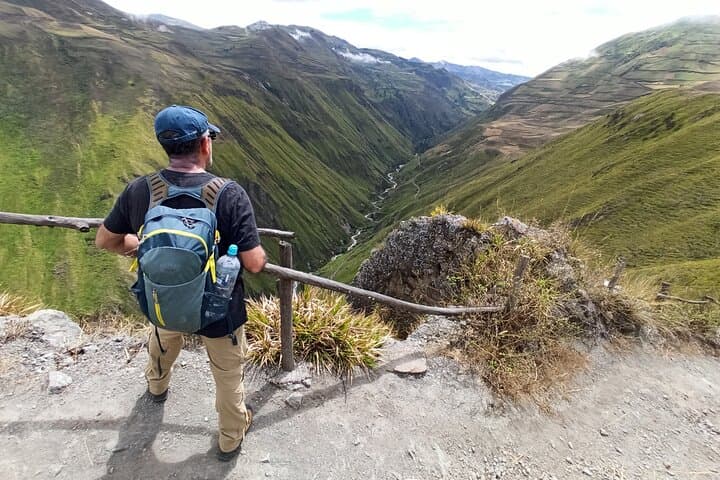
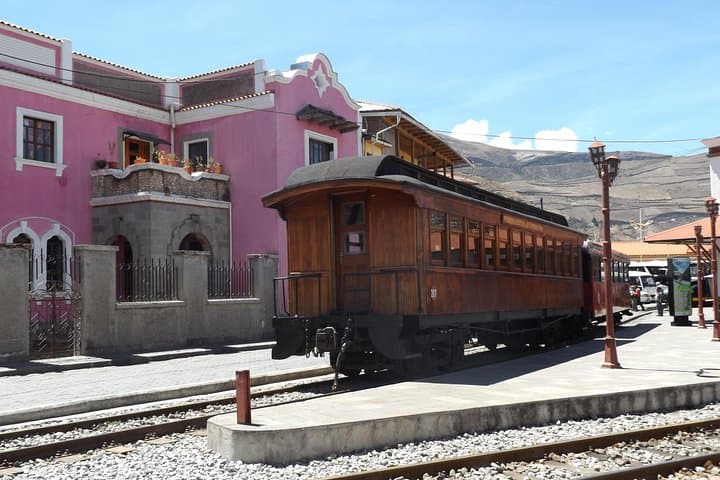
By mid-morning the valley opens: Lluglly plaza, the creak of the old train station, and the terraces that frame Alausí. The Devil’s Nose—an exposed spine of volcanic rock and engineered switchbacks—drops away beneath the viewpoint, daring you to imagine the railway that once carved the slope.
Verified experiences and guided adventures in the surrounding area.
Operated by Polylepis Tours · Cuenca, Azuay
You step into highland air that smells of earth and charred firewood as the road rolls away from Cuenca at dawn.
By mid-morning the valley opens: Lluglly plaza, the creak of the old train station, and the terraces that frame Alausí. The Devil’s Nose—an exposed spine of volcanic rock and engineered switchbacks—drops away beneath the viewpoint, daring you to imagine the railway that once carved the slope.
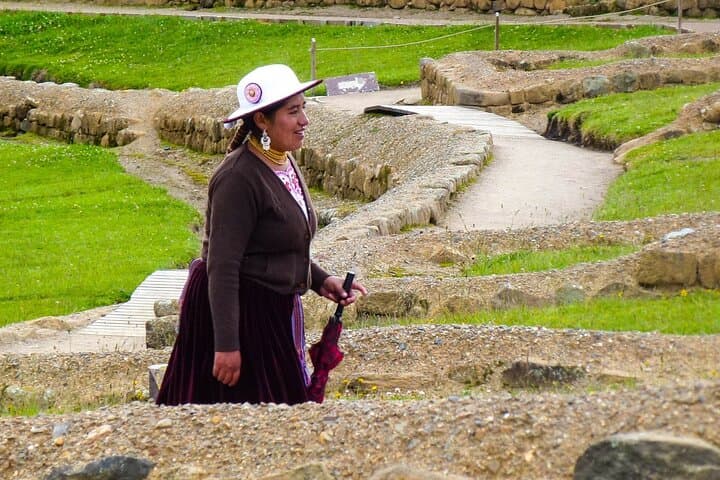
This route threads colonial towns with pre-Columbian sites. Ingapirca, the largest known Inca complex in Ecuador, sits on a limestone ridge shaped by uplift and ancient Andean tectonics; its elliptical Temple of the Sun marks Inca astronomical practice layered atop Cañari foundations. Along the way you’ll pass Puruha and Cañari cultural areas where traditional dress and mountain agriculture remain visible expressions of identity.
Expect a full day: three hours of comfortable road travel each way, short guided walks at viewpoints and a 60–90 minute exploration at Ingapirca. Trails at viewpoints are rocky and can be steep; the Ingapirca complex has stone stairs and uneven surfaces.
Practical edge: bring sun protection and layers for rapid temperature swings, carry water and snacks, and ensure your passport details are on hand for booking. If you’re prone to altitude effects, allow time to acclimatize in Cuenca (2,500 m). Guides handle logistics and local interpretation; the real reward is the layered history—rail engineering meeting Inca stonework—unfolding across the Andes.
moderate.
6 hours.
Moderate fitness; able to handle short hikes, stairs, and standing during guided walks
The transfer is roughly three hours each way by private vehicle, with stops for a short Alausí city tour and viewpoints.
The site involves stone steps and uneven surfaces; families and older travelers can usually visit but should move carefully and may skip steeper sections.
Options with and without lunch are offered; if included, expect a typical Ecuadorian meal—vegetarian options are available with advance notice.
Yes—passport name, number, expiry and country are required at booking and must be carried on the day of travel.
Ingapirca combines Cañari settlement foundations with later Inca construction; the elliptical Temple of the Sun is unique within the Inca world and reflects astronomical use.
Visitor impact is managed by controlled access and guided visits; stick to marked paths, avoid climbing ruins, and support local guides to benefit community stewardship.
Polylepis Tours operates guided outdoor trips and adventures with an emphasis on safety, stewardship, and memorable experiences.

You step into highland air that smells of earth and charred firewood as the road rolls away from Cuenca at dawn.
By mid-morning the valley opens: Lluglly plaza, the creak of the old train station, and the terraces that frame Alausí. The Devil’s Nose—an exposed spine of volcanic rock and engineered switchbacks—drops away beneath the viewpoint, daring you to imagine the railway that once carved the slope.
You step into highland air that smells of earth and charred firewood as the road rolls away from Cuenca at dawn.
By mid-morning the valley opens: Lluglly plaza, the creak of the old train station, and the terraces that frame Alausí. The Devil’s Nose—an exposed spine of volcanic rock and engineered switchbacks—drops away beneath the viewpoint, daring you to imagine the railway that once carved the slope.
This route threads colonial towns with pre-Columbian sites. Ingapirca, the largest known Inca complex in Ecuador, sits on a limestone ridge shaped by uplift and ancient Andean tectonics; its elliptical Temple of the Sun marks Inca astronomical practice layered atop Cañari foundations. Along the way you’ll pass Puruha and Cañari cultural areas where traditional dress and mountain agriculture remain visible expressions of identity.
Expect a full day: three hours of comfortable road travel each way, short guided walks at viewpoints and a 60–90 minute exploration at Ingapirca. Trails at viewpoints are rocky and can be steep; the Ingapirca complex has stone stairs and uneven surfaces.
Practical edge: bring sun protection and layers for rapid temperature swings, carry water and snacks, and ensure your passport details are on hand for booking. If you’re prone to altitude effects, allow time to acclimatize in Cuenca (2,500 m). Guides handle logistics and local interpretation; the real reward is the layered history—rail engineering meeting Inca stonework—unfolding across the Andes.