THE ADVENTURE COLLECTIVE® · Independent discovery and booking for outdoor travel

A full-day private tour that pairs a dramatic hike at the Devil’s Nose railway with a guided visit to Ingapirca, Ecuador’s largest Inca site. Expect panoramic Andean views, optional dirt-road biking, and insight into historic engineering and pre-Columbian stonework.
A full-day private tour that pairs a dramatic hike at the Devil’s Nose railway with a guided visit to Ingapirca, Ecuador’s largest Inca site. Expect panoramic Andean views, optional dirt-road biking, and insight into historic engineering and pre-Columbian stonework.
A thin wind runs down the Andes ridge as the group steps out of the van toward the zig-zag cut through the rock known locally as Devil’s Nose. Under a wide sky the old railway line angles sharply into the valley; the trail climbs to a viewpoint where the rails still trace the engineering trick that once connected coastal Guayaquil to the highland corridor. The landscape feels deliberate — terraces, switchbacks, and stone scars that map human ambition against steep slopes.
Verified experiences and guided adventures in the surrounding area.
Operated by Cuenca Bestours Tour Operator · Alausi, Chimborazo Province
A thin wind runs down the Andes ridge as the group steps out of the van toward the zig-zag cut through the rock known locally as Devil’s Nose. Under a wide sky the old railway line angles sharply into the valley; the trail climbs to a viewpoint where the rails still trace the engineering trick that once connected coastal Guayaquil to the highland corridor. The landscape feels deliberate — terraces, switchbacks, and stone scars that map human ambition against steep slopes.
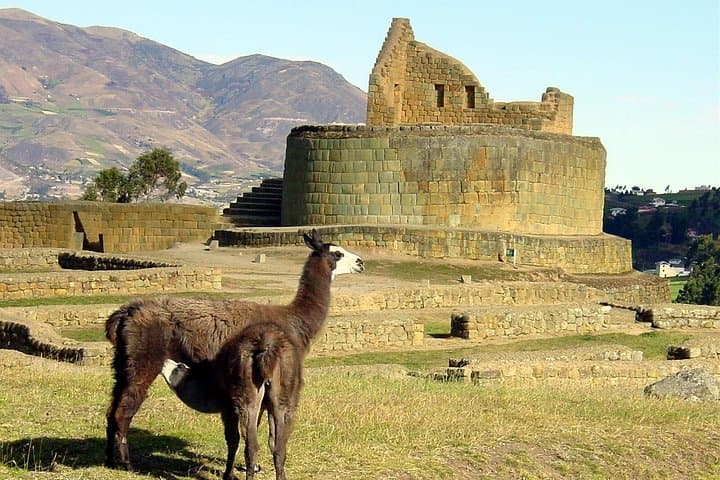
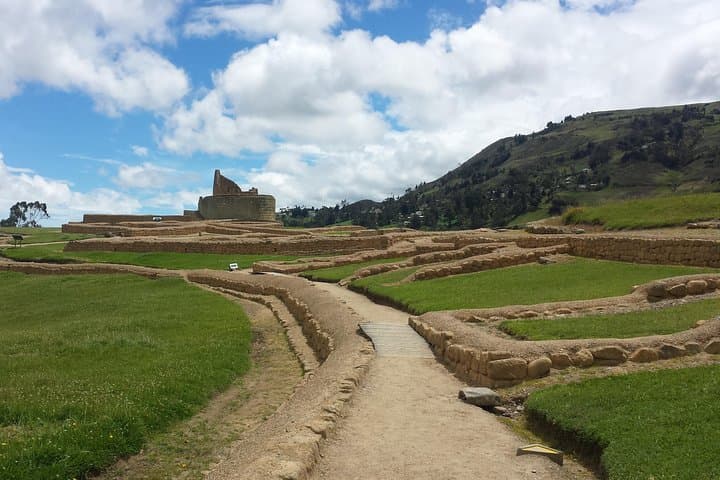
Geology here is visible: layered volcaniclastic rock, steep ravines carved by seasonal runoff, and alluvial fans below. The Devil’s Nose railway, finished in the late 19th century, was an audacious solution to linking the coast and highlands; later the route became as legendary as the Inca masonry found at Ingapirca, where an elliptical Sun Temple and fitted stonework reveal Inca and Cañari craft and ceremony.
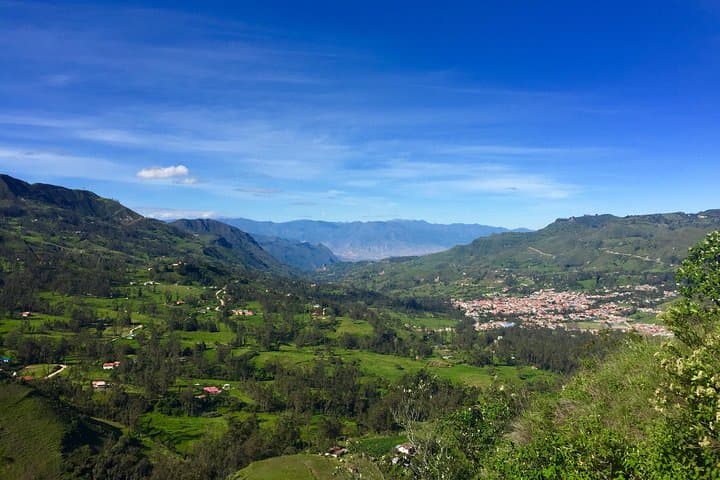
Culturally, the route threads small Andean communities where Quechua traditions and modern farming coexist; local projects often offer insights into daily life and crafts. Visitors will combine a moderate hike with optional dirt-road biking toward the Sibambe station, then continue to Ingapirca for guided exploration of courtyards and terraces.
Practical guidance: plan for a full day (9–11 hours), start early to avoid afternoon showers, and bring sun protection, layered clothing and ample water. Trails can be uneven and muddy after rain; stick to marked paths at Ingapirca to protect fragile stonework. With a bilingual guide and private transport, the tour pairs landscape drama with clear logistics — expect steady walking, panoramic viewpoints, and hands-on history on a single, demanding day.
moderate.
9–11 hours.
Good aerobic fitness for a full-day with sustained walking, some steep sections and short climbs
The tour runs about 9–11 hours, typically leaving early from Cuenca, visiting Devil’s Nose for hiking/biking, then continuing to Ingapirca before returning late afternoon.
The tour emphasizes hiking and an optional downhill bike to Sibambe station; a heritage train ride is sometimes available but not guaranteed — confirm when booking.
Children can join but the full-day format and uneven trails make it less suitable for those with limited mobility; infants should be on laps in the vehicle.
Hotel pickup/drop-off and transport by private vehicle are included; lunch is included only with the all-inclusive option — check your booking choice.
The Devil’s Nose railway, completed in 1899, solved a dramatic elevation problem with switchbacks; Ingapirca combines Inca construction with earlier Cañari foundations and served ceremonial and administrative functions.
Visitors should stay on trails at Ingapirca and avoid removing artifacts; support local guides and community projects that promote sustainable tourism.
Cuenca Bestours Tour Operator operates guided outdoor trips and adventures with an emphasis on safety, stewardship, and memorable experiences.
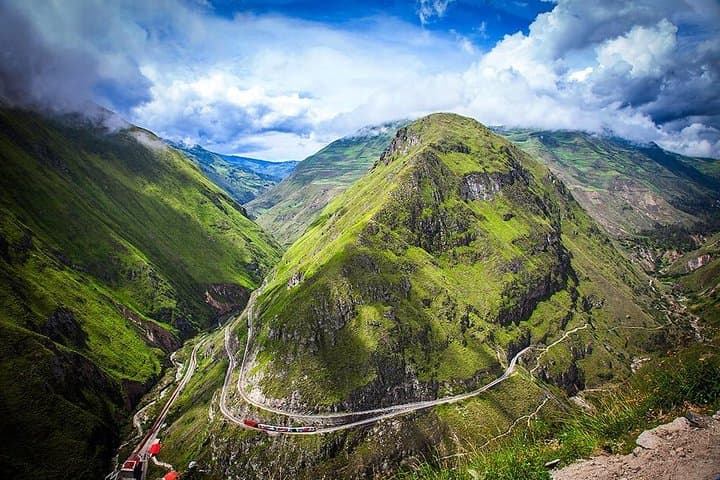
A thin wind runs down the Andes ridge as the group steps out of the van toward the zig-zag cut through the rock known locally as Devil’s Nose. Under a wide sky the old railway line angles sharply into the valley; the trail climbs to a viewpoint where the rails still trace the engineering trick that once connected coastal Guayaquil to the highland corridor. The landscape feels deliberate — terraces, switchbacks, and stone scars that map human ambition against steep slopes.
A thin wind runs down the Andes ridge as the group steps out of the van toward the zig-zag cut through the rock known locally as Devil’s Nose. Under a wide sky the old railway line angles sharply into the valley; the trail climbs to a viewpoint where the rails still trace the engineering trick that once connected coastal Guayaquil to the highland corridor. The landscape feels deliberate — terraces, switchbacks, and stone scars that map human ambition against steep slopes.
Geology here is visible: layered volcaniclastic rock, steep ravines carved by seasonal runoff, and alluvial fans below. The Devil’s Nose railway, finished in the late 19th century, was an audacious solution to linking the coast and highlands; later the route became as legendary as the Inca masonry found at Ingapirca, where an elliptical Sun Temple and fitted stonework reveal Inca and Cañari craft and ceremony.
Culturally, the route threads small Andean communities where Quechua traditions and modern farming coexist; local projects often offer insights into daily life and crafts. Visitors will combine a moderate hike with optional dirt-road biking toward the Sibambe station, then continue to Ingapirca for guided exploration of courtyards and terraces.
Practical guidance: plan for a full day (9–11 hours), start early to avoid afternoon showers, and bring sun protection, layered clothing and ample water. Trails can be uneven and muddy after rain; stick to marked paths at Ingapirca to protect fragile stonework. With a bilingual guide and private transport, the tour pairs landscape drama with clear logistics — expect steady walking, panoramic viewpoints, and hands-on history on a single, demanding day.