THE ADVENTURE COLLECTIVE® · Independent discovery and booking for outdoor travel

Dance into the new year on Ghana’s Atlantic shore with Detty December’s AfroFuture nights, rainforest canopy walks, cocoa workshops, and a relaxed safari. This hosted nine-day trip blends party, culture, and wildlife with practical logistics and local insight.
Dance into the new year on Ghana’s Atlantic shore with Detty December’s AfroFuture nights, rainforest canopy walks, cocoa workshops, and a relaxed safari. This hosted nine-day trip blends party, culture, and wildlife with practical logistics and local insight.
You step off the plane into Ghana’s humid night and the city embraces you with a warm, rhythmic pulse: the TV screens blink Afrobeats, the airport staff clap a welcome, and the transfer to La Palm slides past palms leaning toward the Atlantic like spectators at a parade.
Verified experiences and guided adventures in the surrounding area.
Operated by True Culture · Accra, Greater Accra Region
You step off the plane into Ghana’s humid night and the city embraces you with a warm, rhythmic pulse: the TV screens blink Afrobeats, the airport staff clap a welcome, and the transfer to La Palm slides past palms leaning toward the Atlantic like spectators at a parade.
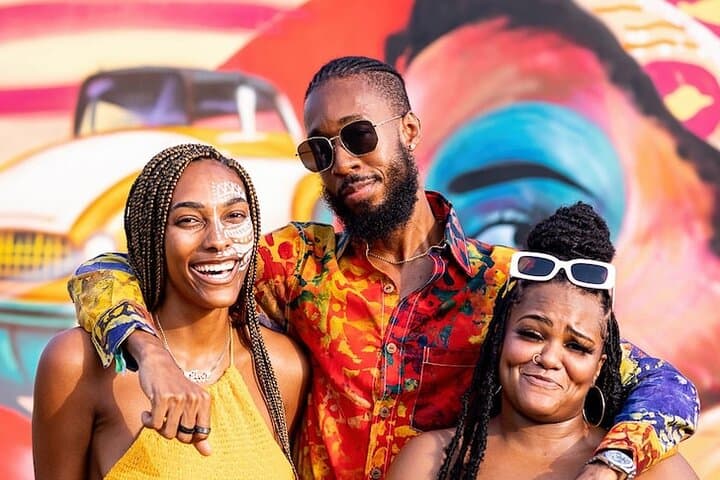
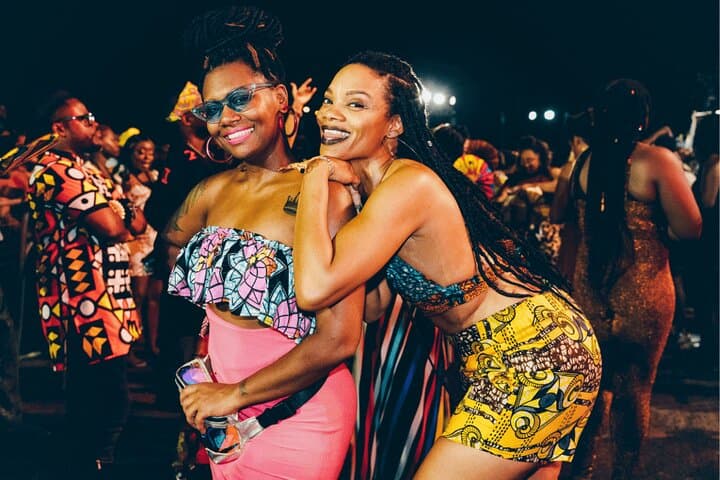
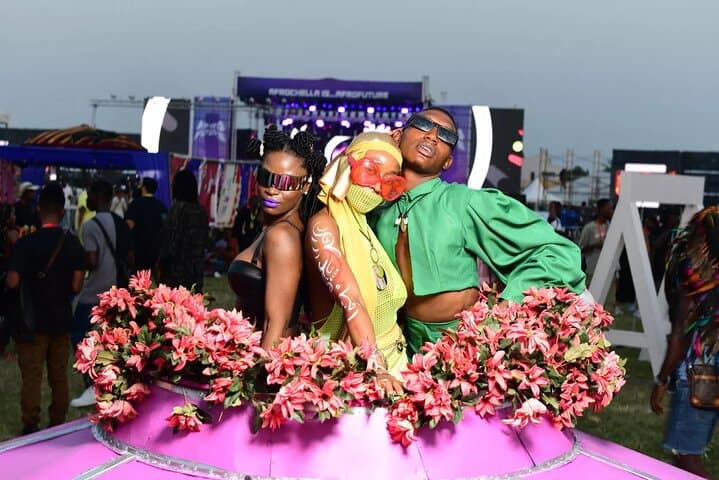
By day this hosted nine-day loop moves between city and coast—Aburi’s cool botanical alleys, the spray and murals of Jamestown, the suspended hush of Kakum’s canopy walk, and the heavy history of Cape Coast Castle. By night it becomes something else: AfroFuture’s charged lights and DJs, Polo Beach Club’s midnight fireworks, and small, mutual rituals—late dinners at buka spots, a poolside cooldown, the shared grin after a ride on a zipline above the treetops.
Ghana’s geography is straightforward: an Atlantic coastal plain that gives way inland to the evergreen rainforest of the Central Region. The canopy at Kakum is not decoration but infrastructure—walkways strung through centuries-old trees that hold the forest together and push the horizon down to a green ocean. Cape Coast Castle asks for a quieter kind of attention; its walls keep the memory of migration and trade close and urgent. Nearby, Crown Forest Safari turns conservation into encounter—giraffes nibble acacia while zebras eye the road like curious neighbors.
Culture here is tactile. Food is a map—jollof’s smoke, waakye’s comfort, the sharp sweetness of fresh mango—while art in Accra’s galleries pushes modern identity against colonial architecture. Locals celebrate loudly and practically: markets, music, and ceremonies that welcome strangers with a cup of palm wine or a story.
Practical ground rules: December is peak Detty December season—book flights and festival tickets early. Days are hot and humid; mornings can carry harmonic dust off the Sahel (harmattan), which cools the air and makes sunrise a thin, bruised light. Pack breathable layers for daytime humidity and a light wind layer for cooler evenings. Comfortable, closed-toe shoes are non-negotiable for Kakum and Cape Coast; a daypack for water and sunscreen will make the festival stretches easier.
Health and safety are simple: drink bottled water, use insect repellent before dusk, and carry a copy of your passport and an emergency contact. Tipping is expected for guides and drivers; carry small cedi notes for market purchases. Lastly, bring curiosity and patience: traffic, bargaining, and festival lines are as much part of the trip as the fireworks. Leave space in your itinerary to slow down—the best moments often happen between scheduled stops: a roadside palm wine, a mural that redirects your route, or a herd of antelope crossing the road like punctuation.
moderate.
9 days.
Expect light-to-moderate activity—short hikes, canopy bridges, walking tours, and late-night festival standing; be comfortable on your feet for multiple hours.
Yes—AfroFuture festival admission for scheduled nights is included in the tour package; optional VIP upgrades or table packages are available directly through the event and should be arranged in advance.
Visa requirements depend on nationality. The operator offers visa assistance, but secure your visa or confirm exemption well before travel—carry printed documents for arrival processing.
Families can join—transport and many sites are stroller and wheelchair accessible, but note the late-night festival events and physical elements like the canopy walk may not be suitable for very young children.
Cash (Ghana cedi) is preferred for markets and small vendors; larger hotels and some restaurants accept cards. Carry small notes for tips and transport.
Sightings are not guaranteed—wild animals are unpredictable—but the park has regular sightings of giraffes, zebras, and antelopes on relaxed game drives.
Check with your health provider for recommended vaccinations; malaria prophylaxis is commonly advised. Bring a basic first-aid kit and any personal medications.
The itinerary threads modern Accra with heavy history—Cape Coast Castle is a pivotal site in the transatlantic slave trade and the Kwame Nkrumah Museum marks Ghana’s independence legacy.
Kakum National Park and nearby reserves work to protect coastal rainforest corridors—participants are urged to stay on trails, avoid feeding wildlife, and limit single-use plastics.
True Culture operates guided outdoor trips and adventures with an emphasis on safety, stewardship, and memorable experiences.

You step off the plane into Ghana’s humid night and the city embraces you with a warm, rhythmic pulse: the TV screens blink Afrobeats, the airport staff clap a welcome, and the transfer to La Palm slides past palms leaning toward the Atlantic like spectators at a parade.
You step off the plane into Ghana’s humid night and the city embraces you with a warm, rhythmic pulse: the TV screens blink Afrobeats, the airport staff clap a welcome, and the transfer to La Palm slides past palms leaning toward the Atlantic like spectators at a parade.
By day this hosted nine-day loop moves between city and coast—Aburi’s cool botanical alleys, the spray and murals of Jamestown, the suspended hush of Kakum’s canopy walk, and the heavy history of Cape Coast Castle. By night it becomes something else: AfroFuture’s charged lights and DJs, Polo Beach Club’s midnight fireworks, and small, mutual rituals—late dinners at buka spots, a poolside cooldown, the shared grin after a ride on a zipline above the treetops.
Ghana’s geography is straightforward: an Atlantic coastal plain that gives way inland to the evergreen rainforest of the Central Region. The canopy at Kakum is not decoration but infrastructure—walkways strung through centuries-old trees that hold the forest together and push the horizon down to a green ocean. Cape Coast Castle asks for a quieter kind of attention; its walls keep the memory of migration and trade close and urgent. Nearby, Crown Forest Safari turns conservation into encounter—giraffes nibble acacia while zebras eye the road like curious neighbors.
Culture here is tactile. Food is a map—jollof’s smoke, waakye’s comfort, the sharp sweetness of fresh mango—while art in Accra’s galleries pushes modern identity against colonial architecture. Locals celebrate loudly and practically: markets, music, and ceremonies that welcome strangers with a cup of palm wine or a story.
Practical ground rules: December is peak Detty December season—book flights and festival tickets early. Days are hot and humid; mornings can carry harmonic dust off the Sahel (harmattan), which cools the air and makes sunrise a thin, bruised light. Pack breathable layers for daytime humidity and a light wind layer for cooler evenings. Comfortable, closed-toe shoes are non-negotiable for Kakum and Cape Coast; a daypack for water and sunscreen will make the festival stretches easier.
Health and safety are simple: drink bottled water, use insect repellent before dusk, and carry a copy of your passport and an emergency contact. Tipping is expected for guides and drivers; carry small cedi notes for market purchases. Lastly, bring curiosity and patience: traffic, bargaining, and festival lines are as much part of the trip as the fireworks. Leave space in your itinerary to slow down—the best moments often happen between scheduled stops: a roadside palm wine, a mural that redirects your route, or a herd of antelope crossing the road like punctuation.