THE ADVENTURE COLLECTIVE® · Independent discovery and booking for outdoor travel

Spend eight days between Accra, the Kakum canopy, Cape Coast and Elmina—where coastal winds and deep history meet contemporary Afrofuture celebration. This private tour blends guided history, forest canopy walks, a waterfall massage, and cultural nights into a practical, immersive itinerary.
Spend eight days between Accra, the Kakum canopy, Cape Coast and Elmina—where coastal winds and deep history meet contemporary Afrofuture celebration. This private tour blends guided history, forest canopy walks, a waterfall massage, and cultural nights into a practical, immersive itinerary.
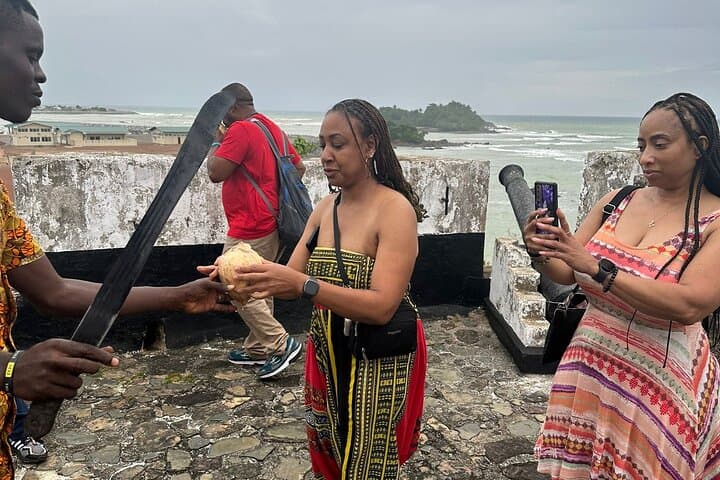
The air in Accra on a December morning has a dry clarity—harmattan light softening the coast and the hum of minibuses pulling away from Kotoka International. On this eight‑day loop you move from city streets and markets into the lowland rainforest and the Atlantic shore: Independence Square and W.E.B. DuBois Centre first, then the heavy stone of Cape Coast and Elmina castles where ocean winds seem to wash stories off the ramparts.
Verified experiences and guided adventures in the surrounding area.
Operated by BACK AFRICA TOURS · Accra, Greater Accra Region
The air in Accra on a December morning has a dry clarity—harmattan light softening the coast and the hum of minibuses pulling away from Kotoka International. On this eight‑day loop you move from city streets and markets into the lowland rainforest and the Atlantic shore: Independence Square and W.E.B. DuBois Centre first, then the heavy stone of Cape Coast and Elmina castles where ocean winds seem to wash stories off the ramparts.
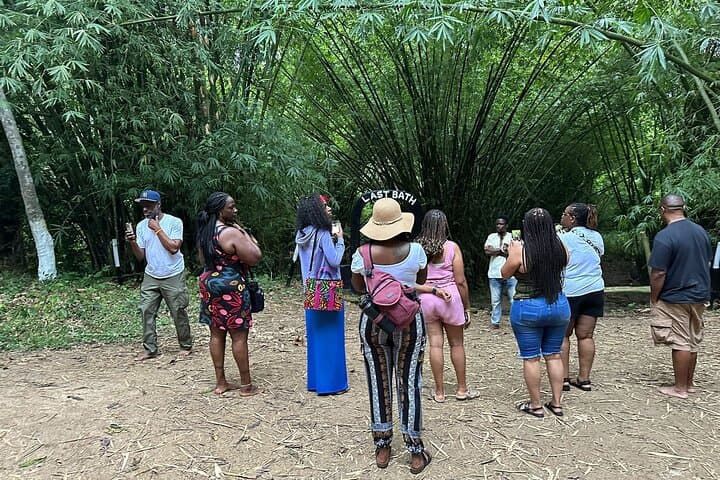
Geology here is straightforward—coastal plains shifting into lateritic soils and the verdant canopy of Kakum National Park, where the canopy walk is suspended 30 meters above a forest that shelters Diana monkeys and hundreds of bird species. Culturally the trip centers on Ghana’s living history: Ga and Fante communities, Afro‑Brazilian architecture in Jamestown, and the contemporary Afrofuture scene that mixes fashion, music, and performance with ancestral memory.
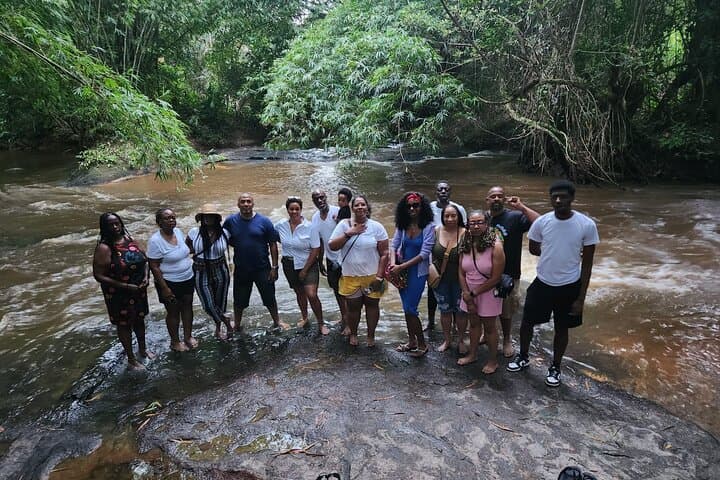
Expect close encounters with history at slave rivers and dungeons, a practical wellness pause under a waterfall where cold water presses like a living massage, and coastal days that end on beaches used by fishermen for generations. Logistics are straightforward: private transfers, short hikes on maintained trails, and museum and castle access. Pack for humidity and sun, bring sturdy shoes for wet forest floors and uneven castle steps, and allow morning light for photography.
Travelers should budget for modest tipping, be ready for cultural exchange with fishing villages, and respect memorial sites. The pace balances education and relaxation—this is a cultural immersion with enough outdoor time to feel the landscape as well as learn its history.
moderate.
8 days.
Light to moderate fitness—able to walk 1–3 miles per day, climb stairs and handle periods of standing during museum and castle visits.
Yes—activities are family‑friendly with short walks, museum visits, and beach time; infant seats and stroller access are available for transfers.
The canopy walk involves modest elevation and suspended bridges—no technical skill required, but you should be comfortable with heights and walking on narrow planks.
Carry Ghanaian cedi for markets and village purchases; major hotels and some vendors accept cards but signal may be limited outside Accra.
Yes—guides provide age‑appropriate context, but visitors should prepare children for solemn subject matter and supervise near steep drops and stairs.
Cape Coast and Elmina castles were major hubs of the transatlantic slave trade from the 15th century onward; their dungeons and ramparts are central to Ghana’s public memory and Emancipation commemorations.
Kakum National Park is managed to protect forest habitat and birdlife; visitors should stay on trails to limit erosion and avoid feeding wildlife.
BACK AFRICA TOURS operates guided outdoor trips and adventures with an emphasis on safety, stewardship, and memorable experiences.

The air in Accra on a December morning has a dry clarity—harmattan light softening the coast and the hum of minibuses pulling away from Kotoka International. On this eight‑day loop you move from city streets and markets into the lowland rainforest and the Atlantic shore: Independence Square and W.E.B. DuBois Centre first, then the heavy stone of Cape Coast and Elmina castles where ocean winds seem to wash stories off the ramparts.
The air in Accra on a December morning has a dry clarity—harmattan light softening the coast and the hum of minibuses pulling away from Kotoka International. On this eight‑day loop you move from city streets and markets into the lowland rainforest and the Atlantic shore: Independence Square and W.E.B. DuBois Centre first, then the heavy stone of Cape Coast and Elmina castles where ocean winds seem to wash stories off the ramparts.
Geology here is straightforward—coastal plains shifting into lateritic soils and the verdant canopy of Kakum National Park, where the canopy walk is suspended 30 meters above a forest that shelters Diana monkeys and hundreds of bird species. Culturally the trip centers on Ghana’s living history: Ga and Fante communities, Afro‑Brazilian architecture in Jamestown, and the contemporary Afrofuture scene that mixes fashion, music, and performance with ancestral memory.
Expect close encounters with history at slave rivers and dungeons, a practical wellness pause under a waterfall where cold water presses like a living massage, and coastal days that end on beaches used by fishermen for generations. Logistics are straightforward: private transfers, short hikes on maintained trails, and museum and castle access. Pack for humidity and sun, bring sturdy shoes for wet forest floors and uneven castle steps, and allow morning light for photography.
Travelers should budget for modest tipping, be ready for cultural exchange with fishing villages, and respect memorial sites. The pace balances education and relaxation—this is a cultural immersion with enough outdoor time to feel the landscape as well as learn its history.